
Five years after El Salvador’s historic decision to adopt Bitcoin as legal tender, the nation’s experiment remains a polarizing focal point for global economic policy and digital asset adoption. On June 9, 2021, the Legislative Assembly of El Salvador passed the Bitcoin Law, making the country the first in the world to grant the cryptocurrency status equal to the U.S. dollar, a move that officially took effect on September 7, 2021, according to the Legislative Assembly of El Salvador. For President Nayib Bukele, the policy was a bold bid to boost financial inclusion and attract foreign investment; for international observers, it has become a complex case study in the volatility of decentralized finance within a sovereign state.
The “Bitcoin experiment,” as it is frequently dubbed, was marketed by the Bukele administration as a mechanism to reduce transaction costs for remittances—which represent a significant portion of El Salvador’s GDP—and to bring the unbanked population into the formal financial system. However, the implementation has faced substantial headwinds. The International Monetary Fund (IMF), which has consistently urged the government to roll back the law, noted in its 2024 consultation that the risks associated with Bitcoin, including financial stability and consumer protection, remain significant, even as the country has seen some economic growth in other sectors (IMF Staff Report, August 2024).
The Economic Reality of Sovereign Bitcoin Adoption
At the heart of the debate is the government’s dual role as a regulator and a market participant. The administration established the Chivo Wallet, a state-sponsored digital application, to facilitate transactions. While the government has not published granular, real-time data on the total volume of Bitcoin transactions within the country, independent surveys—such as those conducted by the Central American University (UCA)—have frequently shown that a majority of Salvadorans continue to prefer cash for daily transactions. The UCA’s 2023 public opinion surveys indicated that usage among the general populace remained low, suggesting a disconnect between the government’s high-tech vision and the daily habits of its citizens.
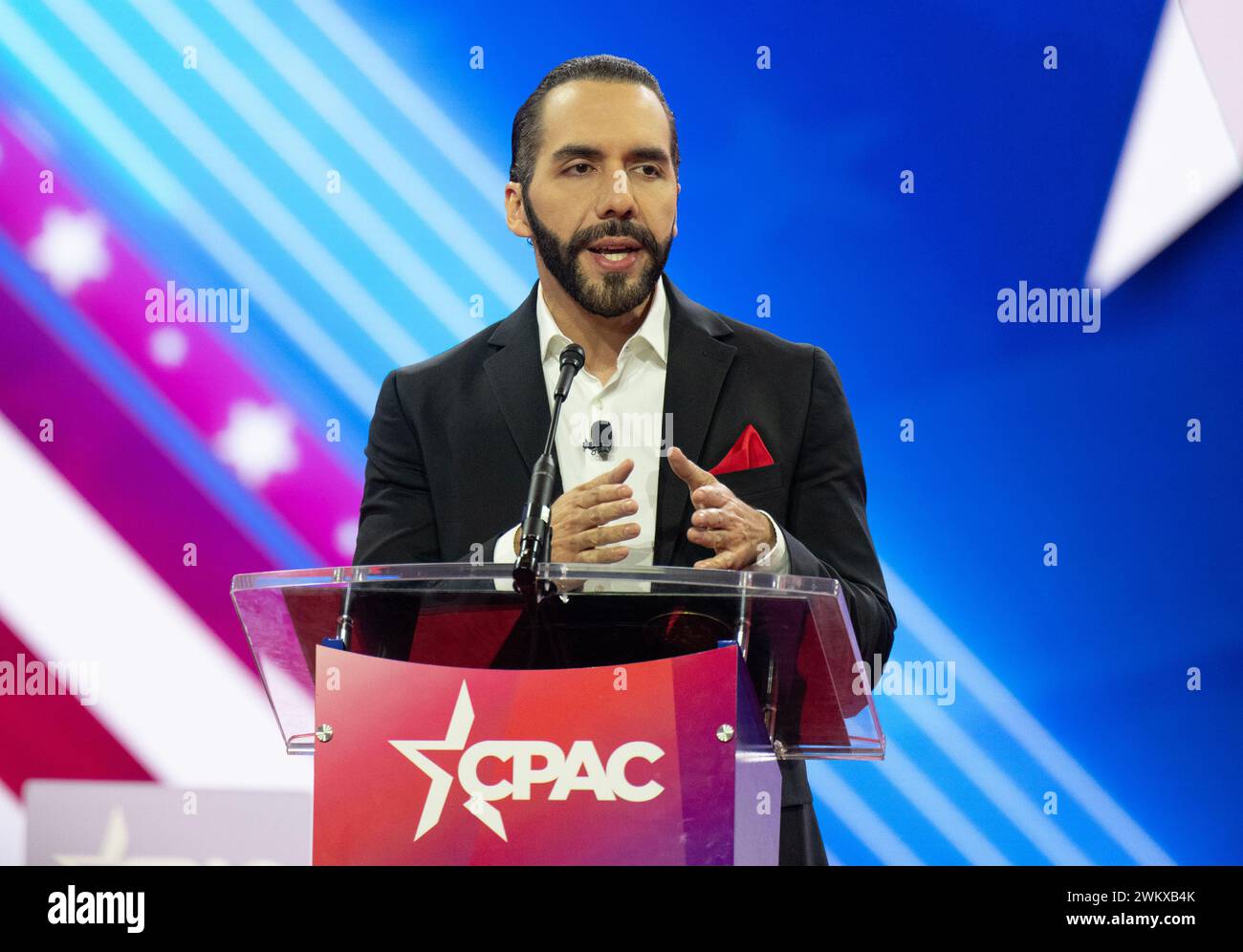
The government’s balance sheet is equally opaque. While President Bukele has frequently announced “buy the dip” strategies on social media, the exact quantity of Bitcoin held in the national treasury is not subject to a public, audited ledger accessible to international observers. According to the Bloomberg Billionaires Index and associated tracking tools, the government’s holdings have fluctuated significantly in line with market prices, turning from paper losses during the 2022 crypto winter to substantial gains as Bitcoin prices surged in 2024. This volatility serves as a double-edged sword: it offers the potential for high returns but introduces an unprecedented level of risk to a nation’s sovereign balance sheet.
Infrastructure and the Energy Question
Beyond currency adoption, the government has focused on integrating Bitcoin into the national energy infrastructure. The “LaGeo” geothermal power plant, located near the Tecapa volcano, has been repurposed to power Bitcoin mining rigs. This initiative, often referred to as “Volcano Mining,” is intended to provide a low-cost, sustainable energy source for the energy-intensive process of securing the Bitcoin network. As reported by the Reuters investigative team, the project represents an attempt to leverage the country’s natural resources to create a self-sustaining digital economy, though the scale of these operations remains small compared to global mining hubs.
The environmental impact of this pivot continues to be a subject of academic and policy debate. While the government touts the use of geothermal energy as a green alternative to fossil-fuel-based mining, critics argue that the energy could be better utilized for industrial development or improving the national grid’s stability for residential users. The lack of detailed, independent environmental impact reports regarding the specific electricity allocation for Bitcoin mining leaves stakeholders with few verified metrics to assess the true cost-benefit ratio of these operations.
Institutional Friction and Future Outlook
The relationship between El Salvador and major financial institutions remains strained. The IMF has repeatedly advised the government to limit the scope of the Bitcoin Law, citing the lack of transparency in the government’s Bitcoin-related operations and the potential for money laundering. In contrast, the Salvadoran government maintains that its policies are a matter of national sovereignty. The World Bank declined an initial request for technical assistance in implementing the Bitcoin Law in 2021, citing environmental and transparency concerns, a stance that has largely defined the international community’s engagement with the country’s digital finance strategy.
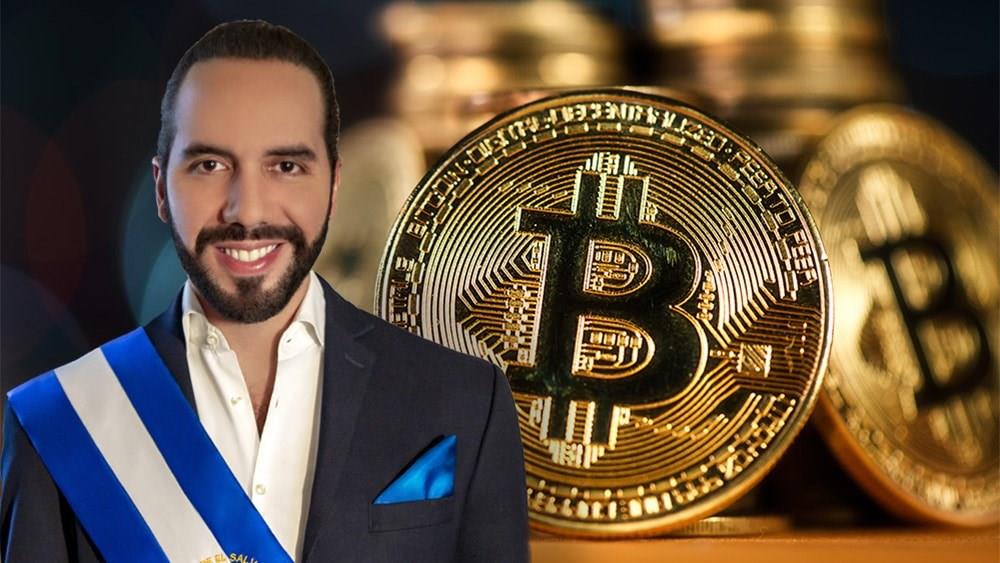
Looking ahead, the focus shifts to the long-term sustainability of the policy. The government is currently exploring the issuance of “Volcano Bonds”—a blockchain-based sovereign debt instrument intended to finance both the mining infrastructure and the construction of “Bitcoin City,” a tax-free haven for crypto-enthusiasts. As of late 2024, the status of these bonds remains largely in the planning and regulatory development phase. Investors and citizens alike await further filings from the National Digital Assets Commission, the local regulatory body tasked with overseeing the issuance of digital securities (Comisión Nacional de Activos Digitales official portal).
Ultimately, whether the Bitcoin experiment has “worked” depends entirely on the metrics one chooses to prioritize. If the goal was global attention, brand recognition for the nation, and a pivot toward a new asset class, the policy has been remarkably successful. If the goal was widespread domestic adoption, financial inclusion for the unbanked, and the creation of a stable, transparent fiscal framework, the evidence suggests a much longer road ahead. For now, El Salvador remains the world’s most prominent laboratory for a digital currency experiment that continues to evolve, one market cycle at a time.
The next major checkpoint for this policy will likely arrive with the next Article IV consultation review by the IMF, which will provide a fresh assessment of the country’s fiscal health and the risks posed by its digital asset exposure. We welcome your thoughts on the impact of this policy—please share your perspectives in the comments section below.
Worth a look