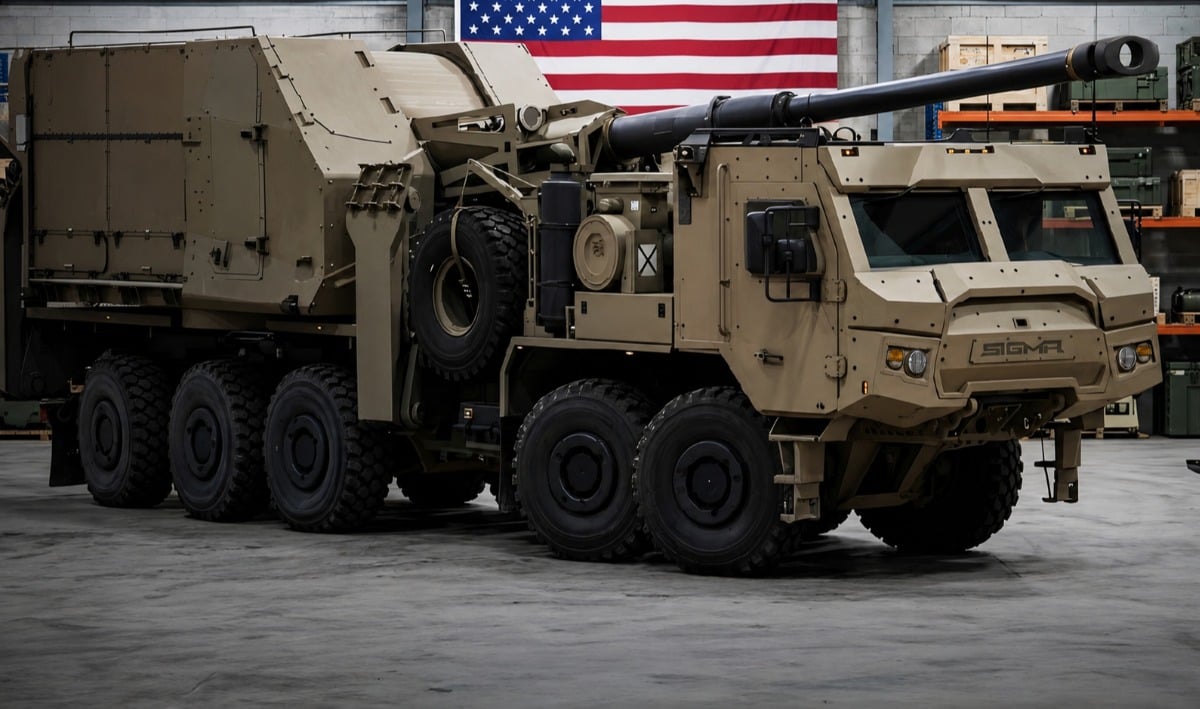
In a move that signals a significant shift in the landscape of American ground combat modernization, two prominent defense industry players have announced a strategic partnership. Anduril Industries, the Silicon Valley-based technology firm known for its focus on software-defined defense capabilities, has teamed up with Elbit Systems of America to compete for a major U.S. Army artillery program. This collaboration marks an intriguing convergence of traditional heavy-duty ballistics and modern, autonomous-ready software architecture.
The joint effort centers on the U.S. Army’s pursuit of the XM1299 Extended Range Cannon Artillery (ERCA), an ambitious effort to significantly increase the lethality and range of mobile field artillery. While the program has faced technical hurdles in recent years—leading the Army to cancel the prototype phase of the ERCA project in March 2024—the military’s underlying need for advanced, long-range precision fires remains a top modernization priority. By combining Elbit’s established expertise in cannon and fire-control systems with Anduril’s prowess in open-systems architecture and autonomous mission software, the partnership aims to provide a competitive solution for the Army’s evolving requirements.
Bridging the Gap: Silicon Valley and Heavy Ordnance
For observers of the defense sector, this teaming agreement represents more than just a business arrangement. it highlights the increasing pressure on legacy defense primes to integrate agile, software-first methodologies. Anduril Industries has rapidly ascended in the defense space by prioritizing modular, AI-enabled systems, often challenging the traditional “prime” model of defense contracting. By partnering with Elbit Systems of America—a subsidiary of the Israeli-based Elbit Systems Ltd.—Anduril gains immediate access to a deep reservoir of combat-proven artillery technology.

Elbit Systems of America has long been a trusted partner to the U.S. Department of Defense, providing everything from helmet-mounted displays for F-35 pilots to sophisticated fire-control systems for ground vehicles. The integration of Anduril’s “Lattice” operating system or similar software frameworks into a heavy-artillery platform could theoretically allow for faster targeting cycles, improved sensor-to-shooter connectivity, and easier upgrades over the lifespan of the weapon system. As the U.S. Military pivots toward Multi-Domain Operations (MDO), the ability to rapidly share data across diverse platforms is becoming as important as the range of the cannon itself.
The Strategic Context of Army Modernization
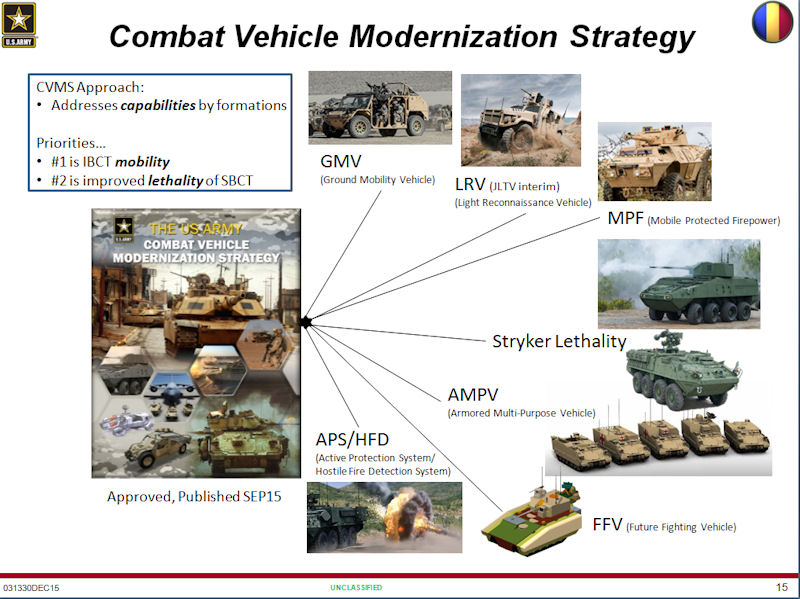
The U.S. Army’s modernization strategy, overseen by the Army Futures Command, is heavily focused on out-ranging potential adversaries in complex, contested environments. The cancellation of the ERCA prototype was not an abandonment of the mission, but rather a pivot necessitated by persistent technical challenges with the cannon’s barrel life and integration stability. Army officials have since indicated that they are re-evaluating the path forward for long-range precision fires, keeping the door open for industry partners to propose innovative, cost-effective alternatives.

For Anduril and Elbit, the challenge is twofold: they must prove that they can deliver the physical performance requirements—such as the ability to strike targets at distances exceeding 70 kilometers—while simultaneously demonstrating that their software integration provides a decisive tactical advantage. This approach aligns with the Pentagon’s broader push for “disaggregated” and “resilient” architectures, which seek to avoid the pitfalls of monolithic, closed-system platforms that become obsolete as soon as they are fielded.
Key Takeaways: What This Means for Global Defense
As we monitor the development of this partnership, several factors are worth considering for those following the evolution of global security:
- Software-Hardware Synergy: This partnership underscores the industry trend of marrying “hard” kinetic power with “soft” digital intelligence, a requirement for modern warfare.
- Competition Drives Innovation: The Army’s decision to pivot away from the initial ERCA prototype has effectively cleared the field for new, potentially more modular solutions from industry teams.
- The “Anduril Effect”: By entering the heavy artillery space, Anduril continues to signal its intent to compete across every domain, from undersea drones to long-range ground fires.
- Global Supply Chain Resilience: The integration of international expertise (Elbit) with American domestic manufacturing capacity remains a cornerstone of the U.S. Defense industrial base strategy.
Looking Ahead: The Path Toward Procurement
The next major checkpoint for this partnership will be the release of updated requirements or requests for proposal (RFP) from the U.S. Army regarding its long-range artillery needs. While no formal contract for a new ERCA-successor has been awarded, the Army continues to conduct testing and analysis to define the next iteration of its Long Range Precision Fires (LRPF) portfolio. The defense community will be watching closely to see if this team can successfully navigate the transition from a strategic teaming agreement to a viable, testable prototype.
As an international affairs analyst with over 14 years of experience covering these shifts, I find this development particularly telling. It represents the “normalization” of the Silicon Valley-Defense relationship. We are moving past the era where tech firms were merely suppliers of peripheral components; they are now becoming central architects of the platforms themselves. Whether this specific partnership leads to the next great leap in artillery capability remains to be seen, but it is undoubtedly a bellwether for how the U.S. Military intends to compete in an era of rapid technological disruption.
What are your thoughts on the integration of software-centric firms into the production of heavy kinetic systems? Does this move strengthen the defense industrial base, or does it add unnecessary complexity? Please share your insights and join the discussion in the comments section below.