The transition to zero-emission logistics across Europe is no longer a distant projection; it has become a measurable market reality. As the continent grapples with aggressive climate targets, the heavy transport sector is witnessing a pivotal shift in procurement and infrastructure, driven by a combination of stringent new regulations and a diversifying portfolio of electric vehicle (EV) options.
Recent data from 2025 reveals a significant acceleration in the adoption of electric trucks in Europe, with the International Council on Clean Transportation (ICCT) reporting that nearly 24,000 electric trucks and buses were registered across the region. This represents a substantial 60% year-over-year increase, signaling that the industrial sector is beginning to move past the early-adopter phase and into a period of scaled implementation ICCT Market Report.
While the broader trend is upward, the growth is not uniform across all vehicle classes. The market is currently split between rapid gains in light commercial vehicles and a more cautious, albeit accelerating, transition in the heavy-duty segment. For fleet operators, the decision to pivot toward electrification is increasingly influenced by the legal necessity of meeting CO2 mandates rather than purely operational preference.
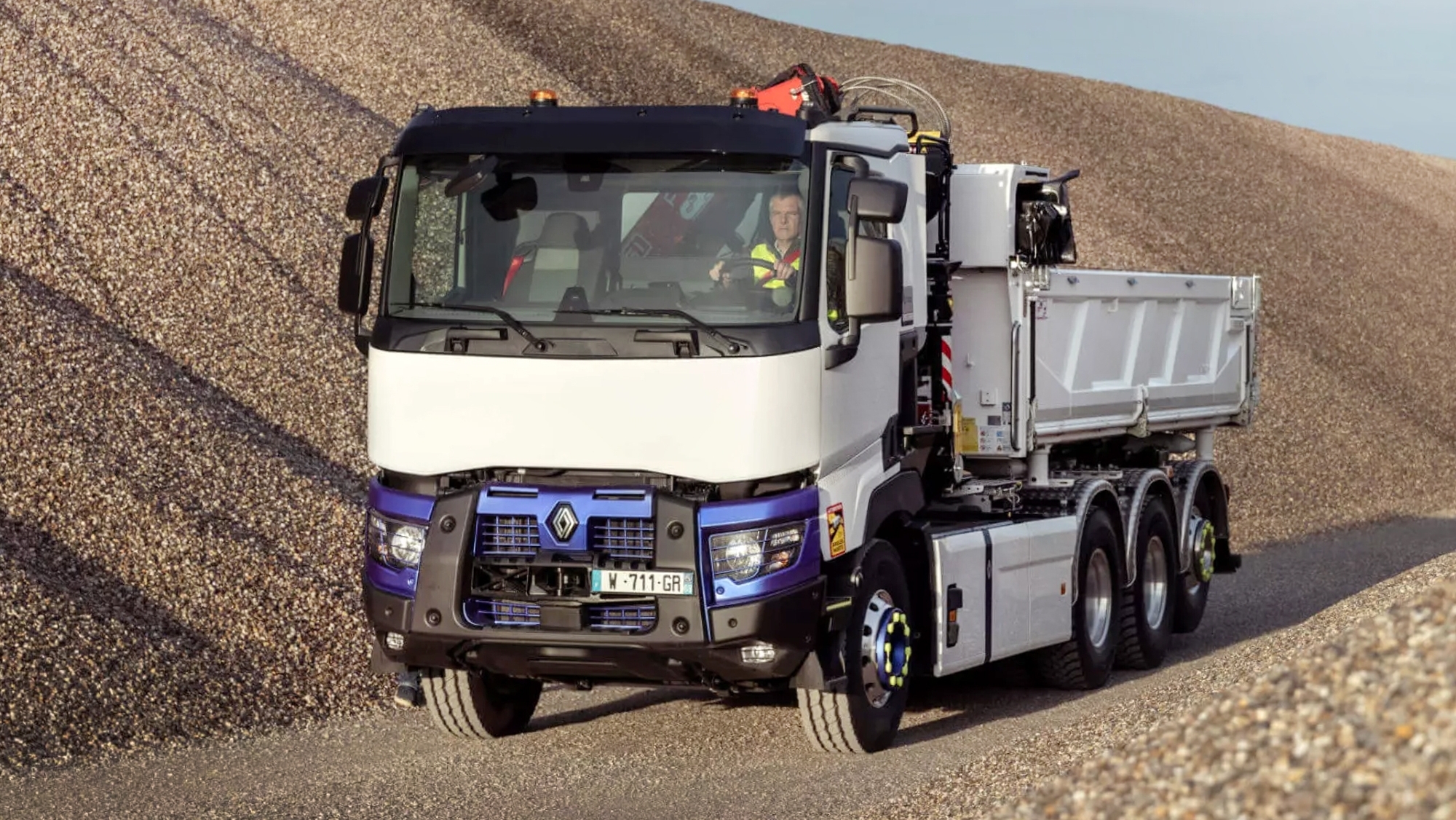
This shift is exemplified by the recent performance of major industry players. Renault Trucks, for instance, reported a total of 55,011 industrial vehicle sales in 2025, with 2,612 of those units being zero-emission vehicles. This figure highlights the growing footprint of electric alternatives within a traditional manufacturer’s portfolio, even as the industry navigates a complex economic landscape Renault Trucks 2025 Results.
The Regulatory Catalyst: July 2025 CO2 Norms
The sudden momentum in the electric truck market is not accidental. A primary driver is the introduction of the European Union’s first dedicated CO2 standards for heavy-duty vehicles, which officially took effect on July 1, 2025. These regulations mandate a 15% reduction in CO2 emissions for new 4×2 and 6×2 trucks weighing more than 16 tonnes, compared to 2019 levels EU CO2 Regulations.
For manufacturers, these norms create a legal imperative to increase the share of zero-emission vehicles (ZEVs) in their sales mix to avoid potential penalties. This regulatory “push” is clearly visible in the data for the second half of 2025. According to the ICCT, the sales share of zero-emission heavy trucks (those over 12 tonnes) rose to 2.7% in the fourth quarter of 2025, up from 1.5% during the same period the previous year.
This regulatory environment is transforming the cost-benefit analysis for logistics companies. While the initial purchase price of an electric truck remains higher than its diesel counterpart, the combination of urban access restrictions (such as Low Emission Zones) and the risk of non-compliance with EU norms is making the transition a strategic necessity for maintaining market access.
A Tale of Two Segments: Light vs. Heavy Electrification
The data reveals a stark contrast in how different weight classes are adapting to electrification. The most aggressive growth is occurring in the medium-duty segment, specifically vehicles ranging from 3.5 to 12 tonnes.
In this category, the sales share of zero-emission vehicles nearly doubled in a single year, jumping from 10% in 2024 to 21% in 2025. The ICCT notes that this surge was primarily fueled by heavy vans, which accounted for more than half of all sales in this segment during 2025. In contrast, medium trucks held a much smaller share of just 3% ICCT Segment Analysis.
The corporate results from Renault Trucks mirror this trend. The company saw a massive 190% increase in the sale of its light commercial electric models, totaling 1,812 registrations. Yet, the medium and heavy-duty electric segment told a different story; Renault recorded 800 registrations in this category, representing a 20% decline compared to 2024 figures Renault Trucks 2025 Results.
This discrepancy highlights the “range anxiety” and infrastructure gap that still plagues the heavy-duty sector. While a light commercial vehicle can often be charged overnight at a depot to cover urban routes, a 44-tonne truck requiring a 600 km range demands a sophisticated network of high-power charging stations that is still under construction across many European corridors.
Regional Leaders and the Nordic Influence
Electrification is not progressing at the same speed across all European borders. The Nordic countries and the Benelux region continue to lead the transition, benefiting from more mature charging infrastructure and stronger government incentives.

In the final quarter of 2025, three countries stood out with exceptionally high sales shares for zero-emission trucks:
- Netherlands: 72% sales share
- Denmark: 66% sales share
- Sweden: 63% sales share
These figures, provided by the ICCT, suggest that when the infrastructure is present and the policy framework is supportive, the market is capable of shifting rapidly toward electric alternatives ICCT Regional Data.
Comparison of 2025 Electric Vehicle Market Shares in Europe
| Vehicle Category | Sales Share (%) | Key Growth Driver |
|---|---|---|
| Electric Buses | 25% | Public transit decarbonization |
| Medium Trucks (3.5–12t) | 21% | Heavy van adoption |
| Heavy Trucks (>12t) | 2.7% (Q4) | EU CO2 Norms (July 1, 2025) |
| Overall Electric Trucks | 4.5% | Regulatory mandates |
Market Outlook and Emerging Competition
As the European market opens up, new competitive pressures are emerging. While established European brands like Renault are adapting their portfolios, there is increasing attention on the entry of Chinese electric truck manufacturers into the European landscape. The arrival of low-cost, high-capacity electric trucks from China could further accelerate adoption rates by lowering the initial capital expenditure for fleet operators.
For the remainder of 2026, the industry’s focus will likely remain on the “heavy” finish of the spectrum. With the 15% CO2 reduction target now in effect, manufacturers are under pressure to deliver trucks that can handle 44-tonne loads with ranges approaching 600 km without sacrificing significant payload capacity to battery weight.
The success of this transition will depend on whether the rollout of the Trans-European Transport Network (TEN-T) charging infrastructure can keep pace with the vehicle production. Without a reliable network of megawatt charging systems, the growth in the heavy-duty segment may remain capped, regardless of regulatory pressure.
The next critical checkpoint for the industry will be the first full-year audit of the July 2025 CO2 norms, which will reveal how effectively manufacturers are meeting the mandated emission reductions and whether the 60% growth trend seen in 2025 can be sustained through 2026.
We invite our readers to share their perspectives on the electrification of heavy transport in the comments below. How is your logistics network adapting to the new EU CO2 norms?
Worth a look