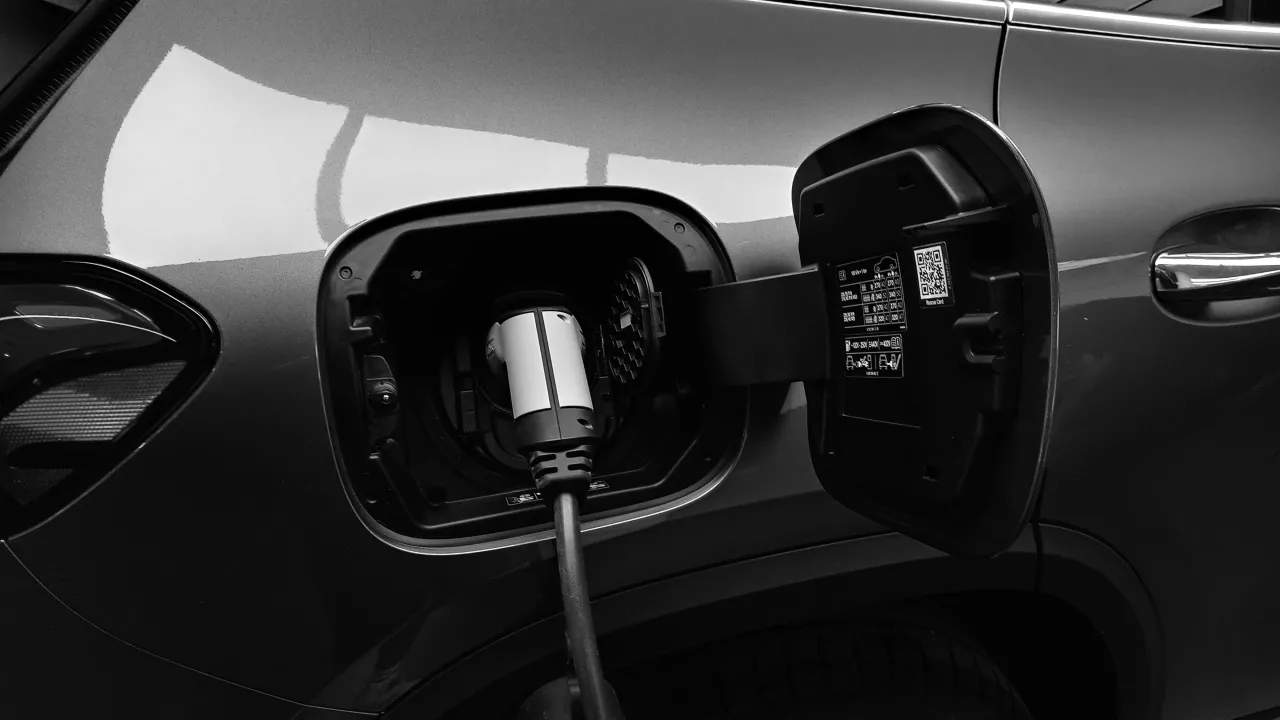
The Czech Republic may face sanctions from the European Union if it proceeds with plans to introduce tolls for electric vehicles on its highway network, according to recent developments in EU transport policy. The controversy centers on a proposed amendment to the country’s road usage fee system that would require owners of battery-powered cars to purchase a vignette – the sticker-based toll system currently applied to most vehicles using Czech motorways and expressways. While the move is framed by some officials as a step toward fairer infrastructure financing, EU officials have signaled that such a measure could violate bloc-wide incentives designed to promote zero-emission transport.
Under current Czech law, electric vehicles are exempt from the obligation to buy a highway vignette, a policy intended to encourage adoption of cleaner transportation as part of national climate goals. However, a proposal under discussion in the Ministry of Transport would end this exemption, arguing that all vehicles should contribute to road maintenance regardless of their power source. Critics warn that reintroducing costs for EV drivers could undermine years of progress in increasing electric vehicle uptake, which remains below the EU average despite generous purchase subsidies and tax benefits.
The European Commission has consistently maintained that member states should not impose financial burdens on zero-emission vehicles that could discourage their use, particularly in the pursuit of the bloc’s Fit for 55 package and broader decarbonization objectives. EU regulations allow temporary exemptions from tolls and taxes for environmentally friendly vehicles as part of efforts to meet CO₂ reduction targets in the transport sector. Imposing vignette fees on electric cars could be interpreted as a reversal of these principles, potentially triggering infringement procedures.
Officials from the Czech Ministry of Transport have not yet finalized the proposal and no official draft legislation has been published as of mid-2024. However, internal discussions confirmed by credible sources indicate that the idea is being evaluated as part of a broader review of road financing models. The ministry argues that as electric vehicles become more prevalent, their share of road usage increases, necessitating a reevaluation of how infrastructure costs are distributed. Still, no impact assessment or public consultation has been launched, leaving stakeholders in the automotive and environmental sectors uncertain about the government’s intentions.
The Czech Automobile Club (ÚAMK) has expressed concern that any reintroduction of fees for electric vehicles would send a conflicting message to consumers considering the switch from internal combustion engines. According to data from the Czech Statistical Office, electric vehicles accounted for just 4.2% of modern car registrations in 2023, significantly behind leaders like Germany (18.4%) and the Netherlands (24.1%). While purchase incentives remain in place, including reduced registration taxes and access to bus lanes, advocates argue that non-financial barriers such as charging infrastructure availability and upfront costs continue to hinder mass adoption.
Brussels has previously warned member states against backsliding on clean transport policies. In 2022, the European Commission opened an infringement procedure against Hungary after it introduced road tolls for electric vehicles, arguing that the measure undermined EU environmental objectives. Even though the case was later closed following amendments to the Hungarian scheme, it established a precedent that financial disincentives for zero-emission vehicles may be challenged under EU law. Legal experts suggest that if the Czech Republic implements a similar policy without adequate justification or transitional measures, it could face a comparable response.
The Ministry of Transport has emphasized that any changes to the vignette system would be accompanied by investments in charging infrastructure and maintained purchase incentives. However, no specific timeline or funding commitment has been attached to these assurances. Analysts note that without clear, verifiable plans to offset the financial impact on EV owners, the proposal risks being perceived as punitive rather than pragmatic.
As of June 2024, the Czech Republic operates over 1,300 kilometers of tolled highways and expressways, with the vignette system generating approximately 6.5 billion CZK annually in revenue, according to the State Fund for Transport Infrastructure. Electric vehicles currently represent less than 2% of the total vehicle fleet, meaning their exclusion from toll obligations has a minimal fiscal impact. Nevertheless, policymakers are debating whether long-term sustainability of the road fund requires broadening the base of contributors as electrification accelerates.
Environmental NGOs such as Hnutí DUHA and Greenpeace Czech Republic have urged the government to preserve the vignette exemption, warning that reintroducing costs could disproportionately affect early adopters and fleet operators who have already invested in electric vehicles based on existing incentives. They argue that any reform of road taxation should prioritize weight, distance, and congestion – factors more closely tied to infrastructure wear – rather than simply extending existing tolls to all vehicle types.
The debate comes amid broader European discussions about the future of vehicle taxation as traditional fuel excise revenues decline with the rise of electromobility. Several EU countries, including Germany and Austria, are exploring alternative models such as distance-based tolling or congestion charges that could eventually replace flat-fee vignettes. However, these systems remain in pilot or planning stages, and no harmonized EU approach has yet emerged.
For now, electric vehicle owners in the Czech Republic continue to benefit from the vignette exemption, with no immediate changes expected before the end of 2024. The Ministry of Transport has stated that any proposal would undergo public consultation and impact assessment before being submitted to parliament. Stakeholders are advised to monitor official channels, including the ministry’s website and the Legislative Council of the Czech Republic, for updates on the evolving policy landscape.
As the Czech government weighs its options, the potential clash between national fiscal needs and EU environmental commitments highlights the complex trade-offs involved in transitioning to a low-carbon transport system. Whether the country proceeds with tolling electric vehicles or seeks alternative revenue mechanisms will likely depend on both domestic political will and the willingness of Brussels to enforce its state aid and environmental rules.
Readers interested in following this story can access official updates through the Czech Ministry of Transport’s portal (Ministry of Transport website) and the State Fund for Transport Infrastructure (State Fund for Transport Infrastructure). The European Commission’s transport and climate policy pages also provide authoritative guidance on EU rules regarding incentives for clean vehicles (European Commission – Transport).
Stay informed, share your perspective, and join the conversation on how Europe’s roads should evolve in the era of electromobility.
Related reading