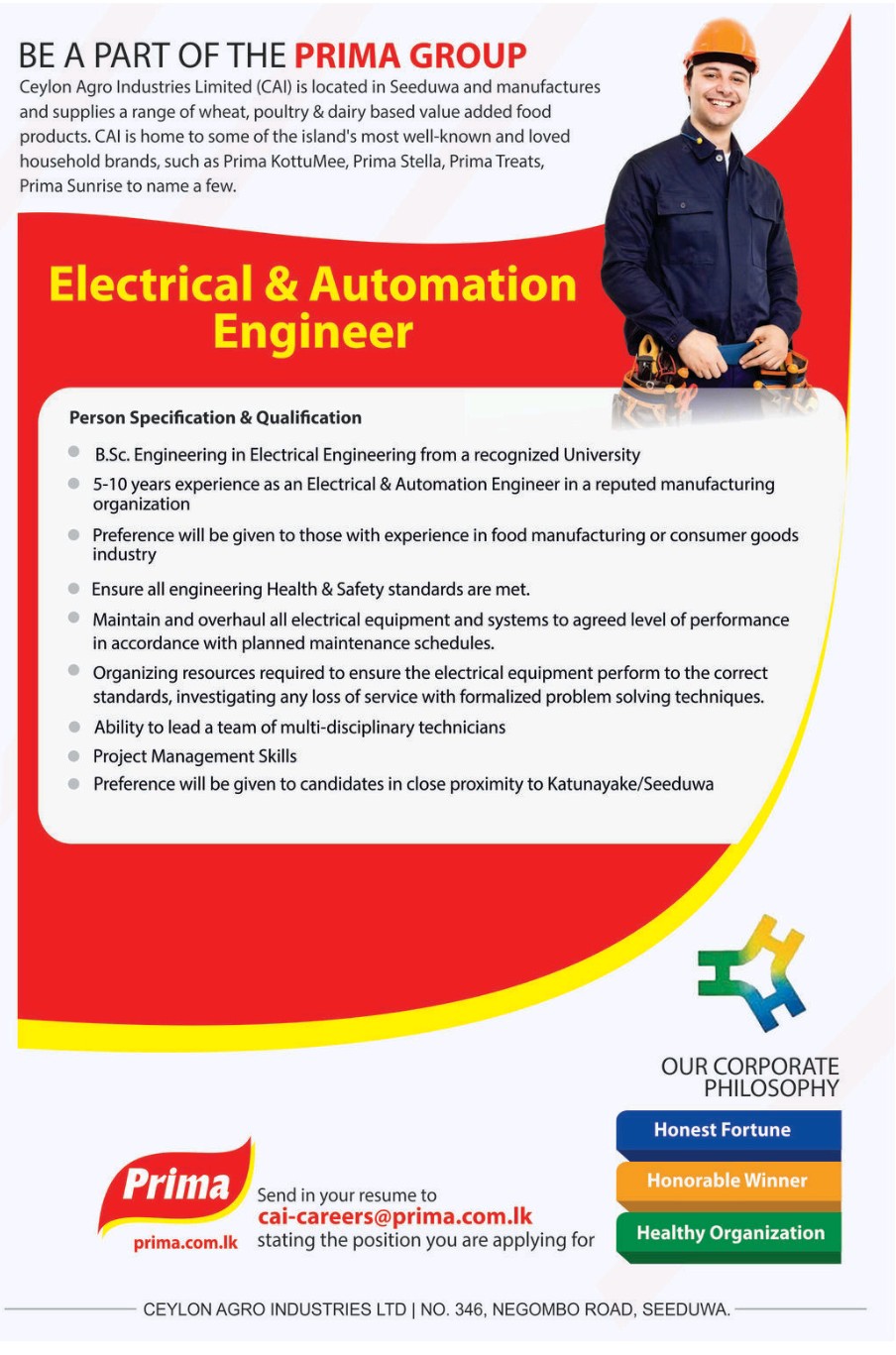
The landscape of modern manufacturing is undergoing a significant transformation as industry giants integrate artificial intelligence and robotics into their operational frameworks. In Rochester, New York, this evolution is evident in the specialized requirements for a Controls Engineer at General Motors, a role that demands a blend of creativity, agility and a deep-seated passion for automation.
As the automotive industry pivots toward more autonomous systems, the demand for experts who can bridge the gap between electrical engineering and computer systems has surged. These professionals are tasked with revising existing technology to reduce human interaction and monitoring the performance of implemented changes to ensure maximum efficiency on the factory floor.
For those entering the field, the role of an automation engineer is defined by the ability to improve manufacturing processes by automating specific parts to work independently. This technical expertise is critical as the industry moves from experimental pilots to widespread commercial deployment of advanced electrical systems in 2026.
The Convergence of Electrical Engineering and Automation
Electrical engineering provides the essential technical know-how required to design and implement the automated systems that drive today’s factories. In 2026, the convergence of robotics and advanced electrical systems is reshaping how vehicles are produced, turning futuristic concepts into operational realities.
The core objective for a controls engineer is to create systems that function with minimal human intervention. This involves a sophisticated understanding of how electrical components interact with software to control machinery. According to Indeed, automation engineers are experts who specifically focus on improving manufacturing processes by making them work automatically and independently.
This shift is not merely about replacing labor but about optimizing the precision and speed of production. By automating specific segments of the assembly line, companies can achieve higher consistency and safety standards, provided the systems are monitored and revised by skilled engineers.
Educational Pathways and Industry Trends
The academic preparation for these roles is evolving to match industry needs. Educational institutions are increasingly unifying their curricula to better equip students for high-demand careers in advanced manufacturing. For example, programs are now combining electromechanical systems, robotics, and controls into single, industry-driven curricula.
At Texas State Technical College (TSTC), the Automation and Controls Technology program is transitioning into a new “Advanced Manufacturing” program beginning in Fall 2026. This change is designed to reflect current industry practices and prepare graduates for a wider range of careers in the sector, as detailed by TSTC.
This trend toward multidisciplinary education highlights the necessity for a Controls Engineer to be an “agile thinker.” The ability to navigate between different technical domains—such as power management and robotic programming—is what allows an engineer to successfully implement the “commercial deployment” of technologies seen in 2026.
Key Competencies for Automation Professionals
- Technical Design: Expertise in designing and developing automated systems from the ground up.
- System Monitoring: The ability to track the performance of automated changes and iterate for improvement.
- Electromechanical Integration: Combining mechanical hardware with electronic controls and software.
- Agile Problem Solving: Applying creative thinking to resolve bottlenecks in the manufacturing process.
The Impact of Automation on the Manufacturing Landscape
The transition toward widespread automation in 2026 marks a pivotal moment for the global manufacturing sector. The integration of AI and robotics is no longer limited to slight-scale tests but is now being deployed across entire factory floors. This shift requires a workforce that is not only technically proficient but also capable of continuous learning as technology evolves.
For a company like General Motors in Rochester, New York, the focus on finding a “highly motivated” candidate with a background in electrical engineering underscores the importance of the human element in automation. Even as the goal is to reduce human interaction with the machinery, the design and oversight of those systems require high-level human intellect and creativity.
The broader implication for the workforce is a shift toward “Advanced Manufacturing,” where the role of the worker evolves from manual operation to system management and maintenance. This is reflected in the growth of specialized training programs that guarantee job placement in these high-growth fields, emphasizing the critical need for experts in electrical power and controls.
Comparison of Traditional vs. Advanced Manufacturing Roles
| Feature | Traditional Engineering | Advanced Manufacturing (2026) |
|---|---|---|
| Primary Focus | Manual system operation | Independent automation |
| Key Skillset | Single-discipline expertise | Unified electromechanical/AI skills |
| Human Interaction | High level of manual input | Minimal interaction via automated systems |
| Implementation | Experimental pilots | Widespread commercial deployment |
As the industry progresses, the focus remains on the ability to maintain and service industrial equipment that is increasingly complex. The expertise provided by electrical engineers is the foundation upon which these automated systems are built, ensuring that the transition to AI-driven factories is stable and scalable.
For those interested in the latest developments in automation and controls, official program updates and career opportunities in advanced manufacturing continue to emerge as the 2026 transition takes hold. We encourage readers to share their thoughts on the future of automation in the comments below.
Worth a look