
As energy markets across Europe continue to navigate a period of significant volatility, the concept of dynamic electricity pricing has moved from an industry niche to a central focus for household budget management. For consumers, understanding how these fluctuations—often tied to wholesale market shifts—impact their monthly bills is becoming an essential skill in an era of rapid energy transition.
Recent data indicates that wholesale electricity prices are subject to sharp, short-term movements, influenced by a complex array of factors including renewable energy production levels, grid demand, and broader economic conditions. For instance, recent market analysis from LSEG has highlighted instances where baseload electricity prices for immediate delivery have seen double-digit percentage shifts within a single 24-hour cycle, reflecting the sensitivity of the European power grid to supply-side variables.
Understanding Dynamic Electricity Pricing
Dynamic pricing, often referred to as time-of-use or real-time pricing, allows consumers to pay for electricity at rates that more closely reflect the actual cost of production and transmission at the time of consumption. Unlike traditional fixed-rate contracts, which provide stability at a set premium, dynamic models offer the potential for significant savings during off-peak hours—when demand is low and, frequently, when renewable generation from wind or solar is high.
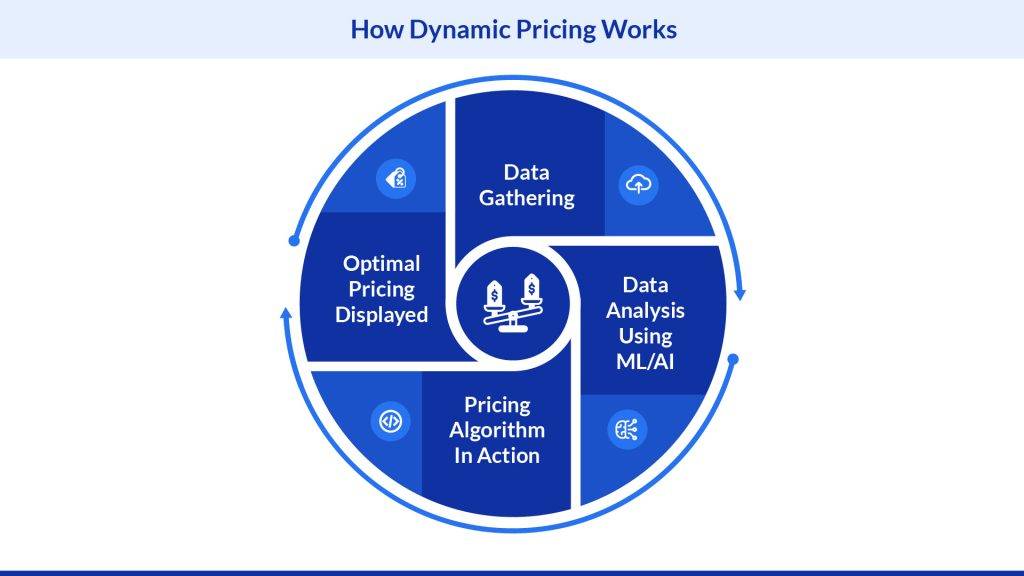
However, the mechanism requires a high degree of transparency and consumer awareness. Regulatory bodies, such as the Commission de Régulation de l’Énergie (CRE) in France, emphasize that while these tariffs can lower costs for flexible users, they expose households to market risks during periods of high demand or low supply. Consumers considering a transition to dynamic pricing should carefully review their historical consumption patterns to ensure that their lifestyle aligns with the periods when energy is most affordable.
Market Volatility and Consumer Impact
The recent fluctuations observed in the European market underscore why many experts advocate for a balanced approach to energy procurement. When the price of electricity for baseload delivery swings by nearly 40% in a single day—as observed in recent market data—the financial implications for households on dynamic contracts can be substantial. These shifts are often driven by the “merit order” effect, where the most expensive power source required to meet demand sets the price for all market participants at that moment.
To mitigate these risks, energy suppliers often provide digital tools and mobile applications that allow users to track real-time pricing and adjust their usage accordingly. By shifting heavy-load activities, such as running dishwashers or charging electric vehicles, to hours where prices are at their lowest, consumers can actively manage their exposure to price spikes. For further guidance on consumer rights and contract transparency, the UFC-Que Choisir provides ongoing analysis and comparative tools designed to help citizens navigate the complexities of modern energy contracts.
Key Considerations for Households
If you are exploring the feasibility of switching to a dynamic tariff, consider the following factors:
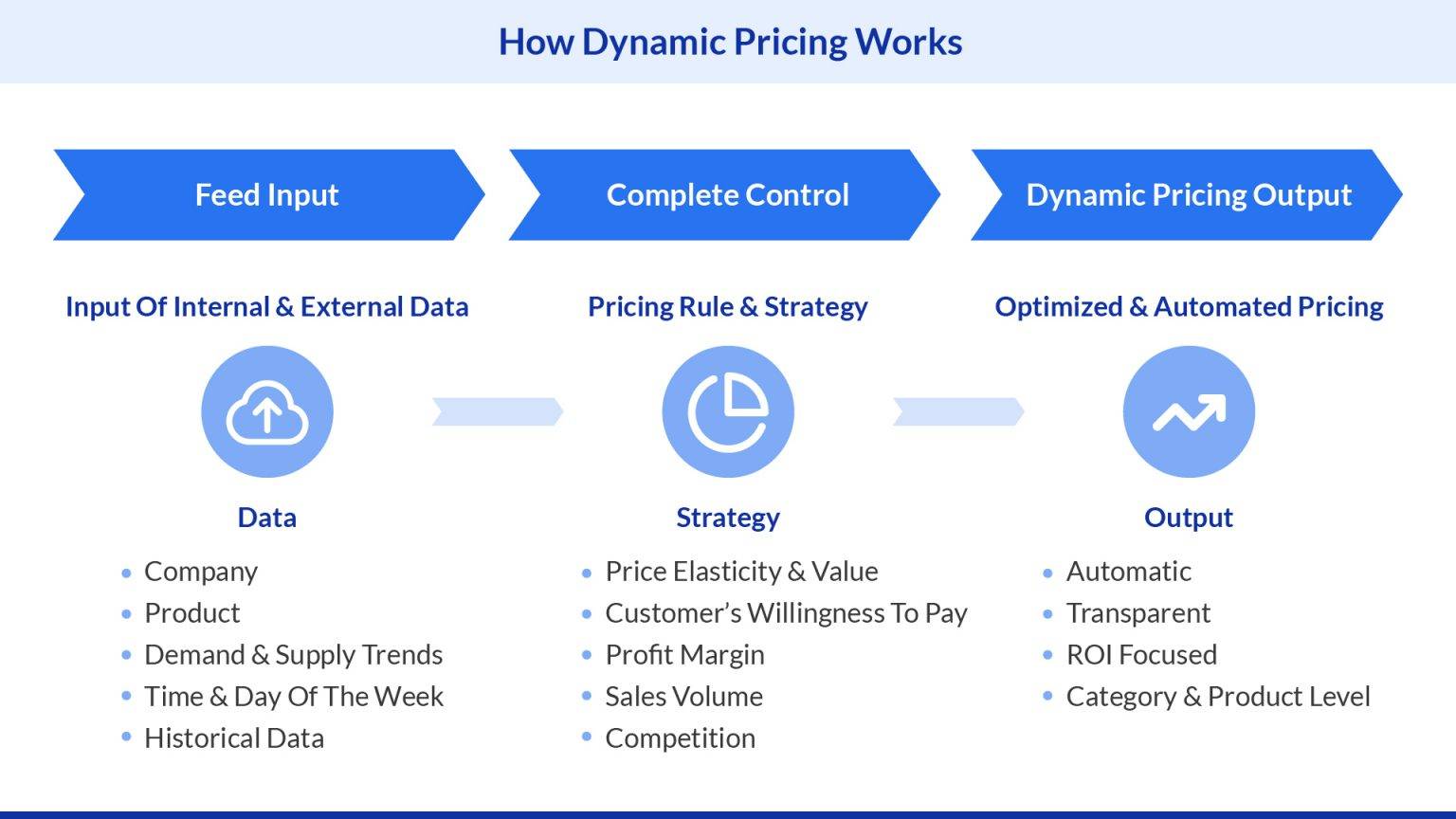
- Consumption Flexibility: Can your household shift energy-intensive tasks to off-peak hours?
- Monitoring Capability: Do you have access to a smart meter and a supplier app that provides accurate, up-to-date pricing data?
- Risk Tolerance: Are you prepared for the possibility of higher costs during extreme weather events or grid strain?
- Contract Terms: Review the specific methodology used by your provider to calculate dynamic rates, as these can vary significantly between companies.
As the energy landscape continues to evolve, staying informed is your best defense against market instability. The transition toward a more flexible, demand-responsive grid is a multi-year project involving significant infrastructure investment and regulatory oversight. For the latest developments regarding energy policy and market regulations, we encourage our readers to monitor official communications from national energy regulators and independent consumer advocacy groups.
We invite our readers to share their experiences with dynamic electricity pricing in the comments section below. Have you found the transition effective in lowering your monthly energy expenditures, or have the price fluctuations proven too unpredictable? Join the conversation and let us know your thoughts.
Worth a look