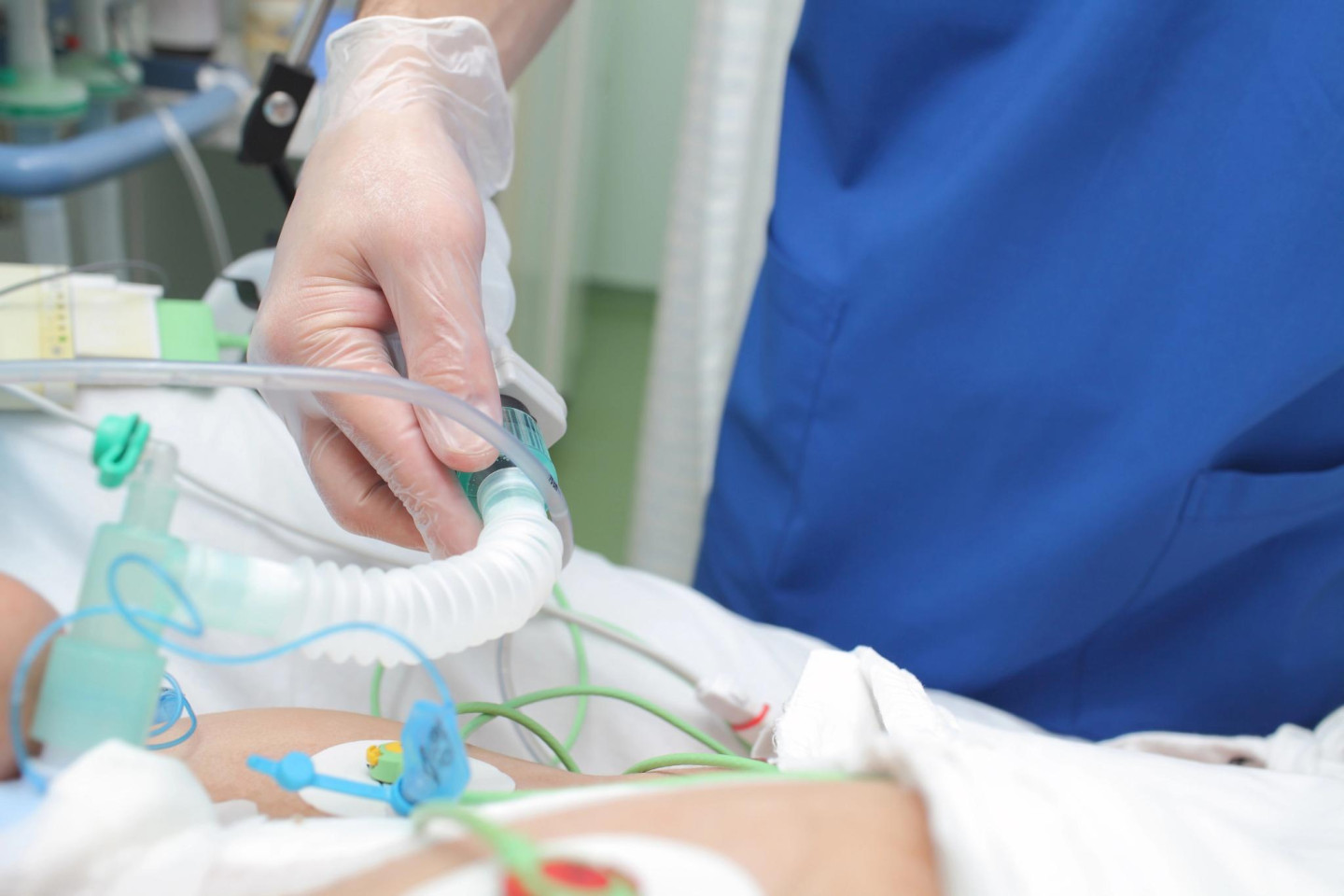
In a rare and medically significant turn of events in France, a 62-year-old patient identified as Didier has made a recovery after being declared dead by medical professionals. The incident, which occurred in the Brittany region, has sparked renewed interest in the complexities of clinical death and the physiological phenomena that can sometimes mimic or follow the cessation of cardiac activity.
Didier, who reportedly manages health challenges including the absence of one kidney and a cancer diagnosis, required regular dialysis sessions. Following a sudden loss of consciousness, his heart stopped beating, prompting medical staff to initiate emergency resuscitation efforts. Despite approximately 40 minutes of intervention, the medical team was unable to restore his pulse and subsequently pronounced him dead, notifying his family of the loss.
Understanding the Physiological Anomaly
The patient’s condition took an unexpected turn approximately three hours after the pronouncement of death, when a nurse detected a pulse. Didier was immediately transferred to an intensive care unit, where he remained for several days. According to reports regarding his recovery, he regained consciousness without significant impairment to his motor skills or speech. “I was very lucky,” Didier remarked regarding the experience.
Medical experts discussing such occurrences often point to the “Lazarus phenomenon,” a rare medical event characterized by the spontaneous return of cardiac activity after resuscitation efforts have been abandoned. While the exact mechanisms behind the phenomenon remain a subject of clinical study, medical literature notes that It’s not a “miracle” in the spiritual sense, but rather a complex physiological occurrence. Other potential explanations for similar cases include transient cardiac rhythm disturbances that may render standard medical equipment temporarily unable to detect a pulse, or a delayed effect of resuscitation drugs that only manifest after a significant interval.
Clinical Context and Medical Protocols
The case in Brittany highlights the challenges inherent in determining the irreversible cessation of circulation. Clinical guidelines for pronouncing death generally rely on the absence of a heartbeat and respiration for a sustained, specified period. However, in instances where cardiac output is extremely low or electrical activity is not captured by conventional monitors, the distinction between life and death can become obscured.
The Lazarus phenomenon, named after the biblical figure Lazarus of Bethany, has been documented in medical journals since the early 1980s. While rare, these cases underscore the importance of continued observation in post-resuscitation scenarios. The medical community maintains rigorous standards to ensure that patients are not prematurely declared deceased, and cases of spontaneous recovery are typically investigated to determine if underlying electrical abnormalities or systemic factors contributed to the delay in circulation.
Looking Ahead
Didier is currently on a path to recovery and is expected to be discharged from medical care soon. His case remains a subject of professional interest for the medical team that oversaw his transition from the intensive care unit back to stability. As he prepares to return home, his experience serves as a reminder of the limits of current medical technology and the ongoing need for nuanced clinical judgment in emergency settings.

While this event in France is a striking outlier, it highlights the importance of standardized resuscitation protocols and the necessity of thorough monitoring even after clinical death has been pronounced. Further updates regarding his long-term health will be determined by his ongoing treatment plan for his pre-existing conditions.
What are your thoughts on how modern medicine handles the definition of clinical death? Share your perspective in the comments below, and stay tuned to our health and science section for more reports on medical developments.
Keep reading