
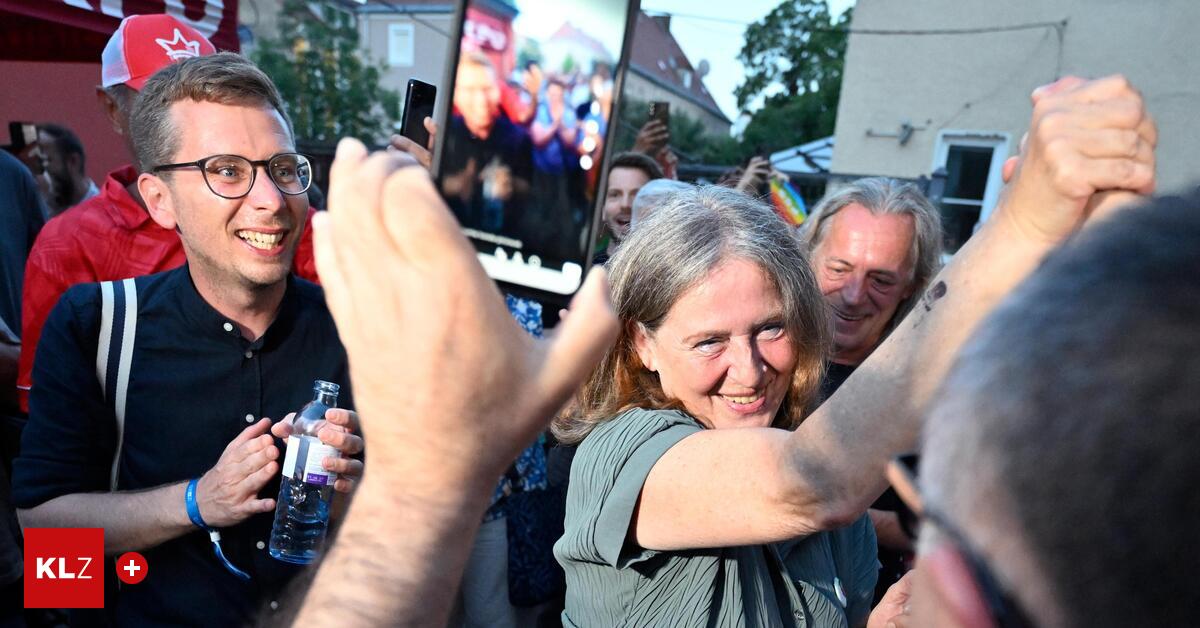
Elke Kahr, the Mayor of Graz, solidified her position as a dominant political force in the Styrian capital by securing the highest number of preferential votes in the most recent municipal election. Her performance, which saw her significantly outperform other candidates, underscores the continued strength of the Communist Party of Austria (KPÖ) in local governance. Simultaneously, the Austrian People’s Party (ÖVP) has navigated its own internal electoral dynamics, successfully distributing five mandates based on the personal support garnered by its individual candidates.
The municipal election results in Graz have drawn significant attention from political analysts and voters alike, as they reflect shifting trends in local voting patterns. According to official data from the City of Graz, the electoral process relies heavily on both party lists and the specific, preferential votes cast for individual politicians. This system allows voters to exert influence over which specific candidates occupy the seats won by their respective parties.
Elke Kahr’s Electoral Mandate
Elke Kahr has consistently maintained a high profile in Graz, focusing on housing policy and social welfare. Her ability to attract a vast number of preferential votes is viewed by observers as a direct endorsement of her leadership style and the platform of the KPÖ. By securing the most personal votes among all candidates, Kahr has effectively bypassed the standard party-list hierarchy, demonstrating a unique level of support that transcends traditional party lines.
Political researchers often highlight that in systems like the one used in Graz, preferential voting acts as a “popularity contest” within the broader election. Kahr’s success in this arena suggests that the electorate identifies strongly with her specific initiatives, particularly those aimed at addressing the cost of living and housing affordability in the city. Her mandate is not merely a reflection of party affiliation but a tangible sign of voter trust in her as an individual administrator.
The ÖVP and Personal Mandates
The Austrian People’s Party (ÖVP) approached the election with a strategy focused on mobilizing its base to ensure that specific candidates could secure their positions through personal backing. The distribution of five mandates based on preferential votes indicates that the party’s internal campaign to encourage voters to mark specific names on the ballot was successful. This mechanism is crucial for parties looking to maintain a balance of influence among their caucus members.

As reported by the State of Styria’s official election portal, the rules governing how mandates are assigned after an election are strictly defined by provincial law. Once the total vote count for a party is established, the seats are allocated. If a candidate receives a sufficient number of personal votes, they are prioritized for these seats, regardless of their original placement on the party list. For the ÖVP, this process has been instrumental in shaping the composition of their team in the municipal council.
Political Context and Future Implications
The landscape of Graz politics is characterized by a high degree of voter engagement. The reliance on preferential votes means that candidates cannot afford to be passive; they must actively campaign to earn the trust of their constituents. For the current administration, the results provide a clear roadmap of voter priorities. The emphasis on social policy remains a central pillar of the city’s political discourse, with both the KPÖ and the ÖVP vying to address the concerns of the urban population.

Looking ahead, the next significant checkpoint for the municipal government will be the implementation of the policy agenda discussed during the campaign. With the mandates now officially distributed, the council is tasked with translating these electoral results into legislative action. Observers are expected to monitor how the cooperation between the various factions in the council develops, especially given the strong personal mandates held by key figures like Kahr.
Public interest remains high as the city prepares for upcoming budget negotiations and policy reviews. Residents looking for official documentation, session transcripts, or detailed breakdowns of the election results can find these resources on the official website of the City of Graz. We encourage readers to share their thoughts on the shifting political dynamics in the region and stay tuned to our sports and politics desk for further updates as the council sessions commence.