
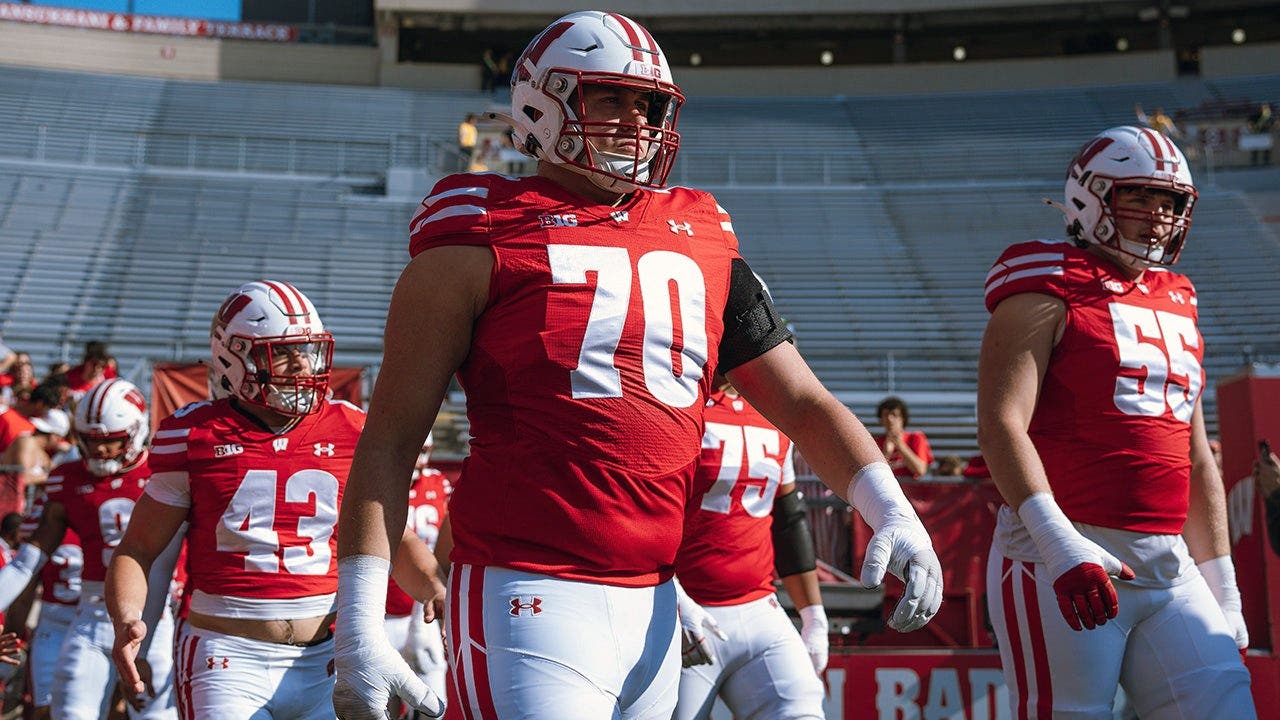
The Wisconsin Badgers have partnered with Culver’s, a fast-food chain, to feature the company’s logo on athletic uniforms. This jersey sponsorship integrates a regional brand into the team’s iconic cardinal red and white attire, marking a shift toward corporate branding in collegiate sports.
The decision to add jersey ads follows a growing trend across American sports, where major league teams and collegiate programs are adding them. While jersey sponsorships have been around in Europe and in the minor leagues forever, their introduction to college athletics has sparked debate among fans regarding the commercialization of uniforms.
Culver’s, known for its butter burgers and Concrete Mixers, maintains a connection to the region. By selecting a brand with ties to the region, the university aims to mitigate fan backlash that often accompanies the introduction of corporate logos on athletic gear. This strategy leverages regional pride to make the sponsorship feel like a part of the uniform.
Why did the Wisconsin Badgers choose Culver’s for jersey ads?
The university opted for Culver’s because the brand shares a regional identity with the Badgers’ fanbase. The alignment between a chain and the team helps the sponsorship blend into the team’s image. This approach contrasts with sponsorships that do not share regional ties, as the nature of the partner reduces friction with supporters who view the uniforms as sacrosanct.

From a financial perspective, these sponsorships provide funding. To throw a competitive roster on the field, universities must find ways to bring in that money.
How does this fit into the broader trend of collegiate jersey sponsorships?
The shift toward branded uniforms is occurring in the U.S. sports landscape. Economic pressure to fund programs has led schools to adopt models where sponsors are integrated into the uniforms.
Industry observers suggest that partnering with a regional staple could serve as a blueprint for other institutions. For example, a school in Texas might partner with Buc-ee’s, or a Philadelphia-area institution might throw a Wawa patch on their uniforms. The goal is to transform the sponsor into a piece of the “livery,” similar to how sponsors are integrated into the paint schemes of motorsports.
What is the impact on fan reception and brand identity?
Fan reaction to jersey ads is typically divided. In the case of the Badgers, the selection of Culver’s appears to have softened the blow for critics. While some fans initially expressed anger over the introduction of ads, the choice of a brand with ties to the region has helped the logo become a more accepted part of the uniform.

The challenge for athletic departments is balancing the “sacred” nature of team colors with the need for revenue. When a sponsor’s brand is viewed as having ties to the region, the logo is less likely to be seen as an intrusion.
As more universities move toward this model, the focus will likely shift to finding partners that are a “perfect fit” for a specific school’s culture.
Updates on the duration and specific financial terms of the Culver’s agreement are typically managed through the university’s athletic department and official corporate filings. Those following the evolution of collegiate sponsorship can monitor official university press releases for future partner announcements.
Do you think regional partnerships make jersey ads more acceptable, or should college uniforms remain ad-free? Share your thoughts in the comments below.