
The high-stakes legal battle between Elon Musk and OpenAI CEO Sam Altman reached a dramatic conclusion this week, as closing arguments in the closely watched trial brought the central conflict of the artificial intelligence industry into sharp focus. For three weeks, the courtroom in Oakland, California, became the stage for a bitter dispute over the future of artificial general intelligence (AGI) and the foundational promises of one of the world’s most influential technology organizations.
The trial centers on allegations that OpenAI leadership abandoned its original nonprofit mission in favor of a lucrative for-profit model. As the jury prepares to begin deliberations this coming Monday, the proceedings have left observers questioning the governance of the AI sector and the nature of the commitments made by its pioneers. According to court filings, the jury’s verdict will serve as an advisory opinion for U.S. District Judge Yvonne Gonzalez Rogers, who retains the final authority to rule on the case.
A Clash of Credibility and Strategy
The final days of the trial were defined by a stark contrast in legal strategy. Counsel for Elon Musk, led by Steven Molo, focused on the argument that Sam Altman and OpenAI president Greg Brockman violated the terms of Musk’s initial financial support, which was intended to secure OpenAI’s status as a nonprofit entity dedicated to the benefit of humanity. The argument posits that the subsequent creation of a for-profit subsidiary redirected those resources, enriching leadership while undermining the organization’s public-interest mandate.
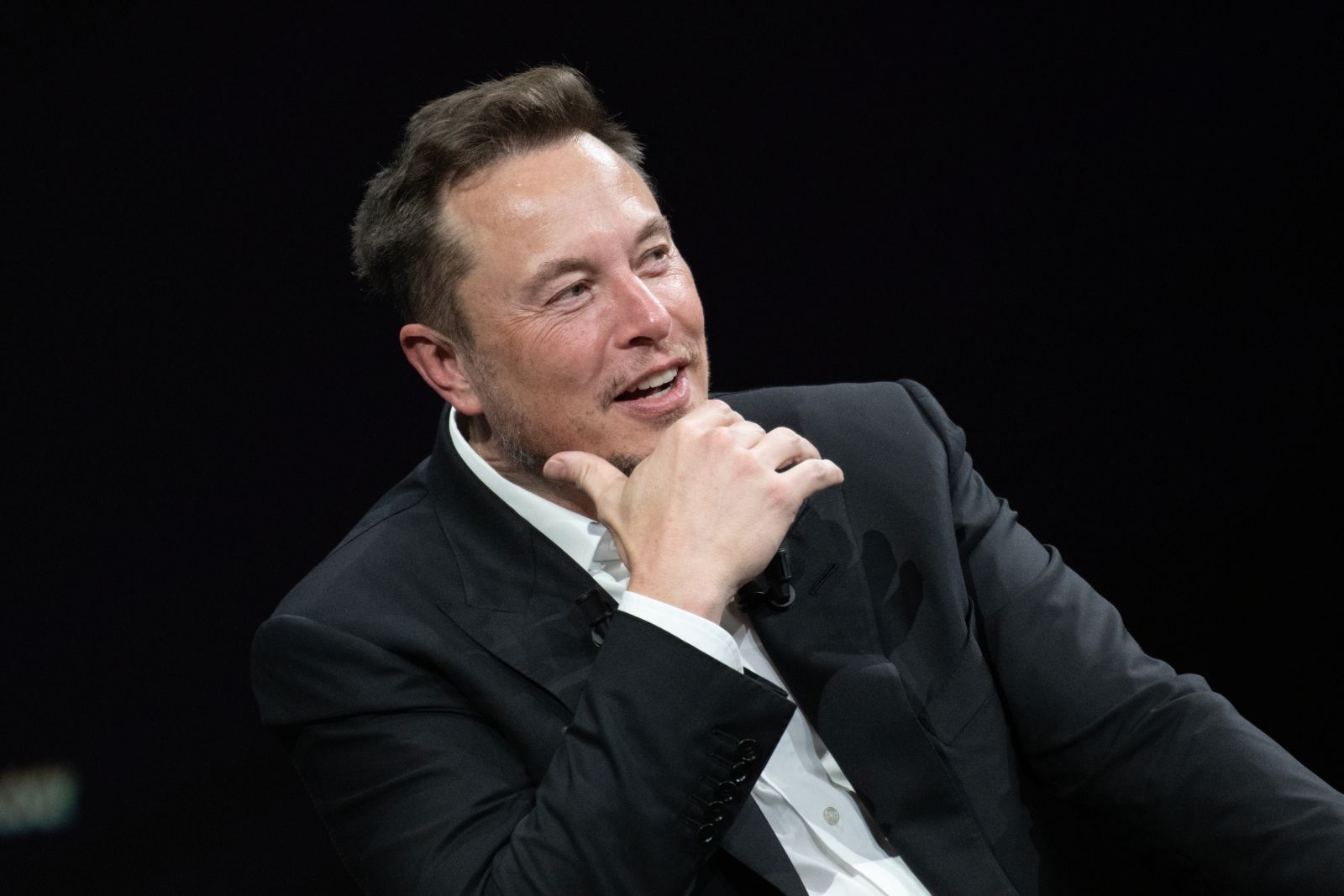
Conversely, OpenAI’s legal team, headed by Sarah Eddy, maintained that no formal promises were ever made to keep the company a nonprofit in perpetuity. Eddy argued that the restructuring was a necessary evolution to fuel the massive computational and research costs required to advance AGI. The defense contended that Musk’s lawsuit is motivated by competitive interests rather than a genuine concern for the nonprofit structure, pointing to the 2023 launch of Musk’s own AI venture, xAI.
The intensity of the trial was underscored by the use of visual aids, including the projection of mugshot-style imagery of the two tech figures, highlighting the personal nature of the conflict. While Musk remained absent during the final arguments—having traveled to China—his legal team continued to press Altman on his history of leadership, including the 2023 period during which he was briefly removed as CEO.
The Question of Governance and AI Safety
Beyond the contractual disputes, the trial served as a proxy for the broader debate over AI safety. A notable moment occurred when OpenAI’s legal team introduced a golden trophy of a donkey’s ass, a piece of office memorabilia given to an employee who had previously warned about the risks of rushing toward AGI. The object served as a symbolic defense against claims that the organization had abandoned safety protocols in its pursuit of commercial success.

The legal arguments also touched upon the role of the nonprofit board in overseeing a company with a significant for-profit footprint. Expert testimony, including perspectives on nonprofit governance, highlighted concerns regarding whether the nonprofit entity still possesses the authority to steer the company’s development. The trial has drawn attention to the complex relationship between research institutions and the commercial entities that often fund them.
According to reports regarding recent legislative interest, the U.S. House oversight committee has initiated an inquiry into potential conflicts of interest concerning Altman’s personal investments. Several state attorneys general have requested that the Securities and Exchange Commission review the governance structures of major AI developers to ensure transparency and compliance with public interest standards.
What Happens Next
The jury is scheduled to begin deliberations on Monday, May 18, 2026. Because the verdict is advisory, the final resolution of the case rests with Judge Gonzalez Rogers. The outcome carries significant weight for the tech industry, as a ruling in Musk’s favor could potentially disrupt OpenAI’s path toward a high-valuation public offering. Meanwhile, the market continues to track the development of xAI, which is expected to reach a public market debut as part of SpaceX later this year.
For those following the case, official court filings and transcript summaries are available through the Northern District of California’s electronic records portal. As the industry awaits the judge’s decision, the debate over who should control the trajectory of artificial intelligence—and to whom those leaders are accountable—remains a central theme for policymakers and the public alike.
We invite our readers to share their thoughts on the implications of this trial for the future of AI development. How should the balance between innovation and public oversight be maintained in the age of AGI?
Related reading
- How to Water Your Garden Legally During a Hosepipe Ban Using Tech
- Solving the Mystery of Mars’ Moons: New Insights Into Their Origins
- Topeka Nonprofit Restores Historic 1937 Locomotive and Seeks Permanent Home (news-usa.today)
- Veteran Actress Snehlata Reflects on Golden Age of Gujarati Cinema (archyworldys.com)