
In the high-stakes theater of global capital, few figures command as much attention as Elon Musk. As the founder and CEO of Space Exploration Technologies Corp., better known as SpaceX, Musk has consistently pushed the boundaries of aerospace engineering and commercial spaceflight. Recently, market speculation has intensified regarding a potential initial public offering (IPO) for the company, an event that analysts suggest could represent a monumental shift in market dynamics. While the prospect of a SpaceX public listing has fueled a frenzy of investor interest, It’s essential to distinguish between market conjecture and the company’s stated operational priorities.
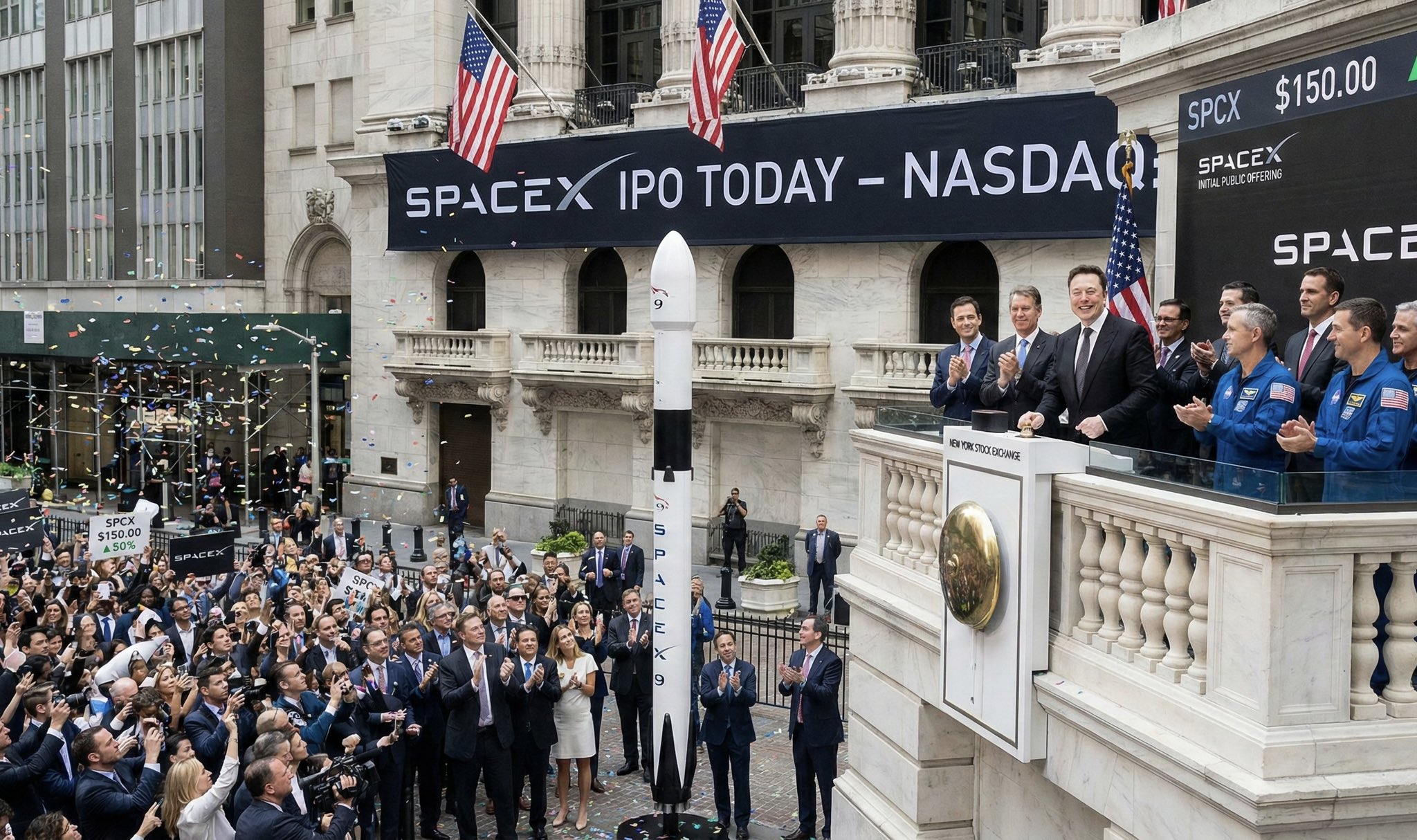
The conversation surrounding a potential SpaceX IPO has become a focal point for institutional and retail investors alike. As the company continues to achieve significant milestones—most notably with its Starship development program and the expansion of the Starlink satellite internet constellation—the desire for retail exposure to these assets has grown. However, for those tracking the aerospace giant, it remains critical to note that SpaceX has not filed a registration statement with the U.S. Securities and Exchange Commission (SEC) to take the company public. Any claims regarding specific valuations or imminent listing dates currently circulating in broader financial discourse lack official confirmation from the firm.
The Reality of Private Valuation and Market Speculation
SpaceX operates as a private entity, which allows it to pursue long-term, capital-intensive projects like the colonization of Mars without the immediate pressure of quarterly earnings calls. According to reports from major financial outlets, the company’s internal valuation has seen significant upward movement in recent secondary market transactions. In late 2024, reports indicated that SpaceX was discussing a tender offer that could push its private valuation toward the 250 billion dollar threshold. This figure, while staggering, reflects the company’s unique position as both a dominant launch provider and a rapidly scaling internet service provider.
The fervor surrounding a potential public listing has given rise to various informal, and often risky, secondary market vehicles. Investors should exercise extreme caution regarding platforms or “pre-IPO” schemes claiming to offer early access to SpaceX shares. The SEC consistently warns investors about the dangers of unregistered securities and the lack of transparency in private market trading. As noted in the official SEC investor alert on pre-IPO offerings, these assets are often highly illiquid and carry significant risks that are not present in established, exchange-traded equities.
Strategic Intentions: Starlink and the Capital-Intensive Roadmap
While speculation often centers on a full company IPO, industry observers frequently point to Starlink as the most likely candidate for a spin-off. Elon Musk has previously acknowledged the potential for a separate public offering for the satellite division, though he has emphasized that such a move would only occur when revenue growth becomes more predictable. As of early 2024, Starlink had reached a milestone of over 3 million subscribers globally, demonstrating the tangible demand for its services. For the company, the primary focus remains the rapid iteration of the Starship vehicle, which is central to both NASA’s Artemis program and the company’s own interplanetary ambitions.

The capital requirements for these endeavors are immense. By remaining private, SpaceX retains the flexibility to pivot its strategy and allocate resources toward research and development without the constraints of public market volatility. This structural advantage is a cornerstone of the company’s current business model. For investors, the “wait-and-see” approach is not merely a suggestion but a necessity, as any formal path to public markets would require extensive regulatory filings and public disclosures that are currently non-existent.
Navigating the Information Landscape
In an era where social media and speculative financial blogs can move markets, the responsibility falls on the individual investor to prioritize primary sources. For those interested in the financial health and operational progress of SpaceX, the most reliable information can be found through:
- NASA Press Releases: As a primary partner for the Commercial Crew and Artemis programs, NASA provides regular, verified updates on SpaceX’s operational milestones.
- SEC EDGAR Database: This is the only legitimate source for verifying if a company has initiated the formal registration process for an IPO.
- Official SpaceX Communications: The company’s own website remains the definitive source for updates regarding their launch schedule and technical achievements.
the “fever” surrounding pre-IPO betting platforms often ignores the legal reality that these companies are not obligated to provide the same level of financial disclosure as public corporations. Before committing capital to any vehicle promising exposure to SpaceX, investors are encouraged to consult with a licensed financial advisor and verify the legitimacy of the offering through the FINRA BrokerCheck portal.
Future Outlook and Key Checkpoints
Looking ahead, the next significant indicator of SpaceX’s financial trajectory will not be an IPO filing, but rather the continued cadence of Starship flight tests and the expansion of the Starlink subscriber base. These operational successes drive the company’s internal valuation and its ability to secure government contracts. As the aerospace sector continues to evolve, the distinction between private innovation and public market participation remains a critical boundary.
We will continue to monitor official filings and corporate announcements for any shift in SpaceX’s capital structure. For now, the “multibillion-dollar bet” on the company remains a private affair, confined to the balance sheets of venture capital firms and the ambitious vision of its leadership. We invite our readers to share their thoughts on the evolution of private space exploration and its implications for the broader economy in the comments section below.
Keep reading