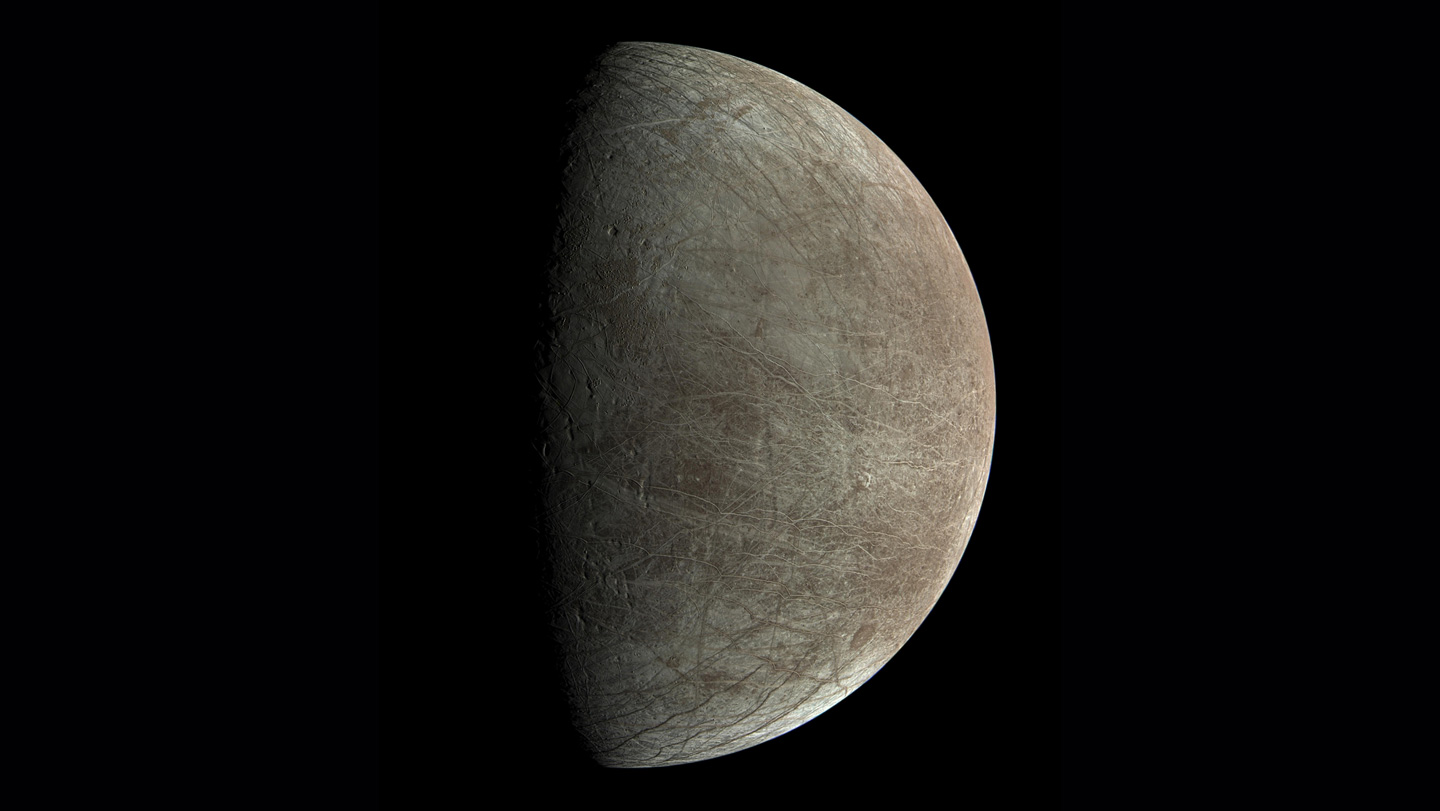
The question of whether Jupiter’s icy moon, Europa, actively vents water plumes into space remains one of the most compelling mysteries in planetary science. For years, researchers have analyzed data from various missions and Earth-based observations to determine if this celestial body, which scientists believe harbors a liquid ocean beneath its frozen crust, is geologically active in a way that ejects material into the surrounding environment. However, recent scientific discourse suggests that the evidence for these water plumes is far from conclusive, leading many in the research community to reconsider long-held assumptions.
The debate surrounding these potential water eruptions is not merely academic; it touches upon our fundamental understanding of habitability in the solar system. If Europa vents water, it could offer a unique, non-invasive way for spacecraft to sample the moon’s internal ocean for signs of life. Yet, as we refine our models and observational techniques, the absence of consistent, definitive proof has left the scientific community at a crossroads. As we look toward the future of planetary exploration, the mission to definitively characterize the surface and subsurface of this moon is becoming a top priority for space agencies globally, as detailed in official NASA mission overviews.
Evaluating the Evidence for Plumes
For some time, various observations—including those from the Hubble Space Telescope—have been interpreted by some research teams as evidence of transient plumes erupting from Europa’s surface. These potential events were viewed as significant milestones in identifying active processes on icy moons. However, independent analysis has frequently struggled to replicate these findings or confirm them with the level of certainty required for broad scientific consensus. The challenge lies in the difficulty of distinguishing between actual geological venting and potential observational artifacts or noise in the data.
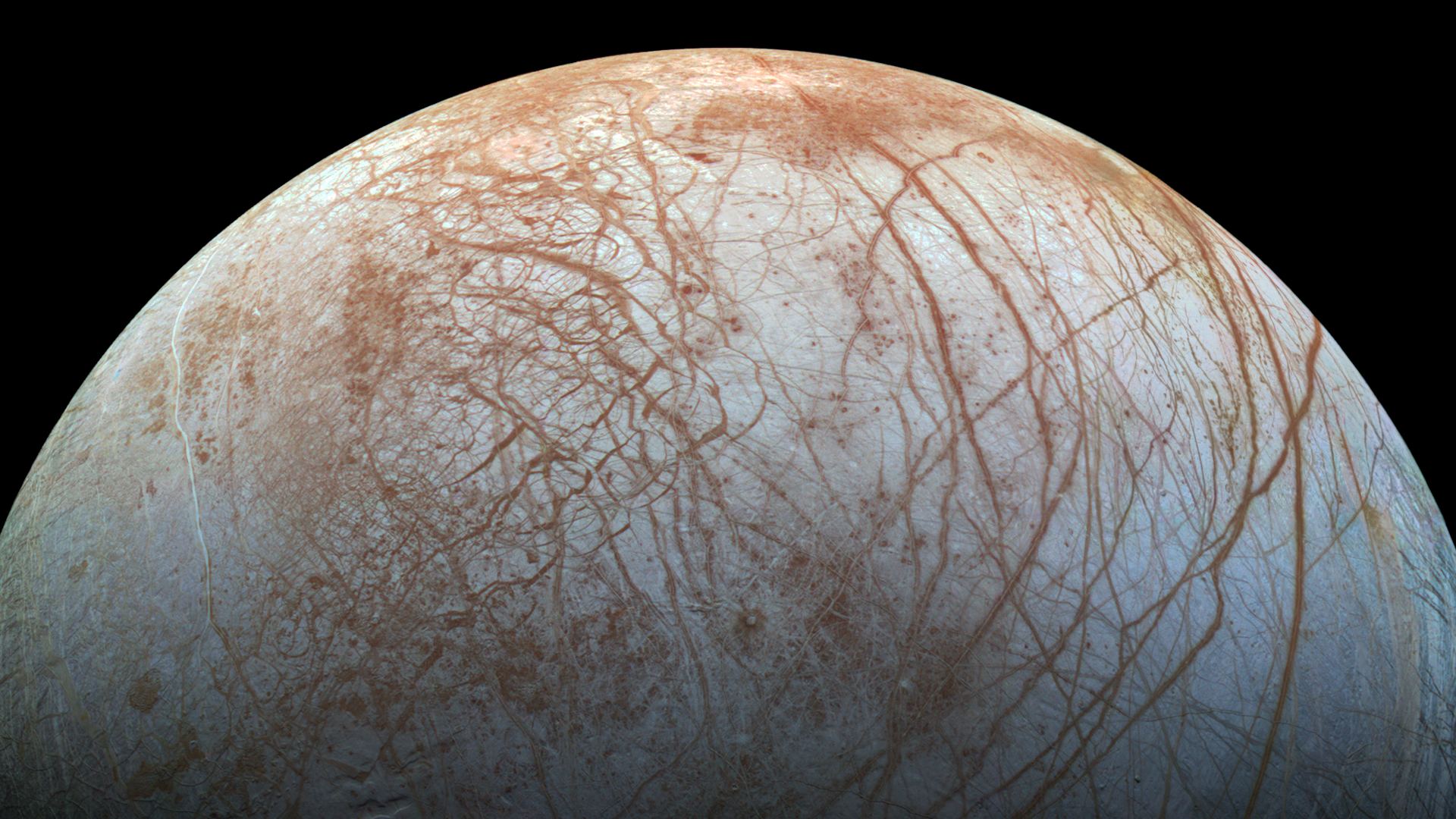
The scientific process relies on repeatability and robust data sets. Currently, the lack of a consistent signature for these plumes has led to a more cautious interpretation of the available information. Experts are now focusing on whether other phenomena, such as surface frost sublimation or interaction with Jupiter’s intense magnetic environment, might be mimicking the signatures previously attributed to water vapor venting. Understanding the exact nature of these signals is essential before One can definitively claim that Europa is an active world in the way we once hypothesized.
The Role of Future Exploration
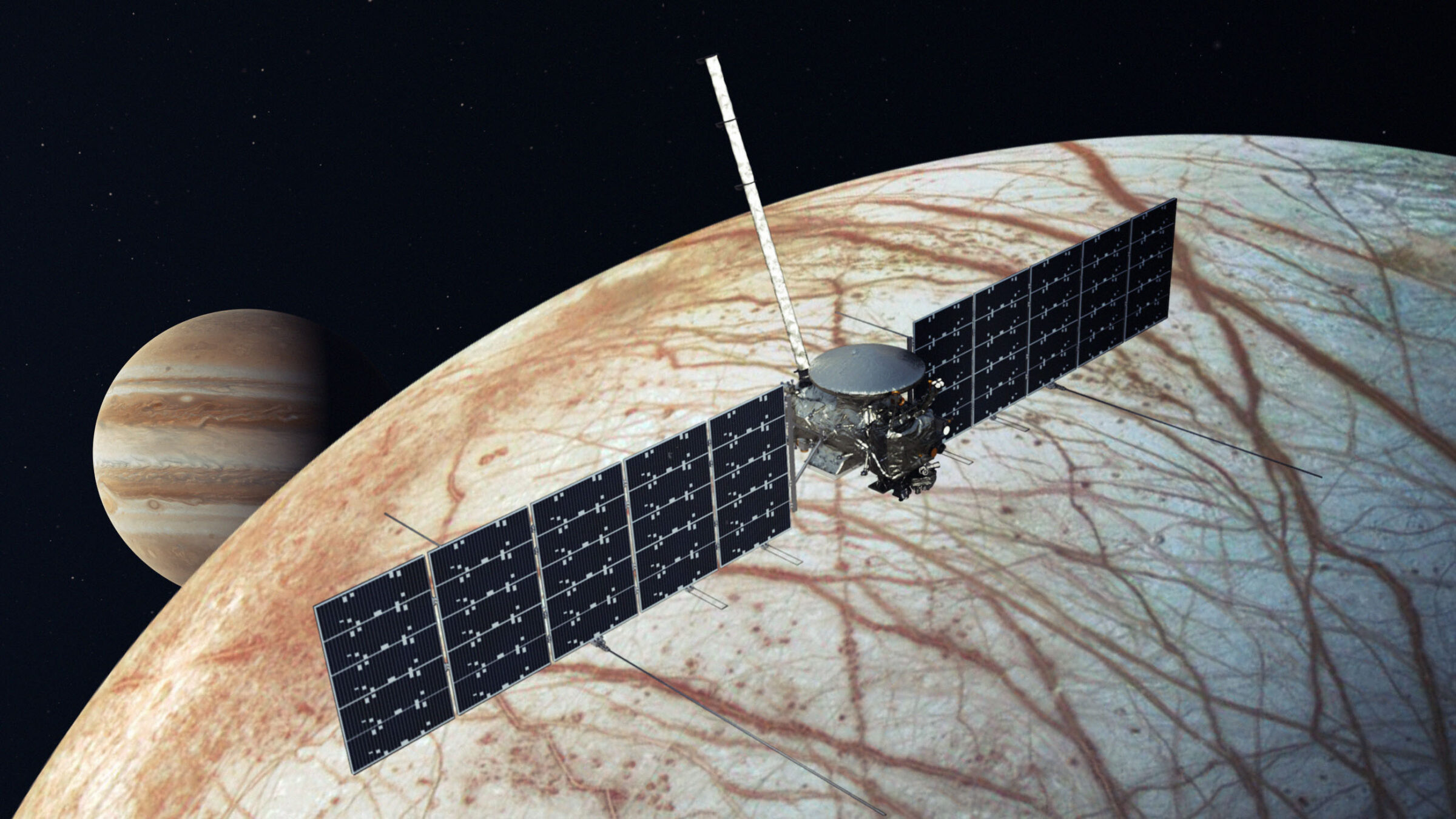
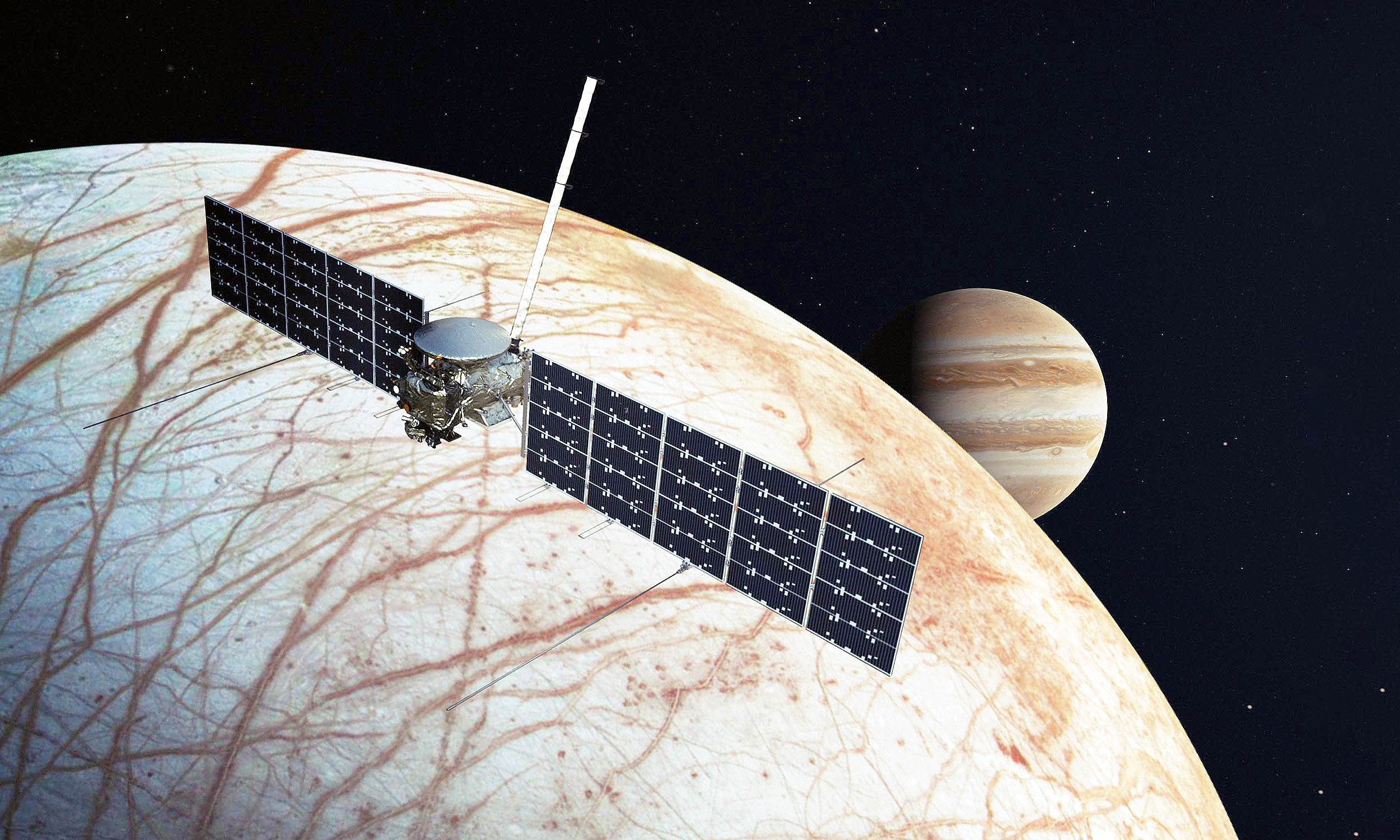
The scientific community is now looking ahead to the next generation of robotic exploration to settle this ongoing debate. The Europa Clipper mission is specifically designed to conduct detailed reconnaissance of the moon. By performing multiple flybys, the spacecraft will provide high-resolution imaging and comprehensive data that will allow scientists to map the surface and analyze its composition with unprecedented precision. This mission represents a critical step forward in our quest to understand the icy moons of the outer solar system.
By the time the mission reaches its primary observation phase, the data collected will provide the necessary evidence to either confirm or refute the existence of active plumes. The spacecraft’s suite of instruments is optimized to detect low-density gases and analyze surface features that would be indicative of past or present venting. This targeted approach is expected to clarify the geological state of Europa, moving us past the current period of uncertainty and into an era of direct, high-fidelity observation.
What This Means for Astrobiology
The implications of this research extend far beyond the moon itself. If Europa is indeed venting its subsurface ocean, the potential for future missions to perform “in-situ” analysis of the ocean’s chemistry—without the need for complex landing or drilling technology—becomes significantly more feasible. This would be a massive leap forward for astrobiology, allowing us to search for organic compounds or signs of biological activity in samples that originate directly from the moon’s internal reservoir.
Conversely, if the evidence continues to point toward a lack of active venting, it will force a reassessment of how we search for life on icy worlds. It would suggest that the subsurface ocean is more isolated from the surface than previously thought, potentially requiring more advanced technology—such as landers or probes capable of penetrating the thick icy crust—to reach the areas where life might exist. Regardless of the outcome, every discovery made by the upcoming mission will refine our strategy for exploring the outer solar system and assessing the potential for life beyond Earth.
Looking Ahead: The 2030 Milestone
As we move toward the scheduled arrival of the Europa Clipper at the Jovian system, the scientific community remains focused on data preparation and simulation. The year 2030 serves as a pivotal checkpoint for this investigation. During this time, the spacecraft will execute its closest approaches, providing the most detailed view of the moon’s surface to date. These flybys are expected to be the defining moments in our effort to understand the moon’s surface activity.
For those interested in following the progress of this mission and other efforts to explore our solar system, official updates are available through NASA’s public outreach channels. As Editor of the Health section, I find this pursuit of knowledge to be a fascinating parallel to medical research; just as we rely on clinical trials and verifiable data to understand human health, planetary scientists rely on rigorous, repeatable observations to understand the cosmos. We will continue to track these developments as new data becomes available. We welcome your thoughts on this topic in the comments section below.