
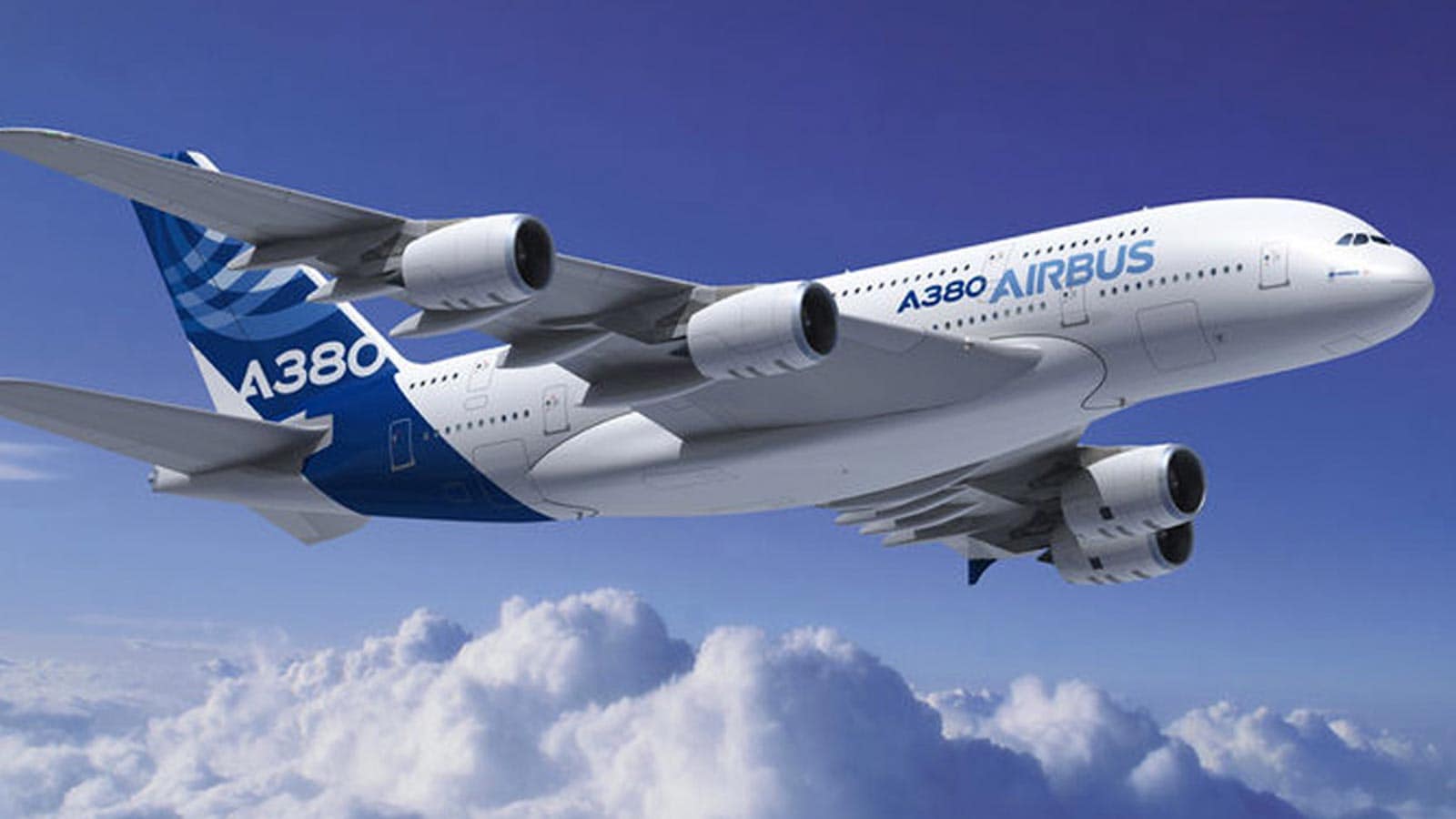
A commercial aircraft experienced a cockpit display failure shortly after takeoff on a flight to Bremen, Germany, prompting pilots to declare a mayday emergency and return to the departure airport, according to multiple aviation safety sources and airport operations reports. The incident, which occurred on June 12, 2024, involved a Lufthansa-operated Airbus A320 with approximately 150 passengers on board, though no injuries or serious incidents were reported. Authorities have confirmed the aircraft landed safely, and the airline has suspended the flight until further notice.
The failure of primary flight displays (PFDs) and navigation systems in the cockpit forced the crew to rely on backup instruments, raising immediate concerns about aviation safety protocols and the reliability of modern aircraft systems. The German Federal Bureau of Aircraft Accident Investigation (BFU) has launched a preliminary investigation, while the European Union Aviation Safety Agency (EASA) is reviewing the incident for potential wider industry implications. Lufthansa has stated that all technical checks are now complete and the aircraft has been cleared for service.
This incident follows a series of high-profile aviation safety concerns in 2024, including a separate cockpit display malfunction on a Boeing 737 MAX in March, which led to a temporary grounding of certain aircraft models. While no direct link has been established between the two events, aviation experts are scrutinizing whether software vulnerabilities or supply chain issues in aircraft components may be contributing to an uptick in such incidents.
–>
What Happened During the Flight?
According to the BFU’s initial statement, the cockpit screens failed approximately five minutes after takeoff from Munich Airport (MUC), forcing the crew to divert back to the same runway. The airline confirmed that the aircraft was operating under visual flight rules (VFR) at the time, meaning the pilots had visual reference to the ground, which likely aided in the safe return.
Passengers reported hearing an emergency announcement over the aircraft’s intercom system, though details remain limited due to privacy protocols. A spokesperson for Lufthansa told World Today Journal that the crew followed standard emergency procedures and that all passengers were safely deplaned. The airline has not yet disclosed whether the flight was delayed or canceled for subsequent passengers.
Industry analysts note that while cockpit display failures are rare, they can have severe consequences if not managed properly. The International Air Transport Association (IATA) reports that such incidents account for less than 0.01% of all flights, but the psychological impact on pilots—who must rely on backup systems—can be significant. The Federal Aviation Administration (FAA) has previously highlighted the importance of redundant systems in modern aircraft to mitigate such risks.
Why Did the Cockpit Screens Fail?
The exact cause of the failure remains under investigation, but preliminary reports suggest a software glitch or electrical fault in the aircraft’s avionics system. The Airbus A320, one of the world’s most widely used commercial jets, relies on dual-channel flight management systems to ensure redundancy. If both primary and backup systems fail simultaneously, pilots must follow strict emergency checklists provided by the manufacturer.
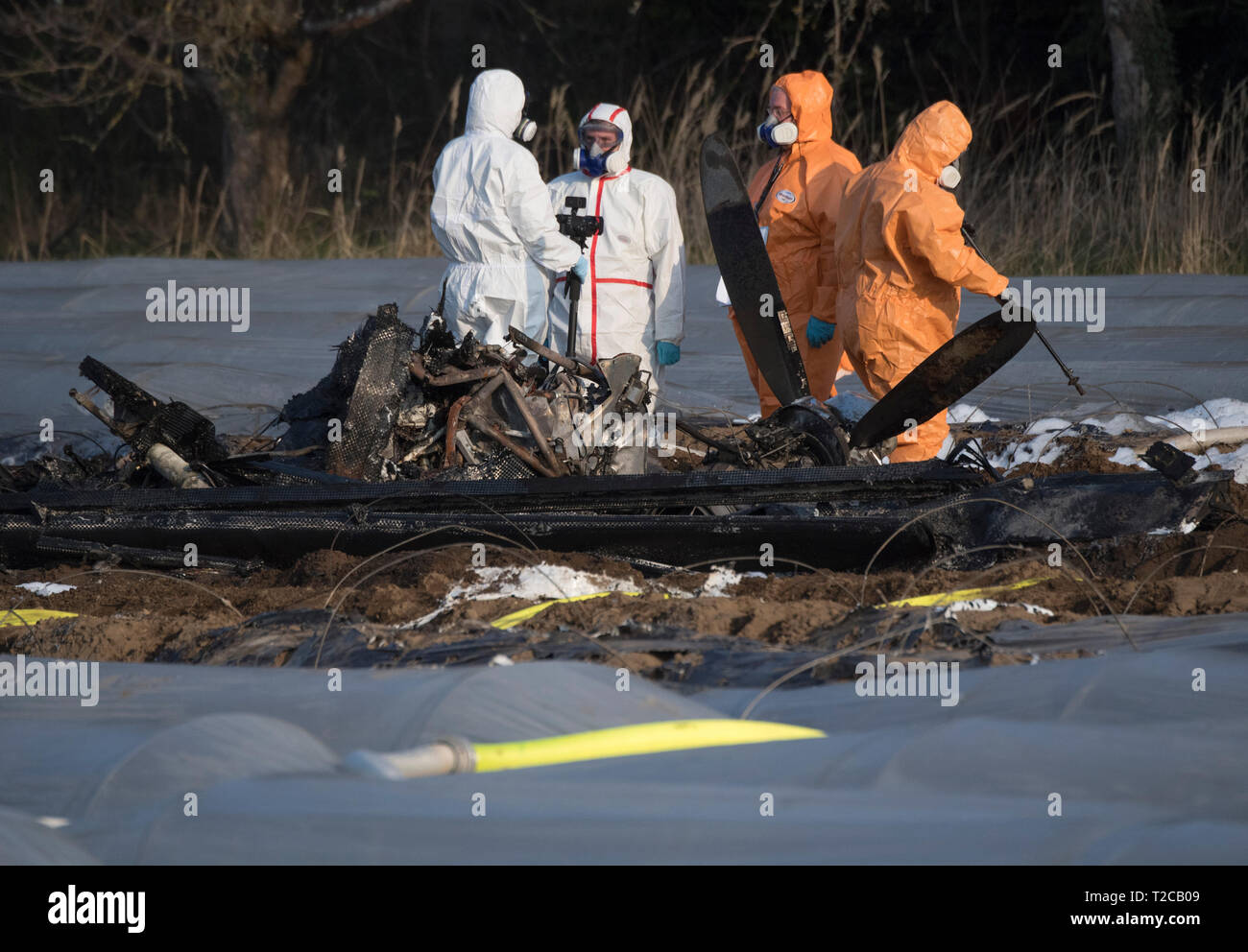
EASA officials have emphasized that no immediate safety concerns have been raised for other Airbus models, but the agency is reviewing the incident in coordination with Airbus and Lufthansa’s technical teams. A spokesperson for Airbus stated that the company is cooperating fully with the investigation and that no similar reports have been received for other A320 operators.
In a related development, the European Parliament’s Transport Committee has called for a review of aviation software certification processes following a series of incidents in 2023 and 2024. The committee’s chair, Karima Delli, told reporters that “the trust in our air transport systems must be restored”, adding that regulatory oversight of software updates and third-party suppliers needs strengthening.
How Common Are Cockpit Display Failures?
While the incident in Munich is the first publicly reported cockpit display failure involving a Lufthansa aircraft this year, similar issues have occurred in recent years. In 2022, a Norwegian Air Shuttle Boeing 737 experienced a primary flight display failure during a flight from Oslo to Copenhagen, though the crew managed to land safely using backup instruments. The National Transportation Safety Board (NTSB) later attributed the failure to a power supply issue in the aircraft’s avionics bay.
A comparison of recent incidents shows:
| Date | Aircraft | Operator | Cause (Investigated) | Outcome |
|---|---|---|---|---|
| March 2024 | Boeing 737 MAX | Southwest Airlines | Software corruption in PFD | Temporary grounding of affected models |
| June 2024 | Airbus A320 | Lufthansa | Electrical/software fault (under investigation) | Safe return to Munich |
| 2022 | Boeing 737 | Norwegian Air | Power supply failure | Safe landing with backup systems |
Experts argue that while such failures are extremely rare, the increasing complexity of fly-by-wire systems and integrated avionics means that even minor glitches can have disproportionate effects. The Boeing 787 Dreamliner, for example, has faced criticism over software vulnerabilities in its cockpit displays, though no major incidents have been linked to these issues.
What Are the Next Steps for Passengers and Airlines?
Lufthansa has assured passengers that the affected aircraft has undergone comprehensive technical checks and will return to service in the coming days. The airline has not issued any compensation offers at this stage, but passengers affected by the incident can contact Lufthansa’s customer service for assistance. The European Commission’s passenger rights directive entitles travelers to compensation if delays exceed three hours, though this would depend on the final investigation findings.

The BFU is expected to release a preliminary report within 30 days, while EASA may issue a safety directive if systemic issues are identified. In the meantime, aviation authorities are advising airlines to enhance crew training for cockpit display failures and to ensure that backup systems are fully functional before each flight.
For passengers concerned about aviation safety, the International Air Transport Association (IATA) provides a safety performance report annually, detailing incident rates across global airlines. The most recent report, published in 2023, showed that accident rates per million flights had fallen to 0.21, the lowest in aviation history. However, the rise in technical incidents involving avionics has prompted calls for greater transparency in reporting such events.
Key Takeaways: What This Incident Means for Aviation Safety
- Rare but critical: Cockpit display failures are uncommon but require immediate action to ensure pilot situational awareness.
- Redundancy matters: Modern aircraft rely on backup systems, but simultaneous failures remain a risk.
- Regulatory scrutiny: The incident may lead to stricter oversight of avionics software and supplier quality.
- Passenger rights: Delays may entitle travelers to compensation under EU regulations.
- Industry response: Airlines are reviewing training protocols for emergency procedures.
The next official update from the BFU is expected by July 12, 2024, at which point further details on the root cause may be released. In the meantime, aviation experts recommend that passengers remain informed about airline safety records and technical bulletins issued by regulators. For those affected by the incident, Lufthansa’s customer service contact details are available here.
Have you experienced a similar incident on a flight? Share your thoughts in the comments below, or follow World Today Journal for updates on aviation safety developments.
Keep reading