
Magician and mentalist James Phelan, nephew of the late television illusionist Paul Daniels, continues to draw audiences with his touring production, Showman. The show features a mix of psychological manipulation, telepathy, and classic magic, often relying on audience participation to execute its core routines. Currently, the production maintains a presence on the UK performance circuit, where it has received attention for its reliance on unscripted interaction with members of the public.
Phelan’s approach to performance, which he describes as mentalism, involves techniques often associated with neuro-linguistic programming and suggestive influence. During his performances, Phelan frequently invites attendees onto the stage to participate in experiments that appear to strip them of basic cognitive functions, such as the ability to count or recall personal information. These interactions form the structural backbone of Showman, serving as the lead-in to more complex illusions involving audience members seated in the auditorium.
The Mechanics of Mentalist Performance
The core of Showman relies on the unpredictability of human subjects. According to reports from various venue reviews, Phelan utilizes a combination of rapid-fire questioning and physical suggestion to create the illusion of thought-reading. One of the recurring segments involves Phelan guiding a participant to reveal the private thoughts of another audience member, a process that frequently prompts visible surprise from those involved. These segments are designed to blur the line between traditional stage magic and psychological performance art.
Critics and audience members alike often speculate on the use of “plants”—pre-selected audience members who are in on the act. However, Phelan has consistently positioned his work within the tradition of British stage magic, emphasizing the influence of his late uncle, Paul Daniels. Paul Daniels, who died in 2016, was a dominant figure in British television magic for decades, known for his long-running series The Paul Daniels Magic Show on the BBC. Phelan’s current work carries this legacy forward by focusing on the intimate, often high-stakes environment of a live theater setting.
Audience Interaction and Stage Craft
The success of a mentalist performance is contingent upon the performer’s ability to maintain control over the stage environment. In Showman, Phelan employs various methods to ensure the “dramatic climax” of his set functions as intended. This often involves selecting specific numbers or information from the crowd to complete a predetermined outcome. While the exact methodology remains proprietary to the performer, the reliance on audience-derived data is a hallmark of the mentalist genre.
The production style is designed to be accessible, moving away from the large-scale props of traditional stage magic in favor of psychological engagement. This shift mirrors a broader trend in modern magic where the focus has moved toward “close-up” or “parlor” style performances that emphasize the mental connection between the performer and the spectator. By keeping the audience at the center of the narrative, Phelan creates a dynamic where the observer is also a participant, heightening the perceived impact of the illusions.
Contextualizing the Legacy of Paul Daniels
James Phelan’s career is frequently discussed in the context of his family history. As the nephew of Paul Daniels, Phelan has been subject to increased scrutiny regarding his performance style and stage presence. Daniels, who was appointed an Officer of the Order of the British Empire (OBE) in 2008 for his services to entertainment, set a high bar for technical proficiency in the UK. Phelan’s decision to pursue mentalism rather than the classic “rabbit-out-of-a-hat” style magic represents a deliberate evolution of the family craft.

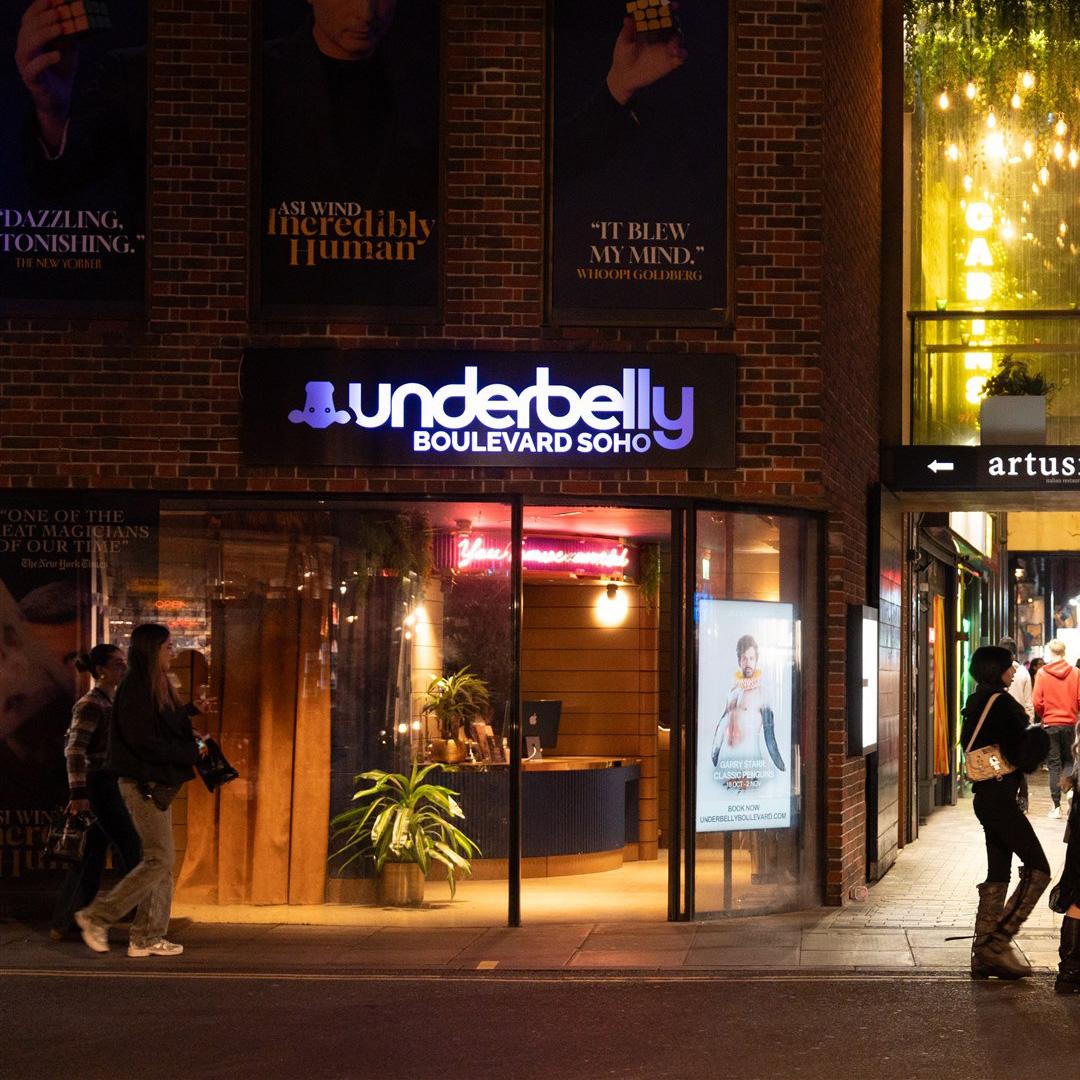
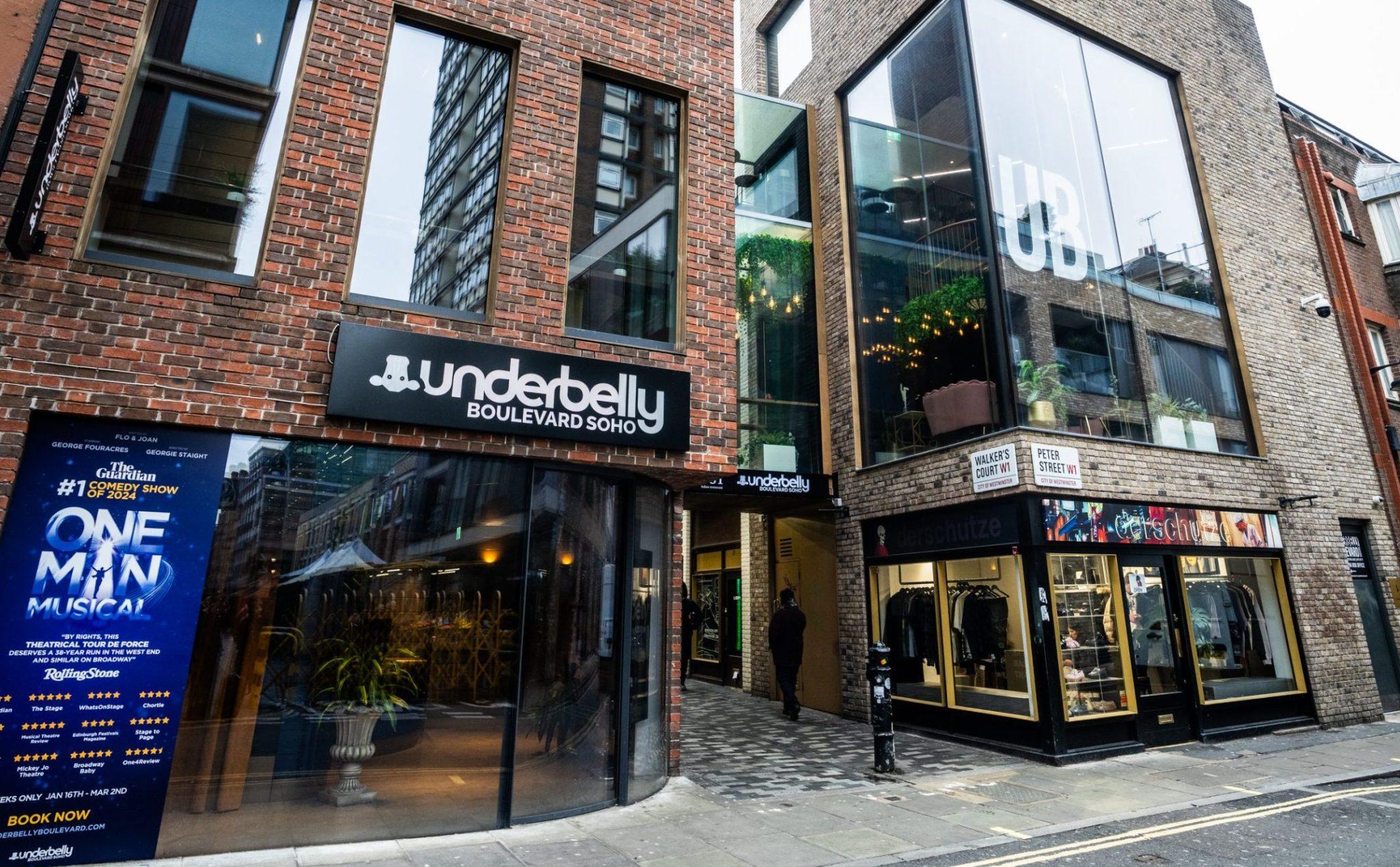
For those interested in the evolution of stage magic, the transition from the golden age of televised variety shows to today’s fringe-festival-style theater shows is significant. The intimacy of venues like the Underbelly, where Phelan has performed, allows for a level of scrutiny that television often masks through editing. In a live environment, the performer must rely on real-time adaptation, a skill that Phelan highlights as essential to the Showman experience.
What Happens Next
James Phelan continues to tour Showman at various venues throughout the United Kingdom. Interested parties can find official tour dates and ticket information directly through his official website. As with all live performance art, individual audience experiences may vary based on the participation of those selected from the crowd. Those planning to attend should be prepared for potential audience participation, which remains a central component of the production’s structure.
Have you seen James Phelan’s Showman or similar mentalist performances? Share your thoughts in the comments section below and join the discussion on the evolution of modern stage magic.
Worth a look