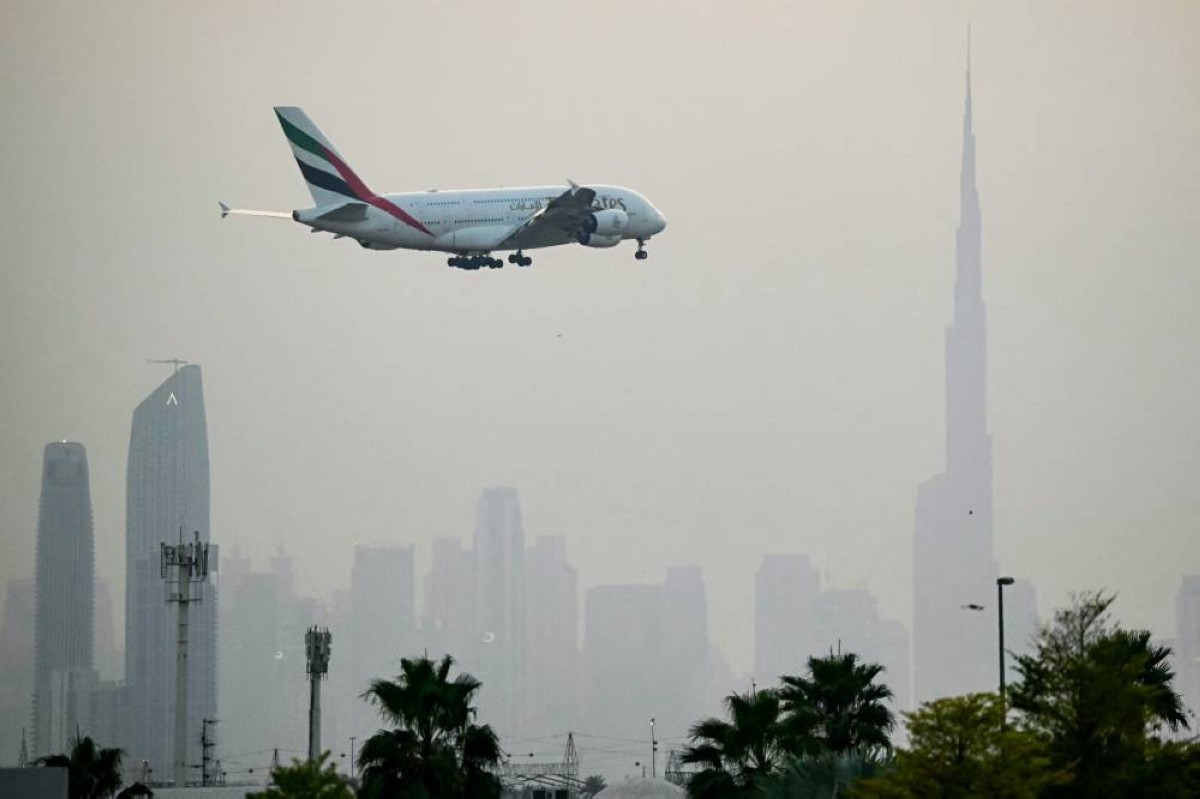
Dubai, United Arab Emirates – As of March 8, 2026, operations at Dubai International Airport (DXB) are steadily returning to normal, with an Airbus A380 aircraft operated by Emirates poised to land, marking a significant step in the airline’s resumption of full services. The move follows a temporary suspension of flights, prompting adjustments to the carrier’s extensive global network.
Emirates, a flagship carrier of the United Arab Emirates, has been working to restore its operations after a period of disruption. The airline’s website currently allows bookings to 94 destinations worldwide, demonstrating a commitment to reconnecting passengers across its international network. The phased resumption of flights comes as airspace in the region has partially reopened, allowing Emirates to gradually rebuild its schedule. The airline is actively working to fully restore its network to pre-disruption levels.
Emirates’ Network Expansion and Sustainable Aviation Initiatives
The resumption of normal operations at DXB coincides with Emirates’ broader strategic initiatives, including expansion into new markets and a growing focus on sustainability. Recently, Emirates announced plans to launch services to Santiago de Chile via São Paulo, further extending its reach in South America. This new route, announced by the Arab Air Carriers Organization (AACO), underscores the airline’s ambition to connect more passengers to destinations across the globe.
Beyond network expansion, Emirates is also prioritizing sustainable aviation practices. The airline recently signed a Memorandum of Understanding (MoU) with ENOC Group to explore the supply of Sustainable Aviation Fuel (SAF) in Dubai. This collaboration, as reported by AACO, aims to increase the availability and adoption of SAF, reducing the airline’s carbon footprint and contributing to a more sustainable future for air travel. SAF is seen as a crucial component in achieving the aviation industry’s emissions reduction targets.
Inside Emirates’ New A350 Aircraft
The return to full operations is also being marked by the introduction of new aircraft to the Emirates fleet. The airline has recently unveiled its first Airbus A350, featuring cutting-edge technology and enhanced passenger comfort. According to Siasat.com, the aircraft boasts 4K-cinematic screens and faster WiFi connectivity, promising an elevated in-flight experience for passengers. The A350 is expected to play a key role in Emirates’ long-haul operations, offering improved efficiency and reduced emissions.
The new A350 aircraft represents a significant investment in the passenger experience. The 4K-cinematic screens provide a high-quality entertainment option, while the faster WiFi allows passengers to stay connected throughout their journey. These enhancements are part of Emirates’ ongoing efforts to provide a premium travel experience and maintain its position as a leading global airline.
Challenges and Outlook for the Aviation Industry
While the resumption of operations at DXB and the introduction of new aircraft are positive developments, the aviation industry continues to face challenges. Geopolitical instability and fluctuating fuel prices remain significant concerns. The industry is also under increasing pressure to reduce its environmental impact and transition to more sustainable practices. Emirates’ investment in SAF and its adoption of fuel-efficient aircraft like the A350 demonstrate its commitment to addressing these challenges.
The partial reopening of airspace in the region has been crucial in allowing Emirates to restore its network. However, ongoing monitoring of the situation is essential to ensure continued operational stability. The airline is working closely with aviation authorities to navigate any potential disruptions and maintain a safe and reliable service for its passengers. The full restoration of airspace is vital for the long-term recovery of the aviation industry in the region.
Looking ahead, Emirates is focused on expanding its network, enhancing the passenger experience, and promoting sustainable aviation practices. The airline’s strategic investments in new aircraft, SAF, and innovative technologies position it for continued growth and success in the evolving aviation landscape. The airline’s commitment to innovation and sustainability will be key to navigating the challenges and opportunities that lie ahead.
Key Takeaways:
- Emirates is resuming full operations at Dubai International Airport (DXB) following a temporary suspension of flights.
- The airline is expanding its network with new routes, including services to Santiago de Chile via São Paulo.
- Emirates is investing in Sustainable Aviation Fuel (SAF) to reduce its carbon footprint.
- The airline has unveiled its first Airbus A350 aircraft, featuring enhanced passenger comfort and technology.
Passengers are encouraged to check the Emirates website for the latest flight schedules and travel advisories. The airline is committed to providing a safe and seamless travel experience for all its customers. Further updates on Emirates’ operations and sustainability initiatives will be available on the company’s official website and through its social media channels.
Worth a look