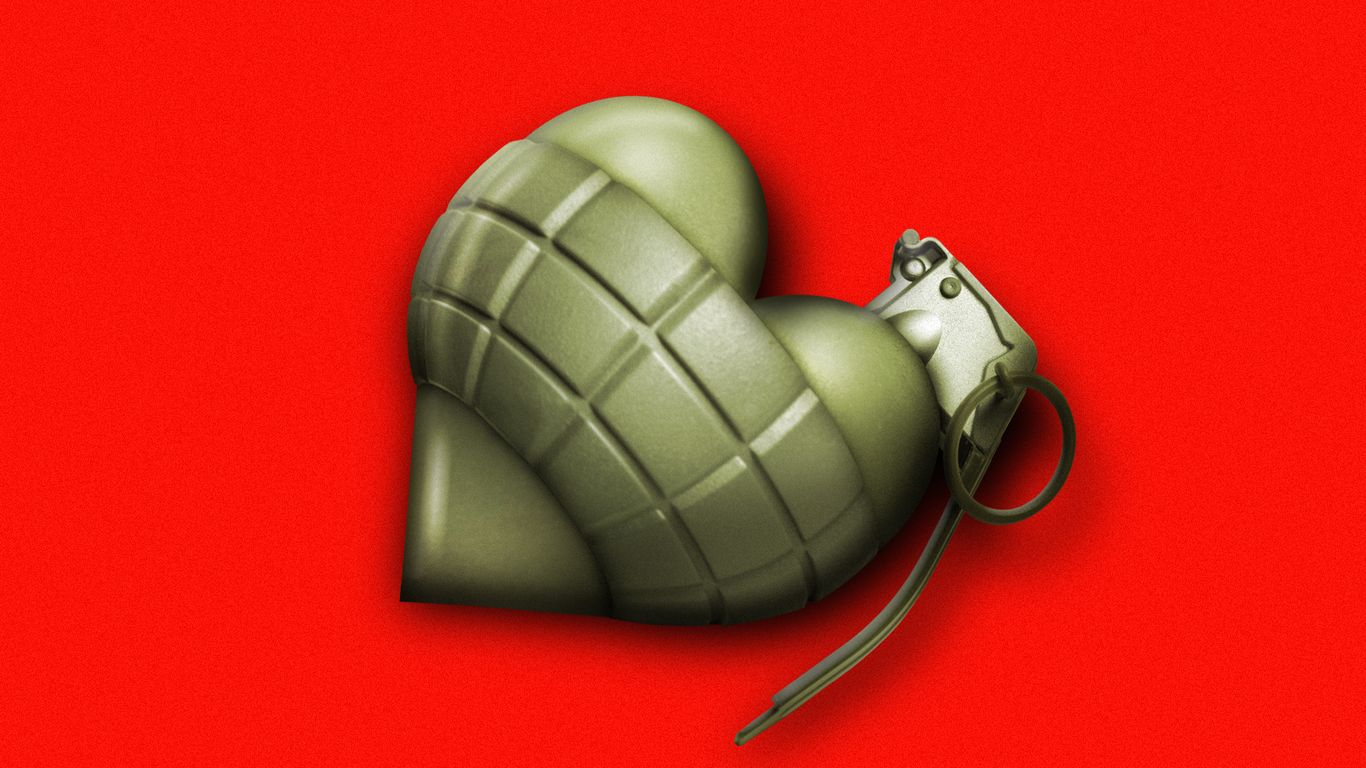
The Unexpected Backlash Against Empathy: A Deep Dive into a Growing Controversy
For decades, empathy has been lauded as a cornerstone of a healthy society – a moral value essential for connection and compassion. Yet, a surprising and increasingly vocal critique is emerging, questioning not just how we practice empathy, but whether itS inherently beneficial. From influential figures like elon Musk to a rising tide of conservative legislation, empathy is facing an unexpected backlash. Let’s explore this complex issue, examining its roots, the arguments against it, and what it means for the future of our social fabric.
A Shifting Perspective on a Core Value
Recent data reveals a captivating tension. A Public religion research Institute (PRRI) survey conducted in october found that a resounding 80% of U.S.adults view empathy as a moral value underpinning a thriving society. However, a notable 16% believe empathy is a hazardous emotion, undermining the foundations of a society guided by faith.
This divergence isn’t happening in a vacuum. consider these points:
* Conservative Criticism: A new wave of thought leaders are actively challenging the uncritical acceptance of empathy.
* High-Profile Voices: Elon musk, in a February discussion on Joe Rogan’s podcast, suggested Western empathy is being “weaponized” and contributing to civilizational decline - despite personally valuing the trait.
* Spiritual Concerns: Authors like those behind “The Sin of Empathy: Compassion and Its Counterfeits” argue empathy is spiritually detrimental.
The Rise of Anti-Empathy Sentiment in Policy
The debate isn’t confined to philosophical discussions. between 2021 and early 2023,legislators in at least 25 states introduced bills aimed at banning or restricting social-emotional learning (SEL) in K-12 schools. SEL programs explicitly teach empathy, cooperation, and vital social skills.
Thankfully,these efforts have so far been unsuccessful,facing strong opposition from educators and moderate religious groups. Though, the attempts themselves signal a growing discomfort with fostering empathy in young peopel.
faith Leaders Push Back
Many faith leaders strongly disagree with the emerging critique. Father brendan Busse, pastor of Dolores Mission catholic Church in los Angeles, calls the idea that empathy is a vulnerability “insane.” He points to the central tenets of Christian faith:
* The Suffering of Christ: The story of Jesus’s crucifixion inherently evokes empathy.
* Gospel Teachings: The call to help “the least of these” is a foundational principle.
Organizations like Homeboy Industries, the world’s largest gang intervention programme founded by Catholic priest Greg Boyle, and Repairers of the Breach, led by Bishop William J. Barber II, demonstrate empathy in action, tackling systemic issues like poverty and inequality. These groups actively use empathy as a driving force for positive change.
the Bible’s Complex Relationship with Empathy
The debate is further complicated by the Bible itself. Biblical scholar Dan McClellan, author of “The Bible says So: What We Get Right (and Wrong) About Scripture’s Most Controversial Issues,” highlights a crucial nuance. Scripture presents conflicting messages:
* In-Group Empathy: Some passages demonstrate empathy limited to one’s own ethnic or religious group, exemplified by stories like the conquest of Jericho.
* Universal Empathy: Conversely, other narratives champion universal empathy, extending compassion to all people – as seen in the Beatitudes and the parable of the Good Samaritan.
This internal tension suggests empathy isn’t a simple concept within the biblical framework.
Why the Sudden Shift? Understanding the Concerns
So, what’s driving this growing skepticism toward empathy? Several factors are likely at play:
* Political Polarization: In a deeply divided society, empathy can be perceived as siding with “the other side,” fueling resentment.
* “Victimhood Culture” Concerns: Some argue that an overemphasis on empathy can foster a culture of victimhood, hindering personal duty.
* Perceived Weakness: Empathy is sometimes equated with weakness, especially in contexts demanding strong leadership or decisive action.
* Weaponization of Empathy: As musk suggests, empathy can be manipulated for political gain, leading to distrust.
Navigating the Nuances
Related reading