ACA premiums Soar: What Employers Need to know About Rising Healthcare Costs
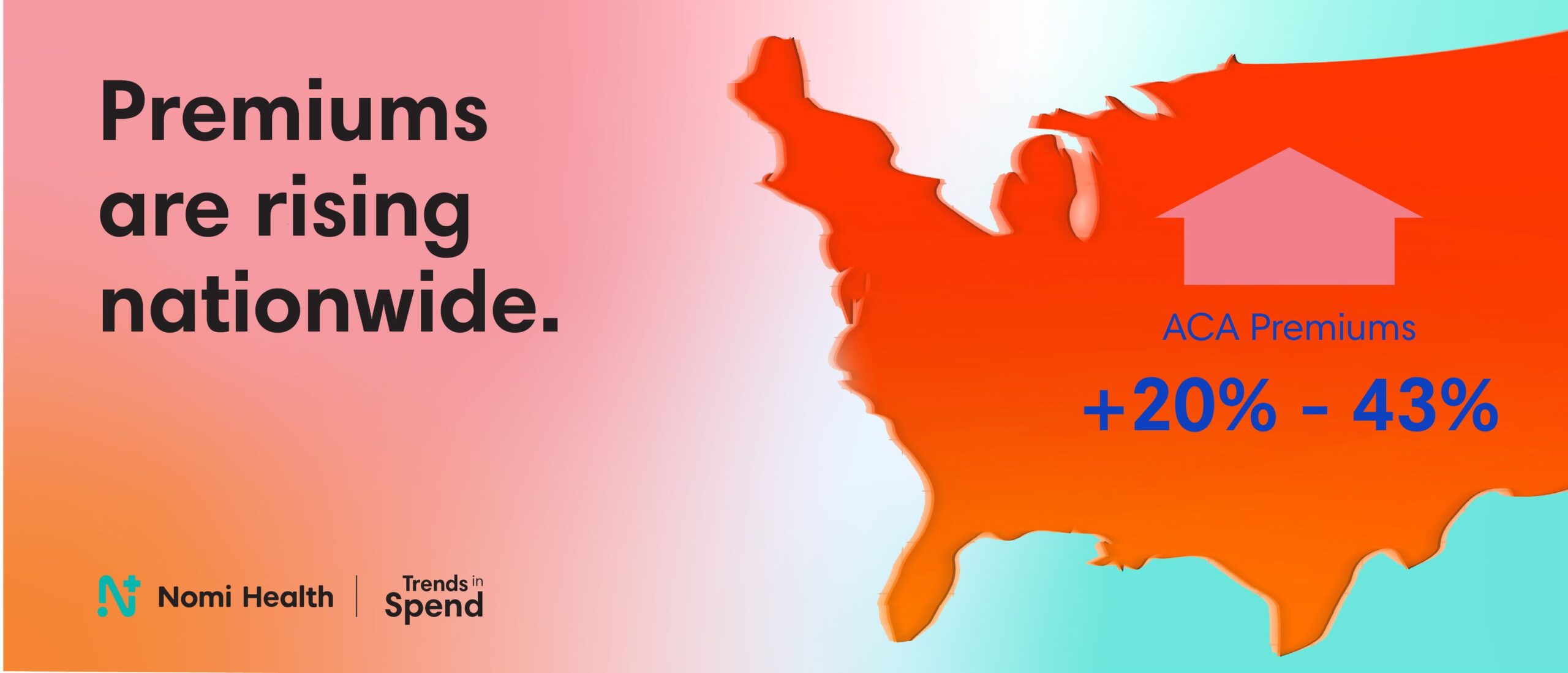
Recent filings reveal a concerning trend: Affordable Care Act (ACA) premiums are jumping significantly for 2026. molina Healthcare is requesting a 41% increase in Florida, while UnitedHealthcare seeks a 43% hike in Georgia. Even traditionally stable Blue Cross Blue Shield plans are proposing increases exceeding 20% in multiple states. But what’s driving these dramatic increases, and what does it mean for your company’s healthcare costs?
New data from Nomi Health sheds light on this complex issue, revealing a stark contrast between the ACA market and employer-sponsored plans. Let’s break down the key factors and what you can do to navigate this evolving landscape.
ACA Rate hikes: Utilization,Risk,and Inflation
Insurers point to a confluence of factors justifying these substantial premium increases. Rising patient utilization – meaning more people are seeking care – is a primary driver. Worsening risk pools, where a higher proportion of members have meaningful health needs, also contribute. general price inflation within the healthcare system is adding to the pressure.
Here’s a snapshot of the requested increases:
* Florida: Molina Healthcare – 41%
* Georgia: UnitedHealthcare – 43%
* Texas: UnitedHealthcare – 39%
* Multiple States: Blue Cross Blue Shield plans – over 20%
These numbers are alarming, but are they representative of the broader healthcare market? The answer, according to self-funded plan data, is surprisingly no.
Self-Funded plans Show a Different Picture: Stability Prevails
Nomi Health analyzed 12 months of real-world claims data from over 20 million lives covered by its nationwide self-funded employer clients. The findings paint a picture of a far more stable healthcare market than ACA premium filings suggest.
Here’s what the data revealed:
* Medical Spend: Increased by just 1.75% per member per month.
* Claim Volume: Actually decreased by 2.17% per 1,000 members.
* Pharmacy Spend: Rose 8.64% per member per month, largely due to the anticipated growth in medications like GLP-1s for diabetes and weight management.
Importantly, this stability held true even in states experiencing the most significant ACA increases. Consider these comparisons:
* Florida: 0.35% medical cost increase (vs. ACA carriers seeking up to 41%).
* Texas: 1.8% increase (vs. ACA carriers seeking up to 39%).
* Georgia: 4.08% increase (vs. ACA carriers seeking up to 43%).
This divergence raises a critical question: can this stability last, or is a broader market shift on the horizon?
The Potential for Spillover: A Warning for Employers
while the current stability in self-funded plans is encouraging, it doesn’t guarantee future success. The significant stress in the ACA market could spill over into commercial contracts, ultimately driving up costs for all employers.
Here’s how:
* Rising Uninsured Rates: Spiking ACA premiums may lead to more individuals losing coverage.
* Cost Shifting: Providers frequently enough offset uncompensated care (treating patients without insurance) by increasing rates for all payers, including self-funded employers.
* Financial Impact: Industry analysts estimate that each of the 179 million americans with job-based coverage could see annual costs rise by $182 to $485.
Therefore, proactive management is crucial. You need to stay informed, monitor for early warning signs, and protect your plan from external pressures.
What Can You Do? Take Control of Your Healthcare Dollars
Employers who actively manage their healthcare data and costs are best positioned to navigate this challenging environment. Here are key steps you can take:
* Data Openness: Gain a clear understanding of your company’s specific claims data. Don’t rely solely on industry averages.
* Vigilant Monitoring: Watch for early signs of spillover, such as network contract disputes or unexpected pricing increases.
* Proactive Planning: Explore strategies to mitigate
Keep reading