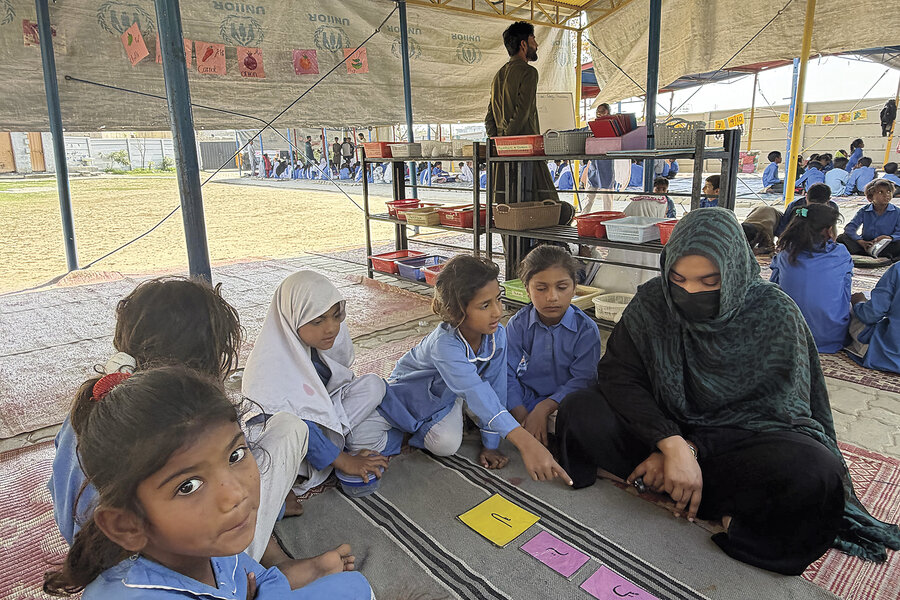
In the densely populated urban centers and the remote, underserved peripheries of Pakistan, a quiet crisis is unfolding—one that threatens to stall the nation’s economic trajectory for generations. For millions of children, the classroom is not a daily reality, but a distant luxury. This gap in formal education is not merely a social failing; We see a profound economic bottleneck that hampers human capital development and long-term stability.
However, amidst the systemic challenges of the Pakistani education landscape, new models of intervention are emerging. Pehli Kiran, a nonprofit organization, is working to bridge this divide by deploying a specialized approach designed for the most vulnerable. By utilizing mobile infrastructure and implementing tailored lesson plans, the organization seeks to bring the “first ray of light”—education—directly to those the traditional system has left behind.
As a business editor observing global market trends, I view the education gap through the lens of economic resilience. A nation’s ability to transition into a high-value, knowledge-based economy is inextricably linked to its literacy rates and the technical proficiency of its youth. When a significant portion of the population is excluded from formal learning, the resulting loss in potential productivity is a drag on the entire macroeconomic ecosystem.
The Macroeconomic Cost of the Education Gap
The scale of the challenge in Pakistan is immense. According to data from UNICEF, Pakistan faces one of the most significant out-of-school child crises globally. Estimates suggest that tens of millions of children are currently missing out on basic primary and secondary education. This is not just a humanitarian concern; it is a structural economic vulnerability.
From a developmental economics perspective, this phenomenon creates a cycle of low productivity and high dependency. When children remain out of school, they are often funneled into low-skill, informal labor markets. This limits their lifetime earning potential and, by extension, reduces the national tax base and consumer spending power. The lack of an educated workforce discourages foreign direct investment (FDI) in sectors that require higher levels of technical competence, such as technology, advanced manufacturing, and services.
The implications of this “human capital deficit” are profound. A demographic dividend—where a large, young population drives economic growth—can only be realized if that population is healthy, skilled, and educated. Without targeted interventions, a large youth population can instead become a source of social and economic instability.
Breaking Barriers with Mobile Infrastructure
Traditional educational models often rely on fixed brick-and-mortar institutions. While essential, these structures can be inaccessible to families living in extreme poverty, nomadic communities, or rapidly shifting urban informal settlements. The cost of transport, the distance to the nearest school, and the instability of residency often act as insurmountable barriers to enrollment.
This is where the Pehli Kiran model offers a strategic pivot. By employing mobile infrastructure, the nonprofit bypasses the logistical hurdles that typically prevent marginalized children from accessing consistent schooling. This “school-on-the-move” approach allows educational services to follow the community, rather than requiring the community to navigate a complex and often hostile journey to reach the service.
This flexibility is critical for several reasons:
- Reduced Opportunity Cost: For families living on the edge of subsistence, the time spent traveling to a school is time lost from essential household or labor activities. Mobile units bring the classroom to the doorstep.
- Increased Stability: For communities in transition or those facing environmental displacement, mobile units provide a consistent educational touchpoint that does not depend on permanent land tenure.
- Localized Delivery: Mobile units can be deployed to specific “hotspots” of educational need, allowing for a more efficient allocation of resources in high-density, low-access areas.
Tailored Learning: Beyond Basic Literacy
Access to a classroom is only the first step; the quality and relevance of the curriculum determine the long-term impact. One of the core components of the Pehli Kiran strategy is the use of tailored lesson plans. Standardized curricula often fail to account for the specific cognitive levels, linguistic backgrounds, or socio-economic realities of out-of-school children, many of whom may have missed several years of foundational learning.
Tailored instruction allows for “remedial acceleration”—a process where students can catch up on foundational concepts at a pace that suits their current level before moving on to more complex topics. This prevents the frustration and high dropout rates that often occur when students are placed in age-appropriate but level-inappropriate classrooms.
From a technical standpoint, this approach focuses on building the core competencies required for both further formal education and functional literacy. By focusing on high-impact learning outcomes, these programs aim to ensure that the time spent in the mobile classroom translates into tangible, usable skills.
The Path Toward Economic Integration
The ultimate goal of these educational interventions is the integration of marginalized youth into the broader economy. As global markets increasingly demand digital literacy and specialized vocational skills, the window of opportunity for these children is narrowing. The work being done by organizations like Pehli Kiran is a critical component of the broader effort to build a more inclusive economic framework in Pakistan.
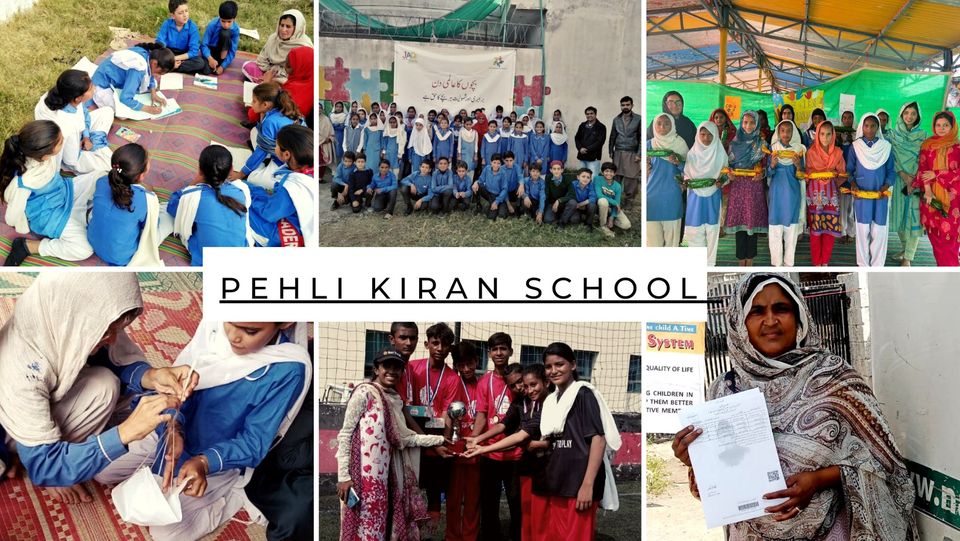
When we discuss “social impact,” we must also discuss “economic impact.” Every child who moves from a state of illiteracy to functional competency represents a step toward increased labor market participation and reduced reliance on social safety nets. For the private sector, a more educated populace means a more capable workforce and a more robust domestic market.
Investment in non-traditional education models is not merely an act of philanthropy; it is a strategic necessity for the long-term health of the Pakistani economy. As we look toward the future, the ability of the state and the nonprofit sector to collaborate on scalable, mobile, and adaptive educational solutions will likely determine the nation’s ability to harness its greatest asset: its people.
Key Takeaways: The Economic Imperative of Education
| Factor | Impact of Low Education Rates | Impact of Improved Educational Access |
|---|---|---|
| Labor Productivity | Low; reliance on subsistence and informal labor. | High; transition to skilled, technical, and service roles. |
| Economic Stability | High volatility; limited tax base and consumer demand. | Greater resilience; expanded middle class and tax revenue. |
| Human Capital | Stagnant; “demographic disaster” risk. | Dynamic; “demographic dividend” potential. |
| Social Mobility | Low; intergenerational poverty cycles. | High; breaking of poverty cycles through skill acquisition. |
As the global community continues to monitor the development goals of South Asia, the success of these localized, mobile educational models will serve as a vital case study. The ability to reach the “unreachable” is no longer just a social goal—it is an economic requirement.
Next Checkpoint: We will continue to monitor official reports from the Pakistan Ministry of Education and international development agencies regarding updated out-of-school child statistics and the efficacy of mobile learning initiatives.
What are your thoughts on the role of mobile infrastructure in solving global education gaps? We invite our readers to share their insights and perspectives in the comments below.
Keep reading