
For millions of women worldwide, the struggle with endometriosis is a quiet, often isolating battle against chronic pain and systemic medical neglect. For too long, the symptoms of this complex condition have been dismissed as “normal” menstrual discomfort, a misconception that has contributed to a global epidemic of delayed diagnoses and inadequate treatment. However, a recent international movement is working to transform this silence into a loud, unified call for medical equity and specialized care.
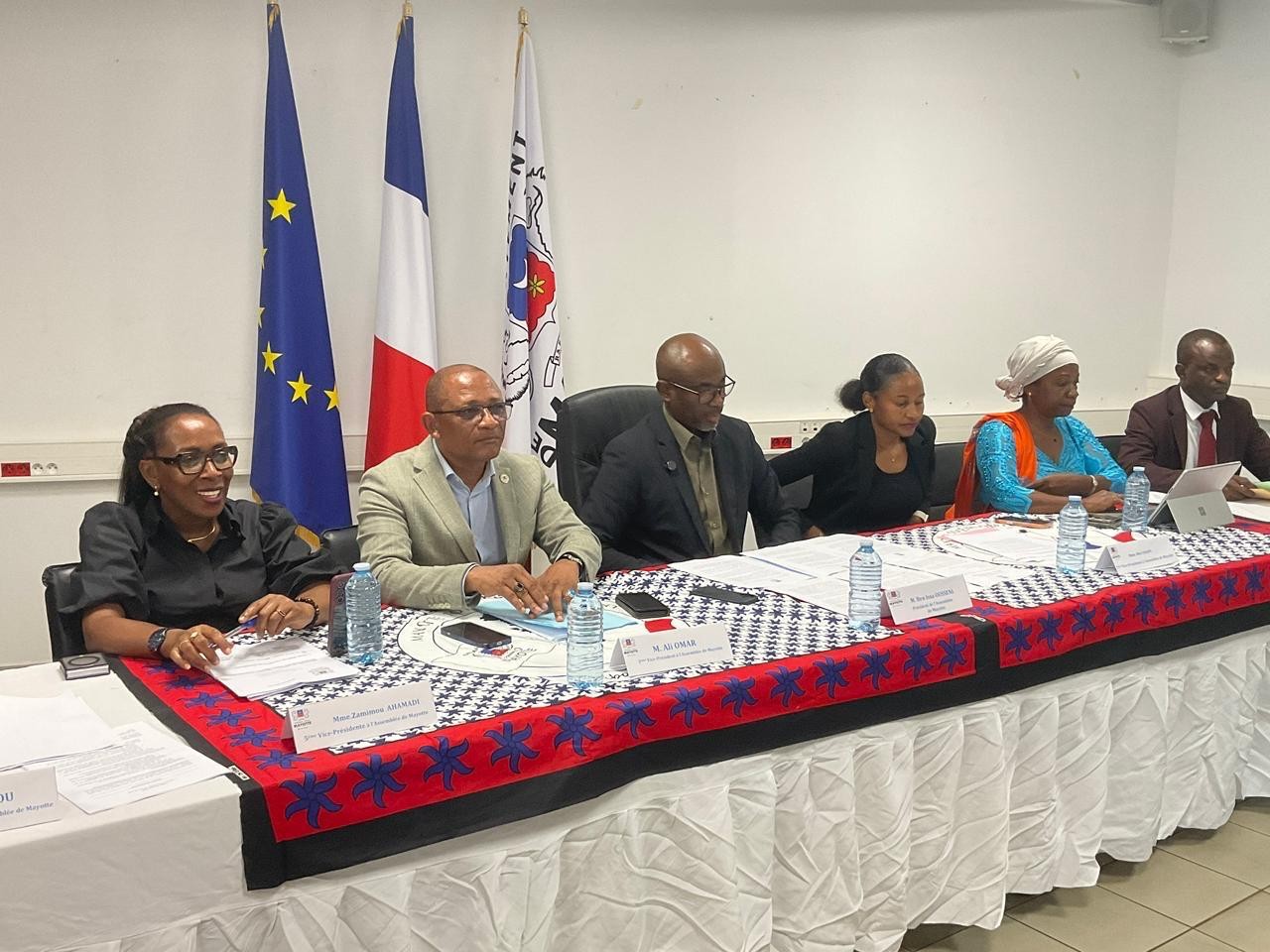
A pivotal international roundtable, titled “Endométriose : une table ronde internationale pour briser le silence et unir les territoires,” has brought together medical professionals, patient advocates, and policymakers to address a critical gap in women’s healthcare. The discussion centered on a fundamental truth: the quality of care a patient receives should not be determined by their geographic location. This is particularly urgent in regions like Mayotte, where the intersection of medical resource scarcity and geographic isolation creates significant barriers to managing endometriosis.
As the medical community moves toward more integrated and empathetic approaches to reproductive health, the roundtable serves as a blueprint for “uniting territories.” By bridging the gap between mainland medical advancements and the specific needs of overseas territories, experts hope to establish a more equitable standard of care that leaves no patient behind.
The Silent Struggle: Understanding the Endometriosis Epidemic
Endometriosis is a condition where tissue similar to the lining of the uterus—the endometrium—grows outside the uterine cavity. This displaced tissue can attach to the ovaries, fallopian tubes, intestines, and other pelvic structures. Because this tissue responds to hormonal cycles, it thickens and bleeds during menstruation, but because it has no way to exit the body, it becomes trapped, causing inflammation, scarring, and intense pain.
The clinical presentation of endometriosis is notoriously varied, which often complicates the diagnostic process. Common symptoms include severe dysmenorrhea (painful periods), chronic pelvic pain, dyspareunia (painful intercourse), and infertility. For many, the pain is not merely a monthly occurrence but a debilitating, daily reality that affects mental health, career stability, and quality of life. From a clinical perspective, the complexity of the disease requires a multidisciplinary approach involving gynecologists, pain specialists, and even pelvic floor physiotherapists.
One of the most significant hurdles in the fight against endometriosis is the “diagnostic delay.” Medical literature frequently cites that it can take anywhere from seven to ten years for a patient to receive an accurate diagnosis after the onset of symptoms. This delay is often fueled by a lack of provider awareness, the normalization of menstrual pain, and the requirement of invasive procedures, such as laparoscopy, to confirm the presence of lesions. Reducing this window of uncertainty is a primary goal for international health organizations aiming to improve long-term patient outcomes.
Addressing the Territorial Divide: The Case of Mayotte
The roundtable’s emphasis on “uniting territories” highlights a growing concern in global public health: the disparity in specialized medical access between metropolitan centers and overseas territories. In Mayotte, a French overseas department in the Indian Ocean, the challenges of managing a complex disease like endometriosis are magnified by unique socio-economic and geographic factors.
In many remote or overseas regions, there is a marked shortage of specialized gynecologists and surgeons trained in the advanced laparoscopic techniques required to treat endometriosis effectively. This scarcity often leads to a reliance on generalist care, which may be sufficient for routine gynecological issues but is often inadequate for the management of advanced endometrial disease. When patients in these territories face long wait times or must travel vast distances to access specialized centers, the risk of disease progression and permanent complications, such as infertility or bowel obstruction, increases significantly.
the “territorial” aspect of the discussion touched upon the need for decentralized expertise. Rather than requiring all patients to migrate to major medical hubs, the roundtable advocated for the strengthening of local healthcare infrastructures. This includes better training for local practitioners, the implementation of telemedicine to consult with specialists, and the establishment of standardized diagnostic protocols that can be applied even in resource-limited settings. By treating healthcare access as a matter of territorial equity, the initiative seeks to ensure that a patient in Mayotte receives a standard of care comparable to one in Paris or Berlin.
Breaking the Silence: The Role of Advocacy and Education
A central theme of the international dialogue was the necessity of “breaking the silence.” For decades, the stigma surrounding reproductive health and menstrual pain has prevented open discussion, making it tough for patients to seek help and for researchers to secure funding. This silence has a tangible impact on public health policy and the allocation of medical research budgets.

Patient advocacy groups have been instrumental in shifting this narrative. By sharing lived experiences, these organizations have humanized the data, turning abstract statistics about pain and infertility into a compelling case for systemic change. This grassroots movement has successfully pressured governments and health institutions to recognize endometriosis not just as a “women’s issue,” but as a significant public health priority that requires dedicated funding and specialized research.
Education must occur on two fronts: the patient and the provider. For patients, education involves recognizing the warning signs of endometriosis and understanding that severe menstrual pain is not a normal part of life. For healthcare providers, it requires a shift in training curricula to include more robust instruction on the early identification of endometriosis and the management of chronic pelvic pain. When providers are equipped with the knowledge to listen to and validate patient concerns, the diagnostic delay can be significantly reduced.
Key Takeaways: The Path Forward for Endometriosis Care
- Standardization of Care: There is an urgent need for unified diagnostic and treatment protocols that can be implemented across both metropolitan and overseas territories to ensure equity.
- Reducing Diagnostic Delay: Increasing provider awareness and implementing non-invasive screening tools are essential to shortening the years-long gap between symptom onset and diagnosis.
- Empowering Local Infrastructure: Strengthening healthcare in regions like Mayotte through specialized training and telemedicine is critical to overcoming geographic barriers.
- Multidisciplinary Approach: Effective management of endometriosis requires a team-based model, integrating gynecological surgery, pain management, and psychological support.
- Policy and Funding: Breaking the silence requires sustained political will to increase research funding and integrate endometriosis care into broader public health strategies.
Conclusion: A Unified Front for Reproductive Health
The international roundtable marks a significant step toward a more inclusive and effective approach to endometriosis. By focusing on the intersection of medical innovation and geographic equity, the initiative recognizes that true progress in women’s health is only achieved when care is accessible to all, regardless of territory. The mission to “unite territories” is not just a logistical goal; it is a commitment to the fundamental principle that health is a universal right.
As we move forward, the success of these efforts will be measured by the ability to translate these high-level discussions into local clinical realities—ensuring that the next patient in Mayotte or any other remote territory can find a diagnosis, a voice, and a path to healing without delay.
Next Steps: Monitoring the implementation of new medical training protocols in overseas territories and upcoming regional health policy updates will be essential to tracking the progress of these initiatives.
We invite our readers to join the conversation. Have you or your loved ones faced challenges in accessing specialized care? Share your thoughts and experiences in the comments below to help us foster a more informed global community.
Related reading