
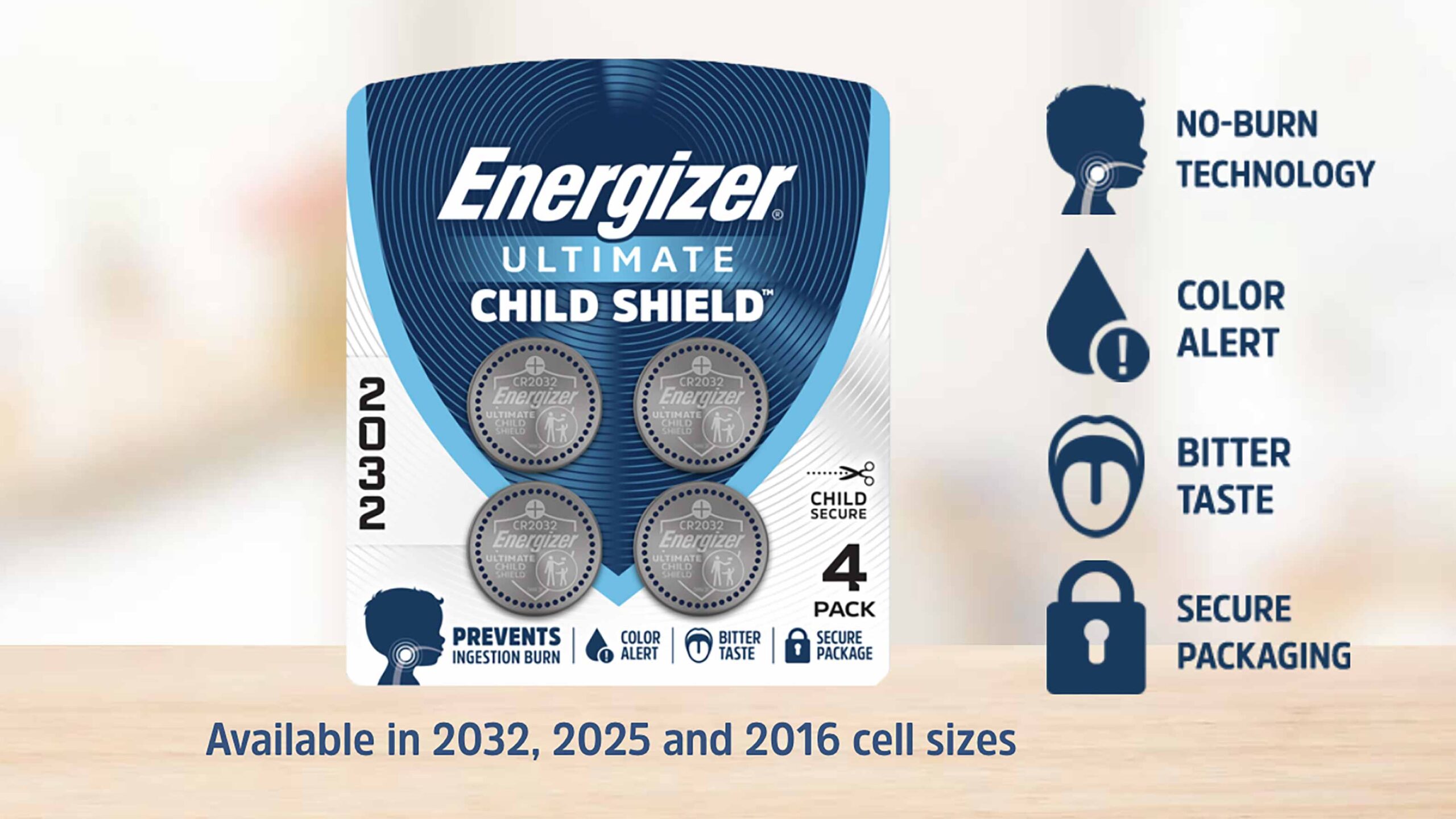
New child-safety technology for coin-cell batteries shows promise in reducing the risk of severe tissue injury, but medical professionals advise that accidental ingestion remains a critical pediatric emergency. Recent peer-reviewed research indicates that the titanium-based lithium coin-cell battery, the Energizer Ultimate Child Shield, can reduce the severity of tissue injury.
When a child swallows a button battery, the device can become lodged in the esophagus, where it creates an electrical current upon contact with moist tissue. This process generates hydroxide, which causes rapid, caustic tissue destruction. This chemical reaction can lead to severe injury, including esophageal perforation, within as little as two hours.
Understanding New Battery Safety Features
The recent scientific evaluation focused on the performance of the Energizer Ultimate Child Shield. Researchers found that the titanium-based lithium coin-cell battery, designed to protect the esophagus, can reduce the severity of tissue injury. The study suggests that while these batteries may slow the rate of tissue damage, they do not neutralize the electrical danger entirely.

Medical experts emphasize that the presence of a “child-safe” label does not change the standard of care for a suspected ingestion. Medical professionals should not alter their management protocols yet.
Why Ingestion Remains a Medical Emergency
The primary danger of coin-cell batteries lies in their ability to complete an electrical circuit. Even if a battery contains technology intended to act as a barrier or a deterrent, the potential for a fatal outcome persists if the object remains in the body. Clinical protocols remain focused on rapid identification and removal rather than relying on the battery’s design to prevent harm.

Button batteries are frequently found in common household items such as remote controls, toys, and greeting cards. Because these devices are small and often easily accessible to children, parents and caregivers are urged to secure battery compartments with screws or tape and keep loose batteries out of reach.
Physicians follow strict guidelines when a patient presents with a suspected battery ingestion. These protocols include:
- Immediate triage and stabilization of the pediatric patient.
- Radiographic confirmation of the battery’s location in the digestive tract.
- Endoscopic removal by a specialist if the battery is lodged in the esophagus.
- Monitoring for long-term complications, such as fistula formation or strictures, even after the battery is removed.
The medical community continues to monitor long-term outcomes of these newer, safety-shielded batteries. However, until further clinical data confirms a significant reduction in patient morbidity, medical professionals continue to advocate for the same urgent treatment path for all battery-related ingestion cases.
Next Steps for Caregivers and Policy
While industry innovation aims to lower the risk of injury, public safety remains dependent on prevention. Regulatory bodies continue to update packaging and labeling requirements to ensure that consumers are aware of the risks. Caregivers are encouraged to check official government safety databases periodically for updates on product recalls or new safety standards related to small electronics.
Public health officials expect further discussions on battery safety standards at upcoming safety summits and regulatory hearings later this year. Readers are encouraged to share their experiences or questions regarding household safety in the comments section below, and to consult their local pediatrician for specific advice on securing their home environment.