
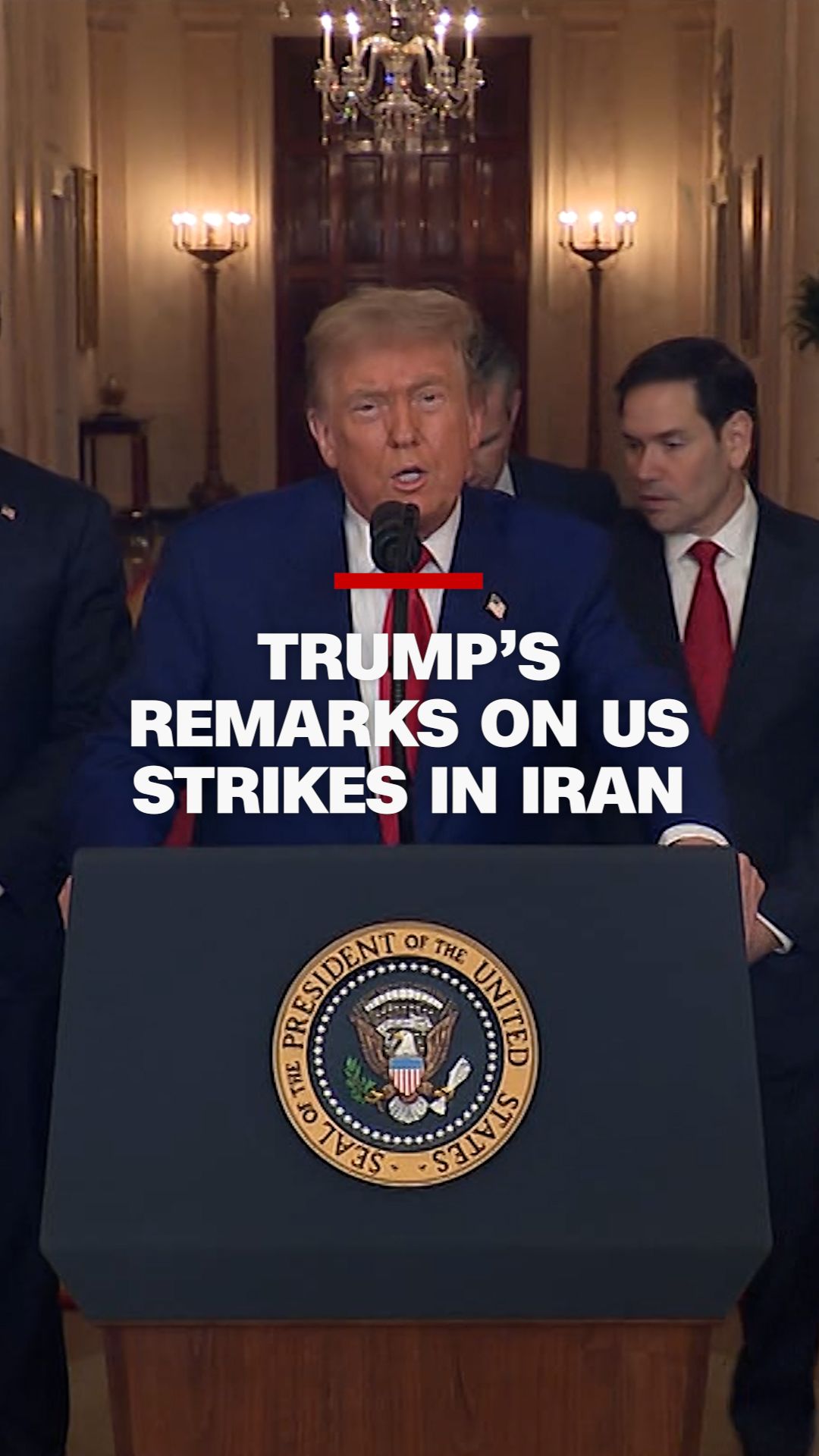
U.S. President Donald Trump has indicated he is reviewing a new peace proposal from Iran to conclude the ongoing conflict, although simultaneously warning that the United States remains prepared to resume military strikes if Tehran fails to comply with necessary terms. The statements, delivered over the weekend, signal a precarious balance between diplomatic overtures and the threat of escalated force as the conflict enters a critical phase.
Speaking to reporters on Saturday, May 2, 2026, at Palm Beach International Airport in West Palm Beach, Florida, President Trump stated he had been informed of the concept of a deal
with Iran but noted he was still waiting for the exact wording of the proposal. Despite the potential for a diplomatic breakthrough, the President cautioned that there is still the possibility of restarting strikes on the country if Tehran misbehaves
. CNBC reporting confirmed these remarks were made before the President boarded Air Force One for Miami.
The current diplomatic tension follows a period of high volatility. On Friday, May 1, President Trump told reporters at the White House that he was not satisfied
with a new offer from Iran intended to end its war with the United States and Israel. This dissatisfaction comes despite reports from Iranian state media that a new proposal for peace talks had been delivered to the U.S. Via Pakistan, acting as a mediator. National Post coverage highlighted that negotiations had remained largely frozen despite a weeks-long ceasefire.
The War Powers Resolution and the Ceasefire Timeline
The timing of these developments is closely tied to U.S. Legislative deadlines. On May 1, President Trump informed Congress that hostilities in Iran have terminated
since the imposition of a two-week ceasefire on April 7, which has since been extended. This notification coincided with a critical deadline under the War Powers Resolution of 1973, which would have required the President to either ask Congress to declare war against Iran or authorize the use of military force. According to CNBC, the President’s claim that hostilities had terminated effectively bypassed the necessitate for such a Congressional authorization at that moment.
The ceasefire period has been fragile. Earlier in the conflict, on March 26, 2026, President Trump paused attacks on Iranian energy plants for 10 days at Tehran’s request, suggesting at the time that talks were going well
. However, that optimism was short-lived, and the U.S. Military has since reported striking over 10,000 targets to degrade Iran’s military capabilities. Reuters reported that these strikes were part of a broader effort to limit Tehran’s operational capacity before returning to the negotiating table.
Economic Pressure and the Strait of Hormuz Blockade
A central pillar of the current U.S. Strategy is the use of economic leverage through a naval blockade of Iranian ports. President Trump has described the blockade of the Strait of Hormuz as incredible
, asserting that it is working to crash the Iranian economy. Bloomberg reports that the President intends to maintain this maritime pressure until Iran agrees to a comprehensive nuclear deal.

The blockade has had significant global repercussions, contributing to soaring energy prices. On April 30, 2026, NBC News reported that energy prices had climbed to a 4-year high as the standoff persisted. While the administration views the blockade as the best option to force Iran back to the table without restarting full-scale military strikes, analysts have warned that Iran may have enough oil storage to withstand the pressure for at least a month or longer, potentially delaying the intended economic impact. CNBC analysts noted this window allows Tehran to ramp down production without damaging its oil fields.
Key Strategic Developments
- Diplomatic Route: A new proposal delivered via Pakistan is currently under review by the White House, though the President has expressed initial dissatisfaction with the terms.
- Military Posture: The U.S. Maintains a state of readiness to resume strikes, using the threat of force as a counterweight to diplomatic negotiations.
- Economic Warfare: The naval blockade of the Strait of Hormuz remains active, aimed at inducing economic collapse within Iran to secure a nuclear agreement.
- Legislative Status: The administration has utilized the ceasefire status to manage requirements under the War Powers Resolution of 1973.
What Happens Next
The immediate future of U.S.-Iran relations depends on whether the “exact wording” of the Iranian proposal satisfies President Trump’s requirements for a deal. With the blockade continuing to strain global energy markets and the threat of renewed strikes looming, the window for a diplomatic resolution remains narrow.
The next critical checkpoint will be the White House’s formal response to the Pakistani-mediated proposal and any subsequent updates regarding the extension or termination of the current ceasefire. Official updates are expected as the administration determines if the proposal constitutes a viable path toward a permanent end to the conflict.
World Today Journal encourages readers to share this report and join the discussion in the comments below regarding the impact of the Hormuz blockade on global energy stability.
Worth a look