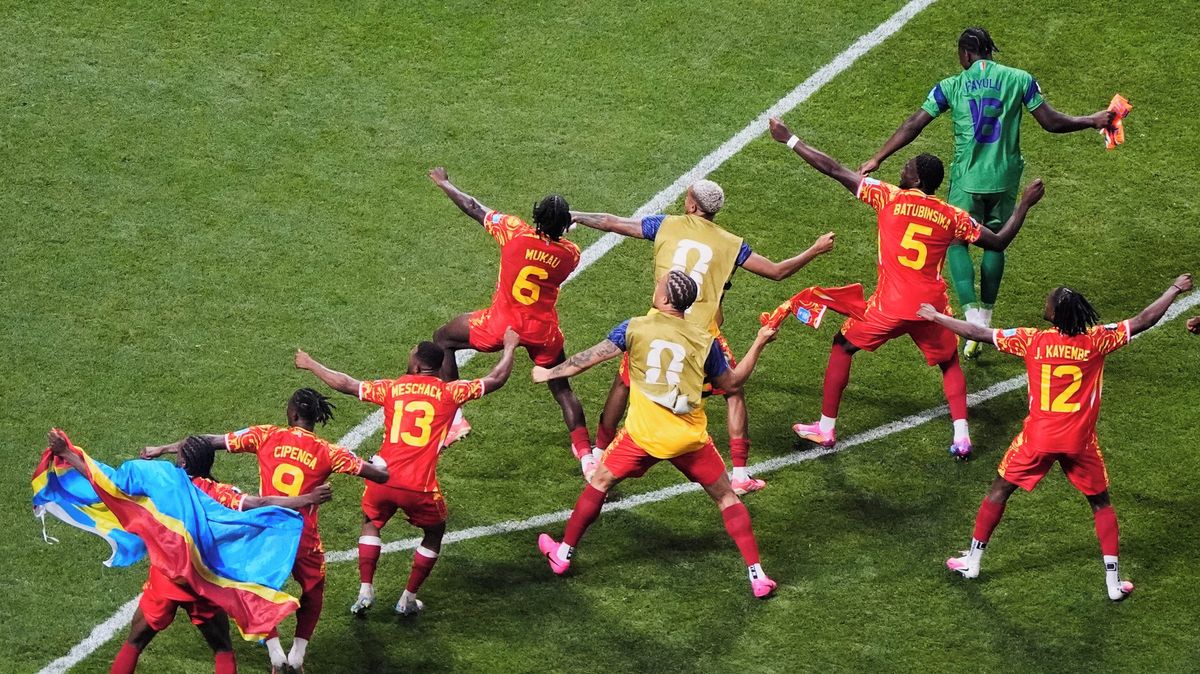
International football is currently defined by two diverging narratives: England’s pragmatic progression through the UEFA Euro 2024 tournament and the escalating intensity of the African qualifying landscape for the 2026 FIFA World Cup. As England focuses on securing results to advance in Europe, African nations are intensifying their pursuit of World Cup berths, highlighted by high-stakes matches involving teams such as DR Congo.
England’s Euro 2024 Progression: Prioritizing Results Over Style
The England national team has continued its campaign in the UEFA Euro 2024 tournament, maintaining a trend of securing necessary points despite facing significant scrutiny regarding their tactical approach. While the squad has fulfilled the fundamental requirement of advancing through the group stages, analysts have noted a shift toward a more pragmatic, result-oriented style of play under manager Gareth Southgate.
This “duty-first” approach has seen the Three Lions navigate difficult fixtures where the emphasis was placed on defensive stability and capitalizing on limited opportunities rather than dominating possession. While this method has ensured progression to the knockout rounds, it has sparked debate among supporters and media outlets regarding the team’s ability to maintain this efficiency against higher-caliber opposition in the later stages of the tournament.
The squad’s ability to manage pressure in high-stakes matches remains a central theme of their Euro 2024 journey. As the tournament moves into the elimination phases, the focus for the English camp will shift from mere survival to finding a balance between defensive discipline and the attacking fluidity required to overcome elite European defenses.
The Rising Global Profile of African International Football
Parallel to the European championships, the international football calendar is seeing a surge in engagement surrounding African competitions. The current cycle of Confederation of African Football (CAF) matches, particularly those tied to the 2026 FIFA World Cup qualifiers, has brought a heightened level of intensity to the continent’s footballing landscape.
The excitement surrounding these matches is fueled by several factors, including the expansion of the FIFA World Cup to a 48-team format, which significantly increases the opportunities for African nations to qualify. This expansion has transformed the qualifying rounds into a high-stakes environment that mirrors the atmosphere of a major tournament, often referred to by local fans and observers as a “mini-World Cup” atmosphere.
The quality of talent emerging from African leagues and the prominence of African players in top European divisions have contributed to this increased visibility. As nations battle for dominance in their respective qualifying groups, the matches are attracting larger global audiences and providing a platform for the next generation of footballing stars to demonstrate their capabilities on the international stage.
Competitive Landscape: Congo and the Path to 2026
Within the intense framework of the African qualifiers, the performance of teams like DR Congo has become a focal point for regional competition. The qualifying groups are characterized by extreme volatility, where a single result can determine whether a nation advances toward the 2026 World Cup or faces a premature exit from contention.
DR Congo, often referred to as Les Léopards, remains a significant competitor in the CAF qualifying structure. Their recent involvement in high-pressure matches underscores the difficulty of navigating the African qualification groups, which are widely regarded as some of the most competitive in the world. The progression of teams in these groups often hinges on consistent performances against mid-tier and top-tier African sides alike.
The results involving Congo and their regional rivals highlight the tactical evolution occurring within African football. Teams are increasingly employing sophisticated defensive structures and rapid transition play to compete with the continent’s powerhouses. For nations like Congo, the current qualifying cycle represents a critical window to establish themselves as consistent contenders in the global game.
Quick Comparison: International Football Contexts
| Feature | UEFA Euro 2024 (England) | CAF World Cup Qualifiers (Africa) |
|---|---|---|
| Primary Objective | Tournament Victory | World Cup Qualification |
| Current Stage | Knockout Rounds | Group Stage Qualification |
| Key Narrative | Tactical Pragmatism vs. Style | Rising Talent & Expansion Impact |
| Format Impact | Fixed Tournament Bracket | Long-term Qualification Cycles |
Key Takeaways for Football Fans
- England’s Strategy: The Three Lions are prioritizing progression through Euro 2024, focusing on securing results even when tactical fluidity is lacking.
- African Football Growth: The 2026 World Cup expansion is driving unprecedented interest and intensity in African qualifying matches.
- Congo’s Role: DR Congo continues to be a pivotal player in the highly competitive CAF qualification groups.
- Global Trend: International football is seeing a shift toward high-stakes, result-driven competition across both European and African confederations.
The next major milestones in these competitions include the upcoming knockout matches in the UEFA Euro 2024 tournament and the next scheduled rounds of the CAF World Cup qualifying fixtures. Official updates regarding match schedules and group standings can be monitored via the official UEFA and CAF websites.

What do you think of England’s pragmatic approach in Euro 2024? Will it be enough to secure the trophy? Let us know your thoughts in the comments below and share this article with your fellow football fans.
Keep reading
- Youri Tielemans Discusses Surprise Manchester United Transfer and World Cup
- Lee Kang-in Shines in Atlético Madrid Preseason Win Over Marseille
- UN Warns of Fastest-Ever Ebola Outbreak in DR Congo (archynewsy.com)
- South African Envoy Warns Canada Peacekeeping Cuts Weaken Middle-Power Strategy (newsdirectory3.com)