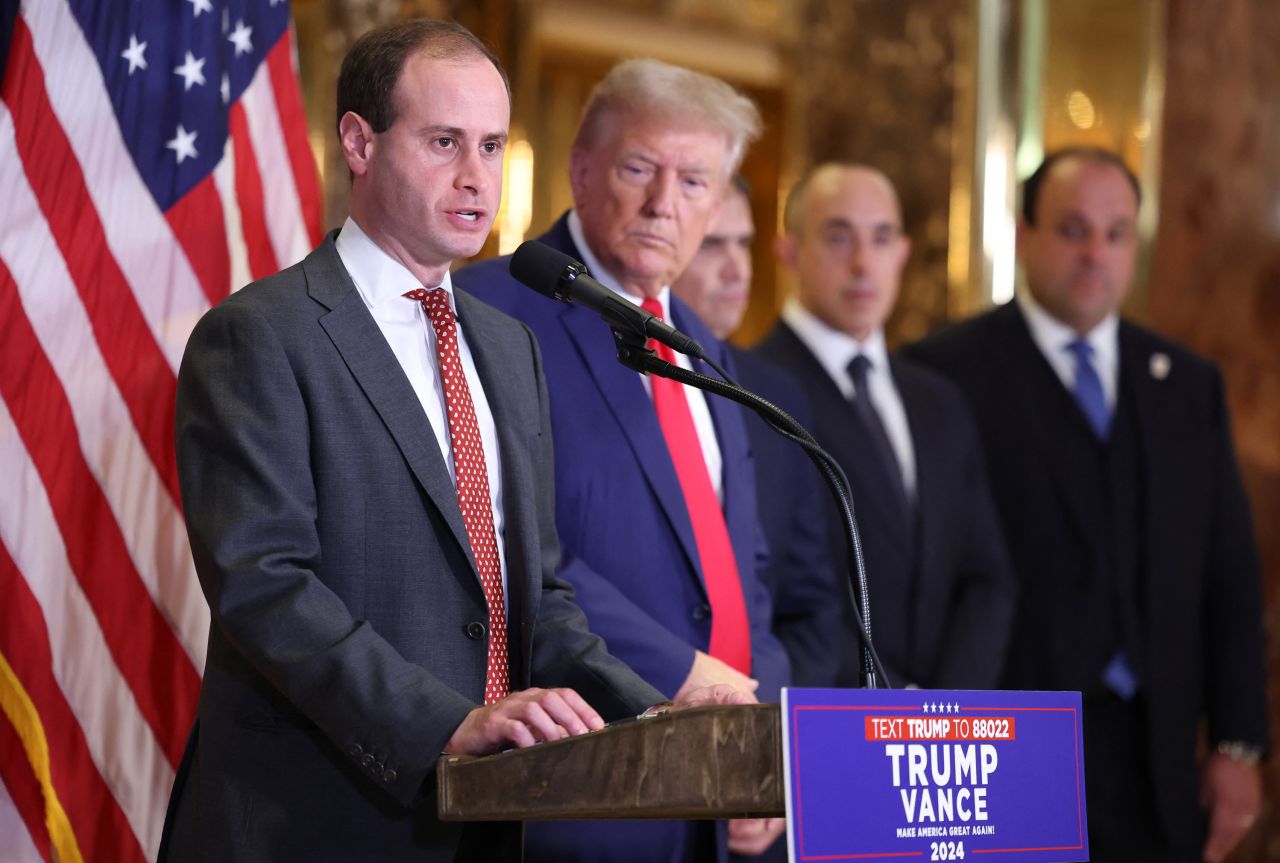
President-elect Donald Trump has announced his intention to nominate Lance Schroyer, a former Oklahoma state trooper, to serve as the director of U.S. Immigration and Customs Enforcement (ICE). The appointment places Schroyer at the helm of the agency tasked with executing the incoming administration’s stated plans for a large-scale deportation campaign. If confirmed by the Senate, Schroyer would oversee the primary federal entity responsible for enforcing immigration laws within the country’s interior.
The nomination of Schroyer, who has a background in law enforcement, reflects the administration’s focus on prioritizing border security and interior enforcement. ICE, a sub-agency of the Department of Homeland Security (DHS), manages the detention and removal of undocumented immigrants. The director role requires Senate confirmation and involves managing a sprawling workforce tasked with complex legal and logistical operations across the United States.
Professional Background and Law Enforcement Career
Lance Schroyer’s career includes significant experience in state-level law enforcement. As a former Oklahoma state trooper, his professional history is centered on public safety and the execution of state statutes. This background is a common profile for leadership roles within immigration enforcement, where administrative experience often intersects with field-level operations.

The selection process for the director of ICE involves vetting by the incoming administration to ensure alignment with executive priorities. While specific details regarding his tenure in Oklahoma are localized, his nomination is part of a broader effort to staff the Department of Homeland Security with individuals who share the president-elect’s approach to immigration policy. According to reporting by CNN, the transition team has emphasized the need for a leadership team capable of scaling up enforcement activities immediately upon taking office.
The Role of ICE in Federal Immigration Strategy
U.S. Immigration and Customs Enforcement functions as the interior enforcement arm of the federal government. Its responsibilities include the identification, apprehension, and removal of individuals residing in the U.S. without legal status.
The incoming administration has frequently cited the expansion of deportation efforts as a core objective. As reported by The New York Times, the agency is expected to face significant operational demands, including the mobilization of resources to increase the number of removals. The director of ICE is responsible for managing these personnel deployments, logistical arrangements for transport, and compliance with federal detention standards.
Senate Oversight and Next Steps
The nomination of an ICE director is subject to the constitutional process of “advice and consent” by the U.S. Senate. This process allows members of the Senate Homeland Security and Governmental Affairs Committee to review the nominee’s qualifications and policy stances. During these hearings, the nominee is typically questioned on their approach to agency management, legal compliance, and the humanitarian aspects of enforcement operations.
A confirmation hearing must be scheduled before a floor vote can take place. The timeline for the hearing will be set by the committee chair once the formal nomination papers are transmitted to the chamber. Observers expect the confirmation process to serve as a platform for debate regarding the scope and methods of the proposed deportation campaign.
As the transition continues, official updates regarding the schedule for confirmation hearings will be available through the Senate Homeland Security and Governmental Affairs Committee website. The public and stakeholders are encouraged to monitor these official channels for verified information on the progress of the nomination.
This is a developing story. We encourage readers to share their thoughts and engage in the conversation in the comments section below.
Worth a look