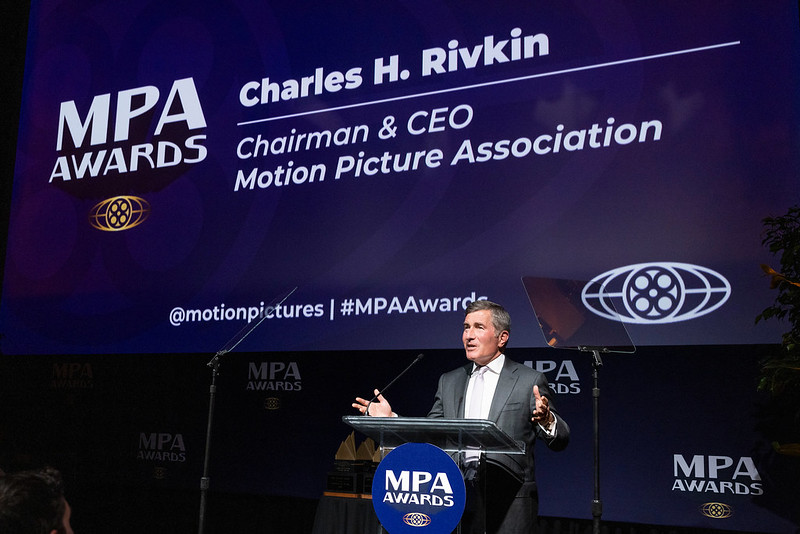
South Korean lawmaker Kim Gyo-heung met with Charles Rivkin on June 25 to discuss strengthening cooperation within the content industry, specifically focusing on the growth and global competitiveness of Incheon’s local media and cultural sectors. The discussion, held during a period of expanding bilateral cultural exchanges, centered on leveraging the MPA’s global network to foster sustainable growth in South Korea’s regional content hubs.
Kim Gyo-heung, who previously served as the chairperson of the National Assembly’s Culture, Sports and Tourism Committee, emphasized that Incheon is uniquely positioned to become a central node for international film and digital media production. By aligning with global industry standards maintained by the MPA, Incheon aims to attract higher volumes of foreign investment and co-production projects.
Strategic Alignment with Global Content Standards
The Motion Picture Association, led by Charles Rivkin, plays a pivotal role in advocating for policies that support the film and television industry, including intellectual property protection and the promotion of market access. During the meeting, the dialogue focused on how regional governments like Incheon can harmonize their local administrative support systems with the requirements of international studios.

According to industry reports, the South Korean content market remains a vital territory for global media conglomerates, driven by the sustained international popularity of Korean-produced drama, film, and music. Kim noted that the city of Incheon has been actively developing infrastructure to support large-scale filming and post-production, seeking to minimize regulatory barriers that often complicate international logistics for major studio productions.
Incheon’s Vision as a Global Media Hub
Incheon has sought to differentiate itself from other Korean cities by positioning its “Incheon Film Commission” and related municipal agencies as high-efficiency partners for international crews. The city offers diverse filming locations, from modern urban landscapes in Songdo to historic coastal areas, which have already been utilized in various domestic and international projects.

The collaboration discussed between Kim and Rivkin involves a framework for knowledge transfer, where the MPA’s expertise in global distribution and content protection could assist local stakeholders in Incheon. This is part of a broader Ministry of Culture, Sports and Tourism initiative to expand the “K-Content” footprint by establishing stronger institutional ties with major global industry players.
Why This Cooperation Matters for the Local Economy
The push for closer ties with the MPA is rooted in the economic impact of the content industry. Media production brings direct investment, job creation for local crew members, and increased tourism through location branding. For Incheon, integrating into the global supply chain of the MPA’s member studios would provide a predictable pipeline of projects, which is essential for the long-term sustainability of the local creative workforce.
Furthermore, the discussion touched upon the importance of digital infrastructure. As the industry shifts toward virtual production and AI-assisted editing, Incheon has looked toward upgrading its technological facilities to meet the technical specifications required by top-tier global streaming platforms and film studios. By securing a dialogue with the head of the MPA, regional representatives aim to ensure that these upgrades remain consistent with international industry benchmarks.
Future Steps and Official Engagement
While the meeting served as a high-level consultative session, it signals a deeper intent to formalize support structures for international production teams operating in the region. The next steps for this initiative are expected to involve working groups between local administrative bodies and industry representatives to address specific logistical challenges, such as permitting processes, tax incentives for foreign producers, and the protection of digital assets during the production phase.
Stakeholders interested in the progress of these policy developments can monitor updates from the Incheon Metropolitan City government website, which tracks regional development projects and international investment agreements. As the global demand for diverse content locations continues to rise, the effectiveness of these high-level diplomatic efforts will likely be measured by the number of international productions that select Incheon as their primary filming destination in the coming fiscal years.
We invite our readers to share their thoughts on the growth of South Korea’s media industry in the comments section below. Stay tuned for further updates as more information regarding these institutional partnerships becomes available.
Related reading