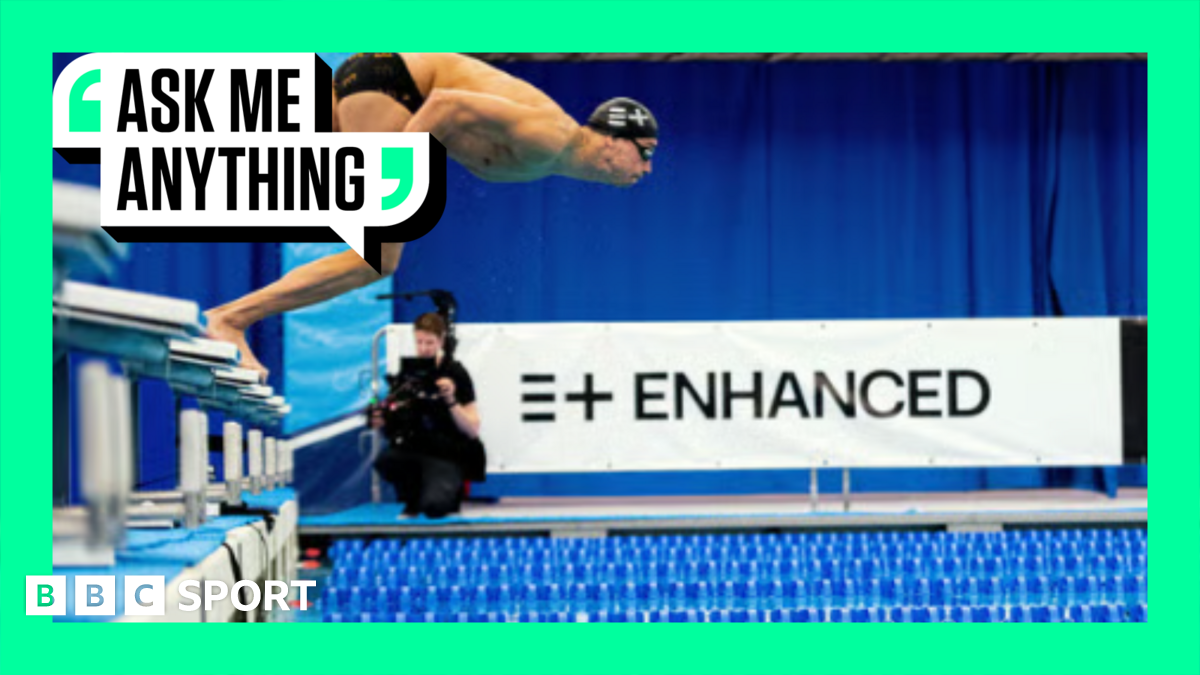
The Enhanced Games: A Deep Dive into the Controversial ‘Doping Olympics’
Have you heard the buzz about the Enhanced Games? this audacious new multi-sport event, slated to debut in Las Vegas in May 2026, is turning the world of competitive athletics on its head. Unlike traditional sporting competitions, the Enhanced Games explicitly allows athletes to utilize performance-enhancing drugs – a concept sparking intense debate and raising critical questions about the future of sport. This article will explore everything you need to know about the Enhanced Games,from its origins and philosophy to the potential risks and rewards for athletes.
What Exactly Are the Enhanced Games?
The Enhanced Games, founded by Australian businessman Aron D’Souza, proposes a radical shift in how we view athletic achievement. The core principle is athlete autonomy – the belief that individuals should have the freedom to modify their own bodies as they see fit. This means no banned substances, no drug testing, and a focus on pushing the boundaries of human potential, even if it involves pharmacological assistance. D’Souza envisions the Enhanced Games as the “Olympics of the future,” a platform where athletes can openly and legally strive for unprecedented “world records.”
Recent announcements confirm high-profile athletes are already signing on. Notably, British swimmer and 2024 Olympic silver medalist Ben Proud has committed to compete, signaling a growing acceptance – or at least, curiosity – surrounding the event. Organizers claim Greek swimmer Kristian Gkolomeev has already surpassed the 50m freestyle world record (held as 2009) under their permitted conditions, though independent verification remains a key point of contention.
The Controversy: Health Risks and Fair Play
The concept isn’t without notable backlash. Critics argue the Enhanced Games prioritize performance over athlete well-being,potentially leading to severe health consequences.The long-term effects of unregulated performance-enhancing drug use are well-documented,ranging from cardiovascular problems to psychological issues.
Moreover,the event fundamentally challenges the principles of fair play and sporting integrity. organizations like UK Anti-doping (Ukad) firmly oppose the concept, stating their mission is “to protect sport from doping cheats.” They maintain there is “no place in sport for performance-enhancing drugs,nor the Enhanced games.” This highlights a essential clash in philosophies: autonomy versus regulation, pushing limits versus protecting athletes.
Understanding Performance Enhancement: Beyond Steroids
When we talk about ”performance enhancement,” it’s crucial to move beyond the stereotypical image of anabolic steroids. the field is incredibly diverse, encompassing a wide range of substances and techniques. These include:
* peptides: Synthetic chains of amino acids that can stimulate growth hormone release.
* Gene Doping: A theoretical (and currently illegal) technique involving gene transfer to enhance athletic capabilities.
* Selective Androgen Receptor modulators (SARMs): Compounds designed to offer the benefits of steroids with fewer side effects (though risks still exist).
* Nutraceuticals & Nootropics: Supplements aimed at improving cognitive function and physical endurance.
* Advanced Recovery Methods: Cryotherapy, hyperbaric oxygen therapy, and other techniques to accelerate healing.
The Enhanced games aim to create a framework for responsible use,with medical oversight and clear protocols. However, the potential for abuse and unforeseen health complications remains a major concern. The debate around regulated doping is complex, and the Enhanced Games are forcing a much-needed conversation.
The Potential Impact on Traditional Sports
could the Enhanced Games disrupt the established sporting world? It’s a possibility. If the event gains traction and attracts significant viewership, it could pressure traditional organizations to re-evaluate their anti-doping policies. Some argue that a more pragmatic approach – acknowledging the prevalence of doping and focusing on harm reduction – might be necessary.
However,this is a long shot. The International Olympic Committee (IOC) and other major sporting bodies are deeply committed to maintaining a level playing field and upholding the integrity of competition. the Enhanced Games represent a direct challenge to these principles, and a widespread shift in policy seems unlikely in the near future. The future of sports governance may be impacted, though, as the conversation around athlete rights and bodily autonomy intensifies.
Practical Considerations for Athletes
If you’re an athlete considering participating in the Enhanced Games, thorough research and expert consultation are paramount. here’s a step-by-step approach:
1.
Keep reading