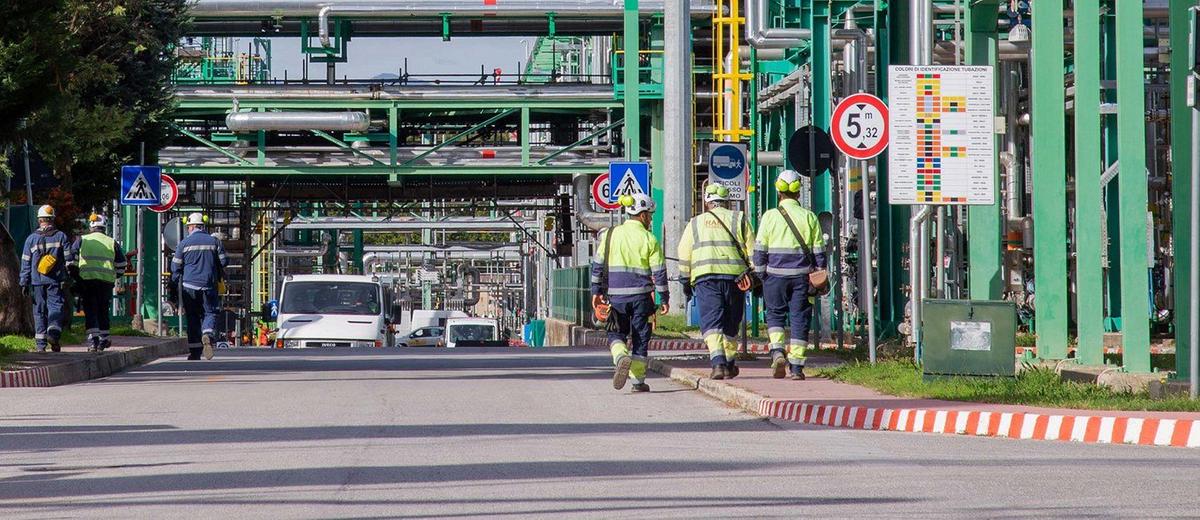
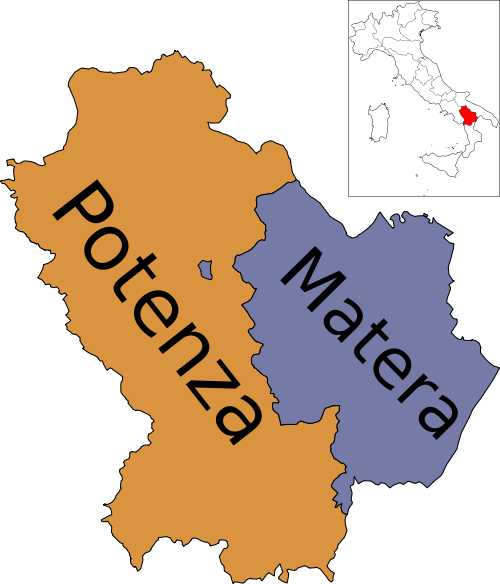
The energy landscape in Italy is seeing a renewed push for domestic production as major industry players seek to expand their footprint in the Basilicata region. Known informally as the “Texas of Italy” due to its significant hydrocarbon reserves, Basilicata remains a critical hub for the country’s energy security, with energy giants like Shell and Eni focusing on increasing output to stabilize supply.
Recent developments indicate that Shell is actively seeking new well approvals to lift oil and gas output in Italy, aiming to leverage existing infrastructure and untapped potential within the region Offshore Engineer Magazine. This strategic move comes as the industry navigates a complex regulatory environment where the unlocking of drilling permits is viewed as the primary catalyst for further investment.
The drive to increase production is not merely a corporate ambition but a response to broader economic pressures. With energy prices fluctuating and the demand for diversified sources of fuel, the ability to ramp up extraction in Basilicata could provide a necessary buffer for the Italian economy. Shell has explicitly stated its readiness to invest more in the country, provided that the necessary drilling permits are unlocked by the government Reuters.
The Strategic Importance of Basilicata’s Energy Reserves
Basilicata holds a dominant position in Italy’s domestic oil production. The region is a primary source of crude oil, contributing a vast majority of the nation’s total output. This concentration of resources makes the region indispensable for those seeking to reduce reliance on energy imports.
The term “Texas of Italy” reflects the scale of the operations and the geological richness of the area. For companies like Eni and Shell, the region represents an opportunity to “double down” on production. By optimizing existing fields and opening new wells, these companies aim to maximize the recovery of hydrocarbons from the subsurface.
However, the path to increased production is not without hurdles. The industry faces a rigorous permitting process that balances economic needs with environmental regulations. The ability to secure these permits is the linchpin for Shell’s planned investments, as the company seeks to expand its operational capacity to meet rising energy demands.
Investment Hurdles and the Role of Drilling Permits
The relationship between energy companies and the Italian state often hinges on the speed and transparency of the regulatory process. Shell’s willingness to increase its financial commitment to Italy is contingent upon the government’s ability to streamline and grant drilling permits.
Without these approvals, the potential for increased output remains theoretical. The industry argues that unlocking these permits would not only boost production but also stimulate local economic growth through job creation and infrastructure development. The tension between the urgent need for energy independence and the stringent requirements of environmental oversight continues to define the operational landscape in Basilicata.
Impact on Energy Costs and Regional Stability
While the focus in Basilicata is on production, the broader impact of energy costs is felt across various Italian regions. In some areas, the struggle with soaring energy prices has led to localized efforts to mitigate costs for consumers. For example, certain Italian regions have implemented measures to cut gas bills as prices surge elsewhere, highlighting the volatility of the energy market Bloomberg.com.
Increasing domestic output in Basilicata is seen as a long-term strategy to reduce this volatility. By increasing the volume of oil and gas produced within Italy’s borders, the country can potentially lower its exposure to global price shocks and supply chain disruptions.
Future Outlook for Italy’s Oil and Gas Sector
The future of energy production in the “Texas of Italy” depends on the synergy between corporate investment and government policy. If Shell and Eni are able to secure the necessary approvals for new wells, Basilicata could notice a significant surge in activity, potentially doubling its current contributions to the national energy grid.
The industry’s focus remains on efficiency and expansion. By utilizing advanced drilling techniques and investing in new infrastructure, these companies hope to prolong the life of existing fields while tapping into new reserves. The outcome of these permit requests will be a key indicator of Italy’s commitment to enhancing its domestic energy autonomy.
As the energy transition continues globally, the role of domestic hydrocarbons remains a bridge to stability. For Italy, the ability to leverage Basilicata’s resources provides a critical layer of security during a period of geopolitical instability and economic uncertainty.
The next confirmed checkpoint for the industry will be the official response from Italian regulatory bodies regarding the pending well approvals and drilling permits requested by Shell.
We invite our readers to share their thoughts on Italy’s energy strategy in the comments below. How should the balance between domestic production and environmental protection be managed?
Related reading