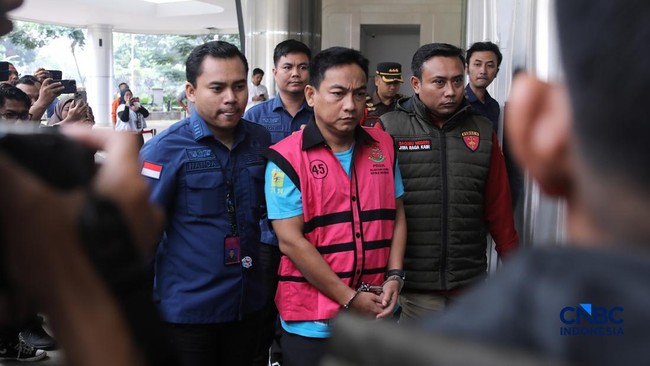
The Indonesian Attorney General’s Office (Kejagung) has arrested and named the Chairman of the Ombudsman of the Republic of Indonesia, Hery Susanto, as a suspect in a high-profile corruption case. The arrest, which took place on Thursday, April 16, 2026, comes as a significant blow to the administrative watchdog, as Susanto had been in his leadership role for only six days according to detikNews.
Susanto was detained following an investigation into alleged bribery involving the governance of nickel mining operations in Southeast Sulawesi. The Kejagung alleges that the Chairman accepted bribes to manipulate official recommendations and calculations regarding non-tax state revenue (PNBP) for a specific mining entity. The timing of the arrest is particularly striking, as Susanto was appointed to lead the institution for the 2026-2031 term by President Prabowo Subianto on April 10, 2026 as reported by the BBC.
The case centers on a payment of approximately Rp 1.5 billion allegedly received by Susanto from LKM, the director of PT TSHI per official statements from the Kejagung. According to prosecutors, PT TSHI sought Susanto’s influence to ensure the Ombudsman corrected the PNBP calculations in the company’s favor. Susanto is now facing charges under the Anti-Corruption Law (UU Tipikor), specifically Articles 5 and 12, as well as Article 606 of the Criminal Code (KUHP) as detailed by the Attorney General’s Office.
The Allegations: Bribery in the Nickel Sector
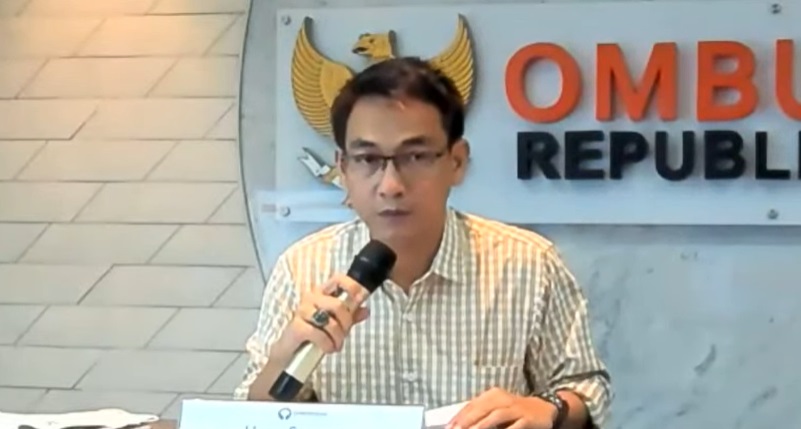
The core of the investigation involves the “tata kelola” or governance of nickel mining, a critical sector for Indonesia’s economic strategy. The Attorney General’s Office, through the Directorate of Investigation of the Junior Attorney General for Special Crimes (Jampidsus), stated that the evidence gathered points to a direct exchange of funds for administrative favors. Syarief Sulaeman Nahdi, the Director of Investigation, confirmed that the funds were transferred from the director of PT TSHI to Hery Susanto to manage the PNBP calculations during a press conference on April 16.
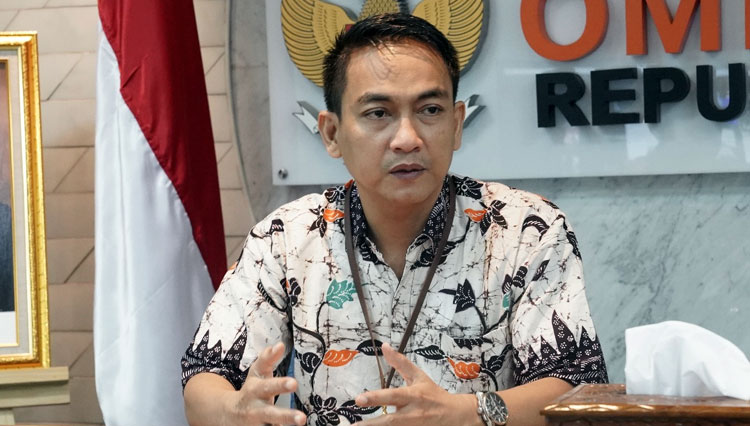
Non-tax state revenue (PNBP) represents a vital stream of income for the Indonesian government and any manipulation of these figures can lead to significant losses for the state treasury. The Ombudsman’s role is typically to oversee public services and prevent maladministration; though, the Kejagung alleges that Susanto used his position to actively “arrange” recommendations that would benefit the mining company according to the prosecution’s claims.
Following his interrogation at the Gedung Bundar Jampidsus in South Jakarta, Susanto was seen being escorted out in a pink prisoner’s vest and handcuffs before being transported to the Salemba Detention Center (Rutan Salemba) for the first 20 days of his detention as reported by detikNews.
Who is Hery Susanto?
Dr. Hery Susanto, S.Pi., M.Si., born in Cirebon on April 9, 1975, entered the leadership of the Ombudsman with a background in public policy and advocacy. He holds a doctorate in Population and Environmental Education from the Universitas Negeri Jakarta, completed in 2024 according to the official Ombudsman RI website.
Before becoming Chairman, Susanto served as a member of the Ombudsman RI for the 2021-2026 period. He was re-elected through a fitness and propriety test conducted by Commission II of the DPR RI in January 2026 as noted in his official profile. His professional history also includes serving as a Technical Expert for Commission IX of the DPR RI from 2014 to 2019 per Kompas.com.
During his tenure at the Ombudsman, Susanto’s focus was primarily on the oversight of the maritime, investment, and energy sectors. He was publicly recognized for pushing efforts to prevent maladministration and improve the quality of public service supervision according to institutional records.
Implications for Public Service Oversight
The arrest of the head of the Ombudsman—the very agency tasked with fighting maladministration and corruption in public services—creates a significant institutional crisis. The Ombudsman is designed to be an independent body that ensures government agencies act fairly and transparently. The allegation that its leader accepted bribes to manipulate state revenue calculations suggests a severe breach of the agency’s core mandate.
The nickel industry in Southeast Sulawesi is a focal point of Indonesia’s “downstreaming” policy, which seeks to process raw minerals domestically to increase value. Due to the fact that of the high economic stakes and the scale of investment in this sector, the governance of mining permits and state revenues is under intense scrutiny. This case highlights the vulnerabilities within the oversight mechanisms when high-ranking officials are susceptible to corporate influence.
Legal Timeline and Next Steps
The legal proceedings against Hery Susanto are currently in the early stages of detention and investigation. The following table summarizes the key events surrounding the case:
| Date | Event |
|---|---|
| January 2026 | Passed fitness and propriety test by Commission II DPR RI |
| April 10, 2026 | Inaugurated as Chairman of Ombudsman RI by President Prabowo Subianto |
| April 16, 2026 | Named as suspect and detained by the Attorney General’s Office (Kejagung) |
| April 16, 2026 | Transferred to Rutan Salemba for initial 20-day detention |
The Attorney General’s Office, through spokesperson Anang Supriatna, emphasized that the decision to name Susanto as a suspect was based on evidence discovered by investigators during the press conference on April 16. The investigation is expected to expand to determine if other officials or corporate entities were involved in the bribery scheme.
Hery Susanto remains in custody at the Salemba Branch of the South Jakarta District Attorney’s Office. The next official checkpoint will be the conclusion of his initial 20-day detention period, at which point prosecutors will decide whether to extend his detention for further investigation or proceed toward an indictment in court as per standard legal procedure mentioned by the Kejagung.
World Today Journal will continue to monitor this case as it develops. We invite our readers to share their perspectives on institutional oversight in the comments below.
Keep reading