
When discussing regulatory approaches to online expression and public safety, it is essential to distinguish between national policies and those implemented at subnational levels. A recent comment highlighted that Australia was not included in a particular assessment given that any restrictive measure in question applies only within a single state, not across the entire country. This distinction is crucial for understanding how federal systems like Australia’s manage policy implementation, especially concerning digital platforms and community standards.
Australia operates as a federal parliamentary democracy, where legislative authority is divided between the federal government and six states, along with two internal territories. While the federal government handles matters such as immigration, foreign affairs and national communications policy, individual states retain significant powers over areas like policing, education, and certain aspects of civil regulation. This structure means that laws affecting daily life—including those related to public assemblies, speech in public spaces, or platform usage—can vary significantly from one jurisdiction to another.
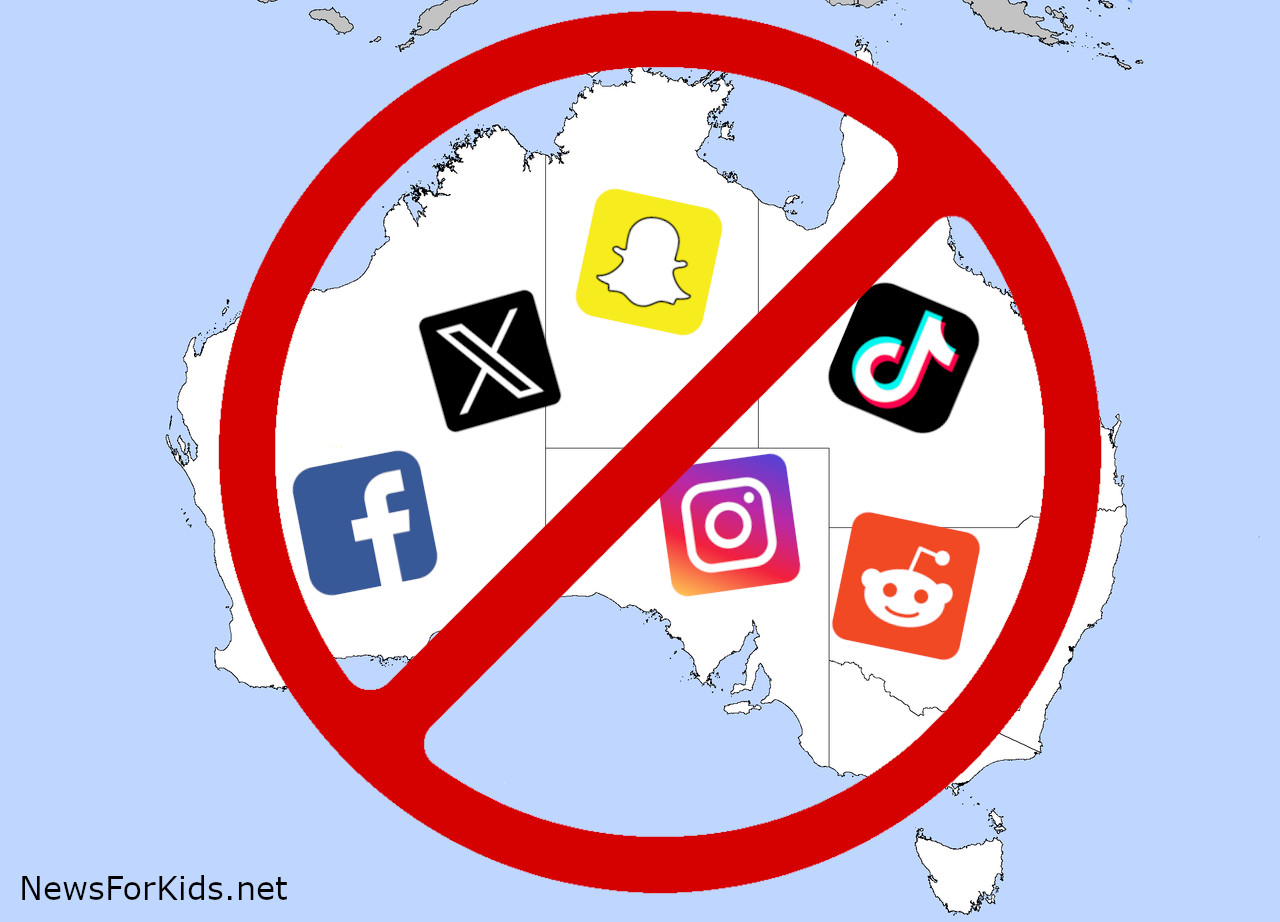
In the context of online regulation, Australia has seen both federal and state-level initiatives. At the federal level, the government has advanced legislation aimed at setting a minimum age for social media access, a move that would create it one of the first countries nationally to enforce such a restriction. According to verified reports, this legislation is designed to require platforms like Instagram, TikTok, and YouTube to block access for users under a specified age, with enforcement mechanisms tied to age verification systems. The proposal has sparked international discussion about youth protection, digital literacy, and the responsibilities of technology companies in safeguarding minors online.
However, any reference to a current ban or restriction applying “only in one state” would necessitate looking at state-specific legislation or enforcement actions. As of the latest available information, no Australian state has enacted a standalone law that broadly prohibits access to major social media platforms for an entire demographic group. Instead, state-level efforts have tended to focus on education campaigns, school-based policies, or collaboration with federal eSafety initiatives. For example, some states have partnered with the Office of the eSafety Commissioner to deliver digital literacy programs in schools, but these are advisory and preventive in nature, not prohibitive.
It is also important to clarify that discussions around speech restrictions in Australia—such as those concerning extremist content or hate speech—are primarily governed by federal law. The Criminal Code Act 1995 (Commonwealth) contains provisions related to advocating genocide, promoting terrorism, and using carriage services to menace, harass, or cause offense. These laws apply uniformly across all states and territories. While state police forces enforce these laws, the legal definitions and thresholds are set at the national level, ensuring consistency in how such offenses are prosecuted nationwide.
Regarding specific individuals who have been denied entry or monitored due to their public statements, federal immigration authorities maintain oversight under the Migration Act 1958. Decisions to exclude non-citizens on character grounds—such as those related to promoting violence, hatred, or criminal conduct—are made by the Minister for Immigration, Citizenship and Multicultural Affairs or their delegates. These decisions are based on federal policy and apply to entry into Australia as a whole, not individual states. Public records display that such exclusions have involved figures associated with extremist ideologies, Holocaust denial, or incitement to violence, with decisions grounded in national security and public interest considerations.
The absence of a nationwide social media age restriction at present does not diminish the seriousness with which Australian authorities approach online harm. The eSafety Commissioner, an independent statutory office, has broad powers to investigate cyberbullying, image-based abuse, and illegal online content. It can issue removal notices, seek civil penalties, and pursue legal action against individuals or platforms that violate the Online Safety Act 2021. This federal legislation establishes baseline expectations for digital platforms operating in Australia, regardless of where their users are located.
while Australia continues to develop its approach to regulating digital spaces—particularly concerning youth access and harmful content—any characterization of a ban or restriction applying only in one state must be carefully contextualized. Federal laws provide the overarching framework for immigration, online safety, and criminal conduct, while state governments play a supportive role in enforcement, education, and community engagement. Accurate reporting on these distinctions ensures that global audiences understand not just what policies exist, but how they function within Australia’s unique federal structure.
As of now, the most significant upcoming development in this space is the potential implementation of the federal social media age minimum legislation, which has passed parliamentary scrutiny and awaits final procedural steps before becoming law. Stakeholders including tech companies, child advocacy groups, and digital rights organizations are expected to provide feedback during the regulatory refinement phase. For the most accurate and current information, readers are encouraged to consult official sources such as the Australian Government’s Attorney-General’s Department, the eSafety Commissioner’s website, and parliamentary records available through the Parliament of Australia’s official portal.
What are your thoughts on how federal countries like Australia balance national standards with regional autonomy in regulating digital spaces? Share your perspective in the comments below, and consider sharing this article to help others understand the nuances of policy implementation across different levels of government.