
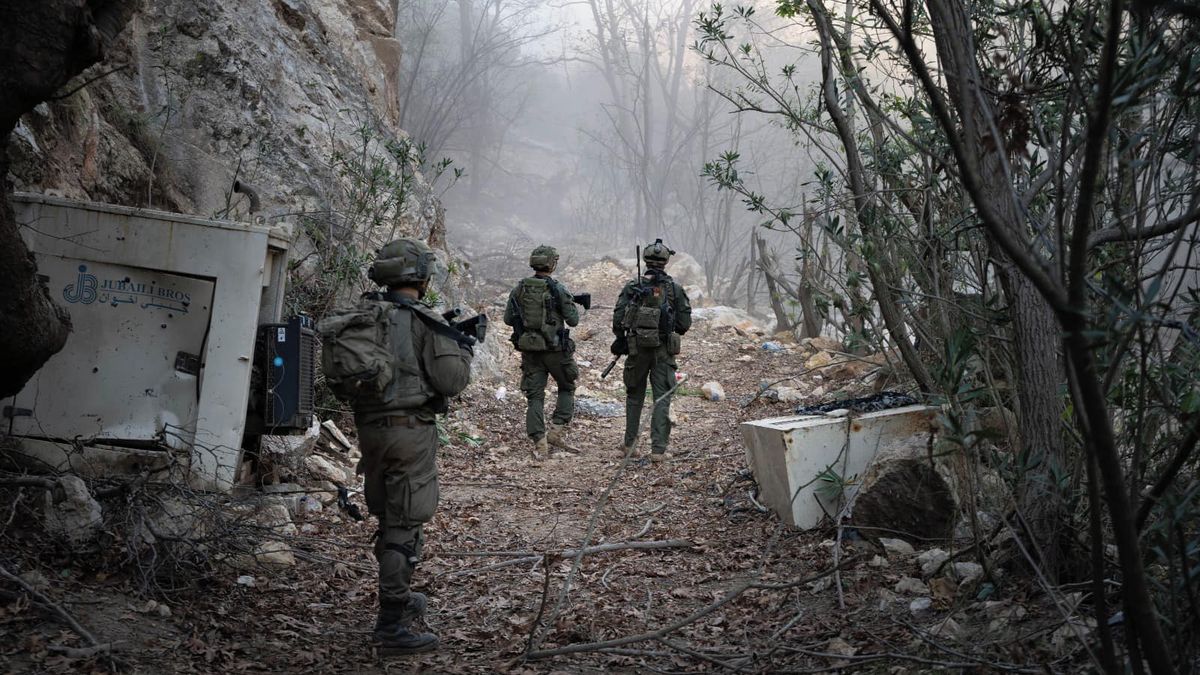
Israeli Prime Minister Benjamin Netanyahu ordered the military to launch strikes against Hezbollah targets in southern Lebanon on Saturday, April 25, 2026, following a series of rocket and drone attacks launched by the Iran-backed militant group into northern Israel, according to multiple verified reports.
The directive came after Hezbollah fired two rockets toward northern Israel, one of which was intercepted by Israeli air defenses, as reported by Reuters and confirmed by the Israeli Defense Forces (IDF). The attacks occurred despite a ceasefire agreement that had been originally set for ten days starting April 16 and later extended by three weeks through diplomatic efforts involving the United States.
Netanyahu’s order, described by Israeli officials as a call for “forceful” action, was issued in response to what the IDF characterized as repeated violations of the truce by Hezbollah, including daily rocket and drone launches. The prime minister’s office did not issue a public statement, but the directive was reported by Times of Israel and subsequently picked up by international wire services.
The Israeli military said it struck Hezbollah rocket launchers in three locations during the night and targeted several of the group’s fighters in separate operations. Although the IDF confirmed the strikes, it did not immediately link them to any specific casualties, noting that reports of deaths from Lebanese authorities required further verification.
Lebanon’s Ministry of Public Health reported that Israeli strikes in the village of Juhmur ash-Shakif in the Nabatieh governorate killed four people, striking a cargo truck and a motorcycle. The Lebanese National News Agency (ANI) also reported Israeli artillery fire on several villages in southern Lebanon, with a significant explosion in the town of Chiam where the IDF was accused of systematically destroying residential buildings.
In response, the IDF reiterated its warnings for residents not to return to dozens of villages south of the so-called “Yellow Line,” a demarcation it established approximately ten kilometers inside Lebanese territory along the border. The military maintained that its actions were defensive and aimed at degrading Hezbollah’s capacity to launch further attacks.
Hezbollah, which began launching aerial attacks into Israel on March 2, 2026, said its operations were a response to perceived Israeli violations of the ceasefire. The group’s involvement in the broader regional conflict followed U.S.-Israeli strikes on Iran in late February, which triggered a cycle of retaliation across the region.
Despite the ceasefire, both sides have accused each other of breaching its terms. Israeli officials claim Hezbollah uses the lull to rearm and reposition, while Lebanese and Hezbollah sources argue that Israeli incursions and surveillance flights violate the agreement’s spirit.
The situation remains fluid, with diplomatic channels active but strained. The United States, which helped broker the original extension of the ceasefire, has urged restraint while affirming Israel’s right to defend itself against cross-border attacks.
As of the latest updates, no formal conclude to the ceasefire has been declared by either party, but the pattern of reciprocal strikes suggests a de facto collapse of the truce. International observers continue to monitor the situation closely, warning of the risk of escalation into a broader confrontation.
For ongoing developments, readers are advised to consult official statements from the Israel Defense Forces, the Lebanese Ministry of Public Health, and verified reports from Reuters and the Associated Press.
If you have insights or observations about this evolving situation, we encourage you to share them in the comments below. Please help spread awareness by sharing this article with others who may be following these critical events.