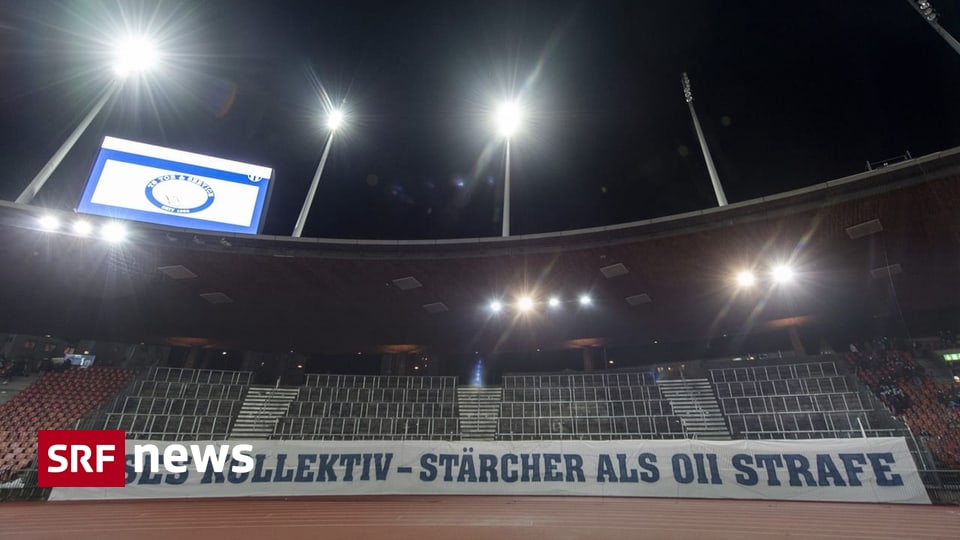
Swiss Court Rules FC Zürich Fan Section Closure Unlawful in Landmark Decision
In a landmark ruling that could reshape how Swiss authorities handle football-related violence, the Zurich Administrative Court has declared the city’s decision to close the Südkurve—a iconic fan section at FC Zürich’s Letzigrund Stadium—unlawful. The court’s decision, published on Monday, April 27, 2026, found that the January 2024 closure violated the associational rights of fans, setting a precedent for how collective punishments are applied in Swiss football.
The case centered on a January 2024 match between FC Zürich and FC Basel, where approximately 100 FCZ supporters clashed with police near Altstetten train station after the game. The fans were accused of attacking officers with pyrotechnics, rocks, and fireworks, prompting the city of Zurich to close the Südkurve for the following match against FC Lausanne-Sport on January 31, 2024. The closure, intended as a deterrent against further violence, was swiftly challenged by FC Zürich, which argued that the measure unfairly penalized law-abiding fans.
The court’s ruling, which aligns with an earlier decision by the Zurich Statthalteramt (a local administrative authority), emphasized that the security benefits of the closure were outweighed by the infringement on fans’ constitutional rights. The Südkurve, the court noted, functions as more than just a seating area—it is a “kind of association” where supporters gather to express solidarity, voice political messages, and rally their team. By shutting it down, the city had effectively stifled a space where fans exercise their right to free assembly and expression.
The Incident That Sparked the Controversy
The January 2024 clashes erupted after FC Zürich’s match against FC Basel, a fixture historically fraught with tension between the two clubs’ fanbases. According to court documents and reports from Watson.ch, around 100 FCZ fans gathered near Altstetten station, where they hurled pyrotechnics, rocks, and fireworks at police officers attempting to disperse the crowd. The violence led to injuries among officers and prompted the city to take swift action ahead of the next home game.
In response, Zurich authorities ordered the closure of the Südkurve—a 2,500-capacity standing section known for its passionate atmosphere—for the January 31 match against FC Lausanne-Sport. The decision was framed as a collective punishment, aimed at deterring future violence by disrupting the fan culture that thrives in the section. However, the move backfired in unexpected ways. Many FCZ supporters simply relocated to the guest section, where they continued to chant and display banners, undermining the intended deterrent effect.
A Legal Battle Over Fan Rights
FC Zürich immediately appealed the closure, arguing that it violated the rights of its supporters and set a dangerous precedent for how authorities handle football-related unrest. The club’s legal team contended that the Südkurve is not merely a physical space but a symbol of fan identity, where supporters gather to express their passion for the team, voice political opinions, and foster a sense of community. The court agreed, ruling that the closure infringed upon the freedom of association, a right protected under the Swiss Constitution.

In its published decision, the Zurich Administrative Court wrote that the security benefits of the closure were “minimal” compared to the harm done to fans’ rights. The court also dismissed arguments that the closure caused significant financial harm to FC Zürich, noting that the club was still able to sell tickets for other sections of the stadium. However, the ruling acknowledged that the closure had a cultural and emotional impact on supporters, many of whom view the Südkurve as the heart of the club’s identity.
Why This Ruling Matters for Swiss Football
The court’s decision has far-reaching implications for how Swiss authorities handle football-related violence. Historically, collective punishments—such as stadium closures or bans on away fans—have been a common tool for deterring hooliganism. However, this ruling suggests that such measures may no longer hold up in court if they infringe on fans’ constitutional rights.
For FC Zürich, the victory is a validation of its long-standing argument that fan culture should not be sacrificed in the name of security. The club has repeatedly emphasized that the majority of its supporters are law-abiding and that collective punishments unfairly penalize innocent fans. The ruling also underscores the growing recognition of football fandom as a legitimate form of cultural expression, deserving of legal protection.
However, the decision does not imply that authorities are powerless to address violence. The court made it clear that individual offenders can still be prosecuted, and clubs can be held accountable for failing to control their supporters. The key distinction, according to the ruling, is that collective punishments must be proportionate and cannot infringe on fundamental rights.
The Broader Context: Football Violence in Switzerland
Football-related violence has been a persistent issue in Switzerland, particularly in matches involving rival clubs like FC Zürich, FC Basel, and Grasshopper Club Zürich. In recent years, authorities have increasingly relied on preventive measures, such as increased police presence, bans on pyrotechnics, and restrictions on away fans, to curb unrest. However, these measures have often sparked backlash from supporters, who argue that they criminalize fan culture rather than addressing the root causes of violence.

The Zurich court’s ruling could force authorities to rethink their approach. Instead of blanket closures or bans, they may need to focus on targeted interventions, such as identifying and prosecuting individual offenders or working more closely with clubs to promote responsible fandom. The decision also aligns with a broader trend in European football, where courts and governing bodies are increasingly scrutinizing the balance between security and fan rights.
What Happens Next?
While the ruling is a victory for FC Zürich and its supporters, it does not mark the end of the debate over football violence in Switzerland. The city of Zurich has not yet indicated whether it will appeal the decision to a higher court, but legal experts suggest that such a move is unlikely, given the clear precedent set by the ruling.
For now, the Südkurve remains open, and FC Zürich fans are free to return to their beloved section. However, the case serves as a reminder that the relationship between football authorities, clubs, and supporters is evolving. As courts increasingly recognize the cultural significance of fan sections, authorities may need to find new ways to maintain security without alienating the particularly communities that make the sport thrive.
The next major test of this balance will likely come during the 2026/27 Swiss Super League season, where high-stakes matches between FC Zürich and its rivals could once again put the city’s approach to fan management under scrutiny. In the meantime, supporters and clubs alike will be watching closely to see how authorities adapt to this new legal landscape.
Key Takeaways
- The Zurich Administrative Court ruled that the closure of FC Zürich’s Südkurve in January 2024 was unlawful, violating fans’ constitutional right to freedom of association.
- The closure was imposed after clashes between FCZ fans and police following a match against FC Basel, where supporters threw pyrotechnics and rocks at officers.
- The court found that the security benefits of the closure were minimal compared to the harm done to fans’ rights, describing the Südkurve as a “kind of association” where supporters express solidarity and political messages.
- The ruling sets a precedent for how Swiss authorities handle football-related violence, suggesting that collective punishments must be proportionate and cannot infringe on fundamental rights.
- FC Zürich argued that the closure unfairly penalized law-abiding fans, and the court’s decision validates the club’s stance on protecting fan culture.
- The case highlights the broader debate over football violence in Switzerland, where authorities are increasingly being forced to balance security with the rights of supporters.
FAQ
What was the Südkurve closure, and why was it imposed?
The Südkurve is a standing section at FC Zürich’s Letzigrund Stadium, known for its passionate fan culture. The city of Zurich closed the section for the January 31, 2024, match against FC Lausanne-Sport after clashes between FCZ fans and police following a game against FC Basel. Authorities intended the closure as a deterrent against further violence, but it was later ruled unlawful by the Zurich Administrative Court.

Why did the court rule the closure unlawful?
The court found that the closure violated fans’ freedom of association, a right protected under the Swiss Constitution. It described the Südkurve as a space where supporters gather to express solidarity, voice political opinions, and rally their team, making the closure a disproportionate infringement on their rights.
What does this ruling mean for Swiss football?
The ruling sets a precedent that could limit how Swiss authorities use collective punishments, such as stadium closures or bans on away fans, to address football-related violence. Authorities may need to focus on targeted interventions, such as prosecuting individual offenders, rather than penalizing entire fanbases.
Will the city of Zurich appeal the decision?
As of now, the city has not indicated whether it will appeal the ruling. Legal experts suggest that an appeal is unlikely, given the clear precedent set by the court’s decision.
How did FC Zürich fans react to the closure?
Many FCZ supporters viewed the closure as an unfair collective punishment that penalized law-abiding fans. During the January 31 match, some fans relocated to the guest section, where they continued to chant and display banners, undermining the intended deterrent effect.
What’s next for FC Zürich and its supporters?
The Südkurve remains open, and fans are free to return to the section. However, the case has sparked a broader conversation about how Swiss authorities balance security with fan rights. The 2026/27 Swiss Super League season could provide further tests of this balance, particularly in high-stakes matches between FC Zürich and its rivals.
This ruling is a significant moment for football in Switzerland, reminding us that the sport is about more than just the game—it’s about the communities that support it. What do you think about the court’s decision? Should authorities find new ways to address football violence, or do collective punishments still have a place? Share your thoughts in the comments below, and don’t forget to follow World Today Journal for more in-depth coverage of football and beyond.