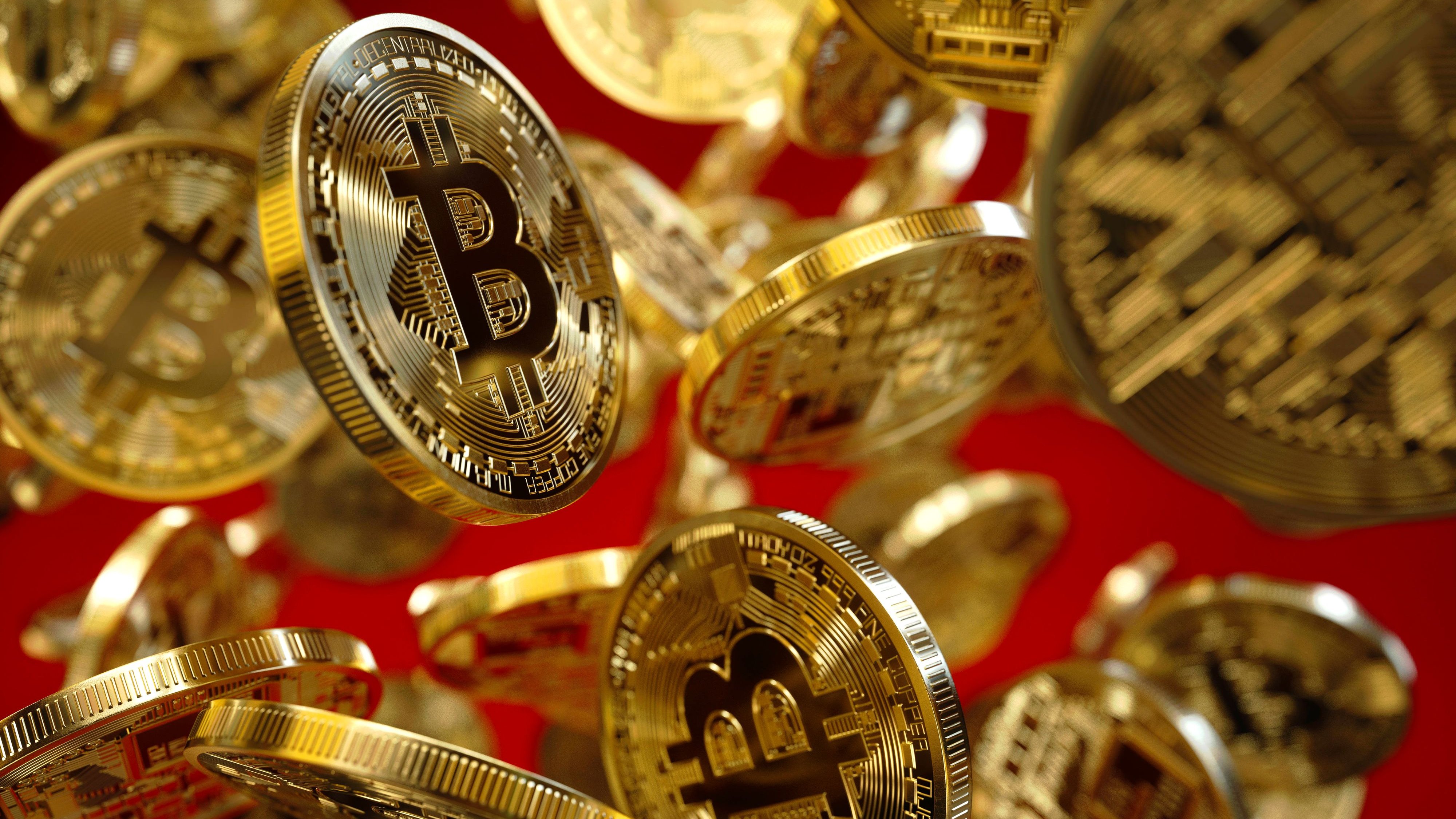
Bitcoin Rebounds to Near $79,000—But the Market’s Euphoria Remains Muted
San Francisco — Bitcoin, the world’s largest cryptocurrency by market capitalization, has staged a notable recovery in recent weeks, climbing back above $78,000 on Friday, April 24, 2026. The price surge marks a significant rebound from its early February lows, when the digital asset dipped below $61,000 amid a broader market pullback. Yet, despite the upward momentum, analysts and traders say the current rally lacks the exuberance that characterized Bitcoin’s previous bull runs, suggesting a more cautious and measured market sentiment.
The cryptocurrency briefly touched $79,000 on Monday, April 27, its highest level since early February, according to real-time market data from CoinGecko and CoinDesk. The price movement reflects a nearly 30% gain from its February low, but trading volumes and social media buzz remain subdued compared to past peaks, raising questions about whether the market is poised for a sustained rally or another volatile correction.
“Bitcoin’s price action is showing signs of recovery, but the lack of retail-driven hype is telling,” said Clara Nguyen, a senior market analyst at Kraken, a major cryptocurrency exchange. “Institutional players are driving much of the current demand, while retail investors appear to be sitting on the sidelines, waiting for clearer signals.”
Why Bitcoin’s Recovery Feels Different This Time
Bitcoin’s recent price movements have been closely tied to macroeconomic trends, particularly shifts in U.S. Monetary policy and global liquidity conditions. After the U.S. Federal Reserve signaled a potential pause in interest rate hikes earlier this year, risk assets, including cryptocurrencies, saw a modest rebound. But, the Fed’s cautious stance—coupled with lingering inflation concerns—has kept many investors wary of making large bets on volatile assets like Bitcoin.
Another key factor in Bitcoin’s recovery has been the continued inflow of institutional capital. Data from CoinShares, a digital asset investment firm, shows that institutional investors poured over $1.2 billion into Bitcoin-related products in the first quarter of 2026, the highest quarterly inflow since late 2021. These investments have been driven in part by the growing adoption of Bitcoin exchange-traded funds (ETFs), which have made it easier for traditional investors to gain exposure to the cryptocurrency without directly holding it.
“The ETF market has been a game-changer for Bitcoin,” said Michael Chen, head of digital assets at VanEck, a global investment manager. “We’re seeing more institutional players enter the space through regulated products, which is bringing a level of stability that wasn’t present in previous cycles.” VanEck’s mid-February Bitcoin ChainCheck report highlighted the role of ETFs in reducing volatility and attracting long-term capital to the market.
The Missing Euphoria: What’s Holding Back the Rally?
Despite Bitcoin’s price recovery, several factors are dampening the market’s enthusiasm. One of the most significant is the ongoing regulatory uncertainty in major markets, including the United States and the European Union. In the U.S., the Securities and Exchange Commission (SEC) has continued to scrutinize cryptocurrency exchanges and investment products, creating an environment of caution among both institutional and retail investors.
In March 2026, the SEC issued a statement warning investors about the risks of cryptocurrency investments, particularly those tied to unregulated platforms. The agency’s stance has led some institutional players to adopt a wait-and-see approach, limiting the kind of speculative fervor that drove Bitcoin to its all-time high of nearly $90,000 in late 2025.
Another factor weighing on market sentiment is the performance of the broader cryptocurrency ecosystem. While Bitcoin has rebounded, many altcoins—including Ethereum, Solana and Cardano—have struggled to regain their footing after the market downturn earlier this year. Ethereum, the second-largest cryptocurrency by market cap, remains nearly 20% below its 2026 peak, according to CoinMarketCap data. This divergence has led some analysts to question whether Bitcoin’s recovery is sustainable or merely a temporary bounce.
“Bitcoin is often seen as a bellwether for the entire crypto market,” said Nguyen. “If altcoins continue to underperform, it could signal that the current rally is more about short-term liquidity than a fundamental shift in market dynamics.”
What’s Next for Bitcoin?
Looking ahead, market participants are closely watching several key developments that could shape Bitcoin’s trajectory in the coming months. One of the most anticipated events is the upcoming Bitcoin halving, expected to occur in May 2026. Historically, halving events—which reduce the rate at which new Bitcoins are created—have been followed by significant price rallies, though the timing and magnitude of these moves have varied.
In addition to the halving, investors are monitoring the Fed’s next policy moves. If the central bank signals a more dovish stance on interest rates, it could provide a tailwind for risk assets, including Bitcoin. Conversely, any signs of persistent inflation or a hawkish pivot could trigger another round of market volatility.

For now, Bitcoin’s price remains in a delicate balance. While the cryptocurrency has shown resilience in the face of macroeconomic headwinds, the absence of widespread retail participation suggests that the market is not yet in full-blown bull mode. As Chen put it, “Bitcoin is in a recovery phase, but it’s not out of the woods yet. The next few months will be critical in determining whether this rally has staying power or if we’re in for another period of consolidation.”
Key Takeaways
- Bitcoin’s price has rebounded to near $79,000, marking a nearly 30% gain from its early February lows below $61,000.
- Institutional investors are driving demand, with over $1.2 billion flowing into Bitcoin-related products in Q1 2026, according to CoinShares.
- Regulatory uncertainty remains a headwind, with the SEC’s cautious stance limiting retail participation and market exuberance.
- The upcoming Bitcoin halving in May 2026 could act as a catalyst for further price movements, though its impact remains uncertain.
- Altcoins are lagging behind Bitcoin’s recovery, raising questions about the sustainability of the current rally.
What Readers Should Watch For
For those tracking Bitcoin’s progress, the next major checkpoints include:
- The Bitcoin halving event in May 2026, which could reduce the supply of new Bitcoins and potentially drive up prices.
- The Fed’s June policy meeting, where any hints about future interest rate cuts could influence risk assets, including cryptocurrencies.
- SEC regulatory updates, particularly any new guidance on cryptocurrency ETFs or exchange oversight.
As the market continues to evolve, investors and enthusiasts alike will be watching closely to see whether Bitcoin’s recovery is the start of a new bull run or another false dawn in the cryptocurrency’s volatile history.
What do you think about Bitcoin’s recent price movements? Is this the beginning of a sustained rally, or are we in for more volatility? Share your thoughts in the comments below, and don’t forget to follow World Today Journal’s Tech section for the latest updates on cryptocurrency and digital innovation.