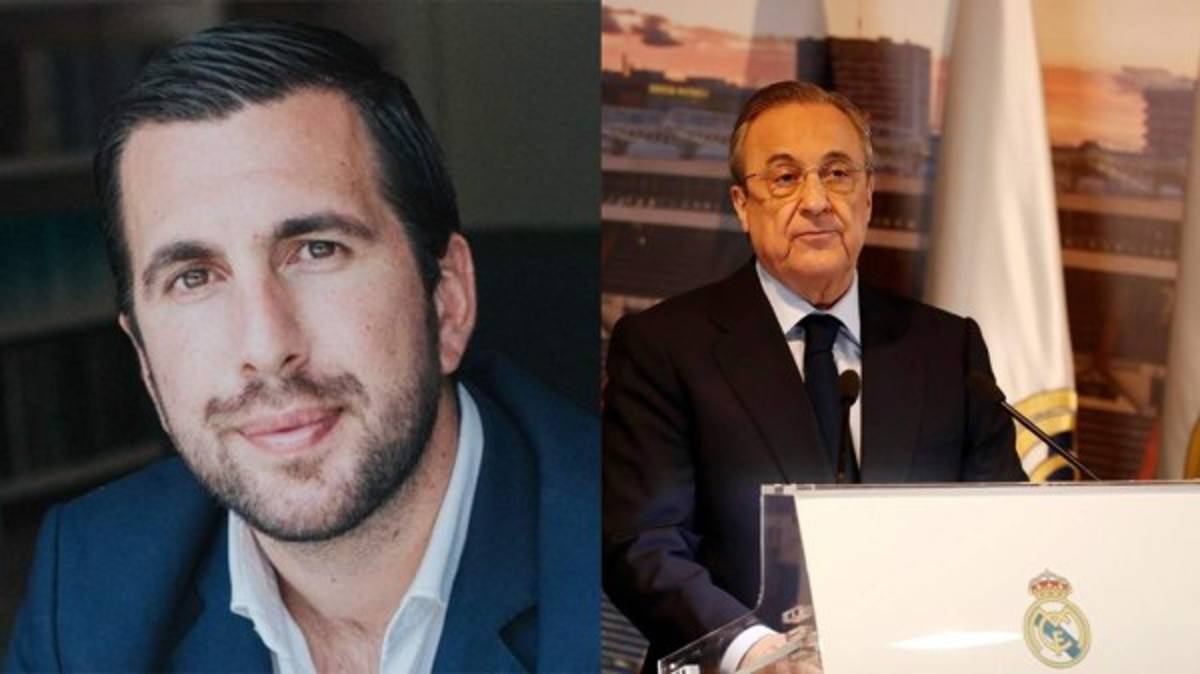
The leadership structure of Real Madrid, one of the most storied institutions in global football, remains a focal point of intense scrutiny as internal and external voices challenge the status quo. As we navigate the current landscape of European football governance, the discourse surrounding the club’s presidency has shifted from mere speculation to a direct confrontation regarding the future direction of the organization. For observers of the sport, these developments are not just about club politics; they represent a broader tension between traditional management models and the evolving demands of professional football in the 21st century.
At the center of this dialogue is Enrique Riquelme, a figure who has publicly positioned himself as an alternative to the long-standing leadership of Florentino Pérez. Riquelme’s recent public commentary has emphasized the necessity of courage when engaging with established systems, a sentiment that has resonated within the competitive environment of Spanish football. For those following the Real Madrid institutional updates, these challenges highlight the complexities of leadership transitions within major sports entities.
The Evolution of Institutional Governance
The debate over Real Madrid’s presidency is inherently tied to the club’s unique status as a member-owned organization. Unlike many clubs that operate under private ownership or corporate conglomerates, Real Madrid’s members, or socios, hold the power to elect their leadership. This structure requires candidates to engage directly with the membership, a process that has historically been dominated by figures with deep-rooted connections to the club’s history and infrastructure.
Recent reports have indicated that challengers to the current administration often face significant institutional hurdles. The internal dynamics of the club, often referred to as the “system,” create a high barrier to entry for those seeking to implement new visions. According to public statements from Enrique Riquelme regarding his candidacy, the process of challenging an incumbent requires not only a robust financial plan but also a willingness to navigate the intense public and private pressures inherent in the role.
Clarity Amidst the Noise
In the high-stakes world of elite football, public perception is often shaped by intense media coverage and symbolic actions. Recent incidents, including public displays and statements from those vying for influence, have underscored the visibility of this contest. However, it is essential for stakeholders and fans to distinguish between campaign rhetoric and the formal statutes and regulations that govern the club’s electoral process. These regulations serve as the bedrock for any transition of power, ensuring that the democratic rights of the socios remain protected.
The intensity of the current environment suggests that the conversation regarding the club’s future is far from resolved. Whether through formal electoral challenges or broader institutional reform, the path forward for Real Madrid involves balancing its historic identity with the pressures of modern sports economics. As an editor who has followed the European game for over a decade, I find that the most critical element in these situations is transparency. The governance standards set by La Liga also play a role in ensuring that all clubs within the league maintain financial and operational integrity, which remains a key area of concern for all presidential candidates.
What Happens Next
For the average supporter, the “system” of a club like Real Madrid can feel distant and impenetrable. Yet, the decisions made in the boardroom have immediate consequences for the pitch, from transfer budgets to stadium development projects. The upcoming periods of institutional review will be crucial for those interested in the club’s trajectory.
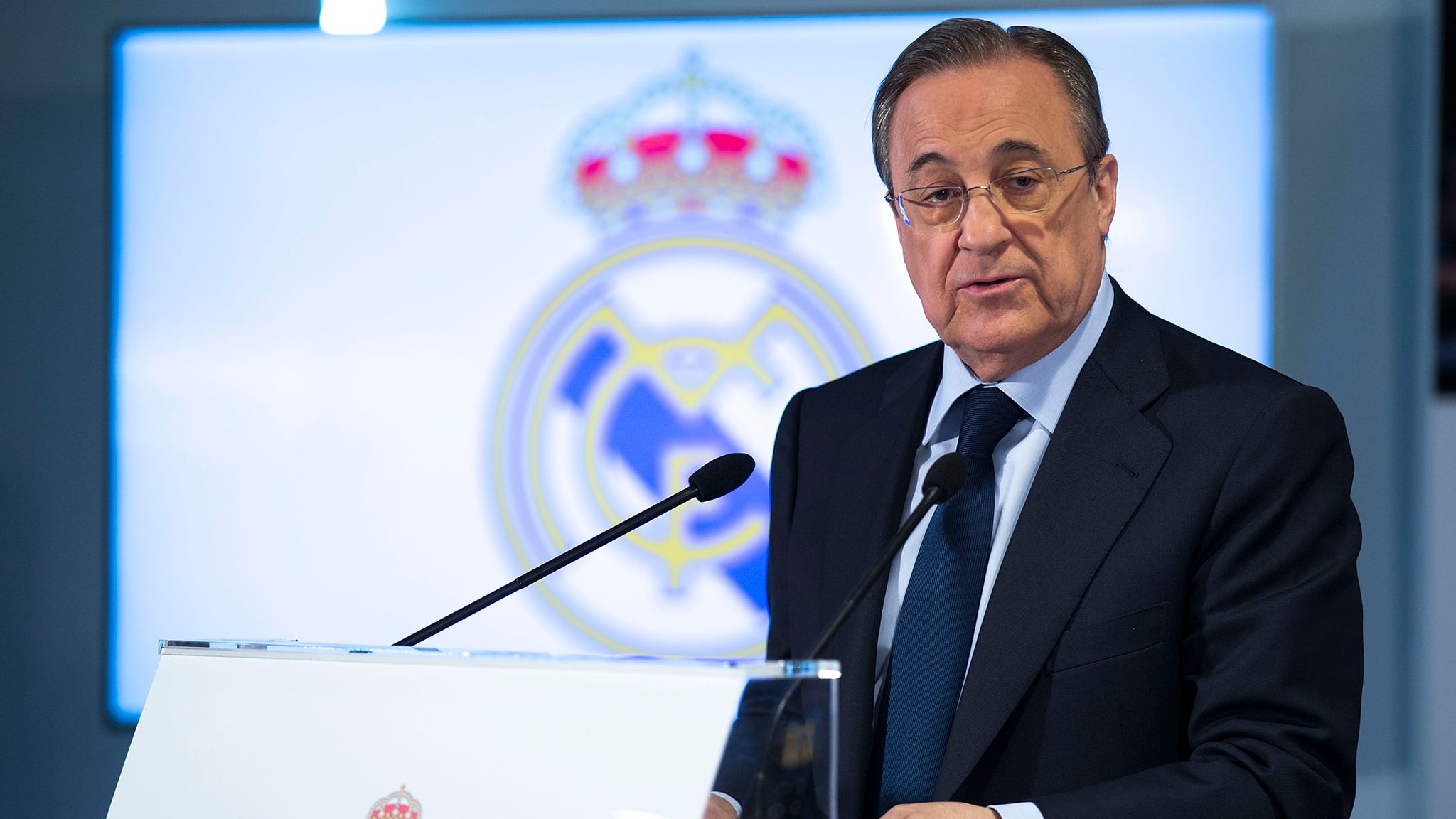
As of June 2026, there have been no official announcements regarding an immediate shift in the club’s leadership structure. Fans and interested parties should continue to monitor official club communications for any updates regarding electoral timelines or changes to governance policies. The resilience of the club, regardless of its internal leadership debates, remains a testament to its enduring role in the world of sports.
We invite our readers to share their perspectives on the future of sports governance. How should historic clubs balance the need for stability with the demand for change? Join the conversation in the comments section below and stay tuned to World Today Journal for ongoing coverage of this developing story.