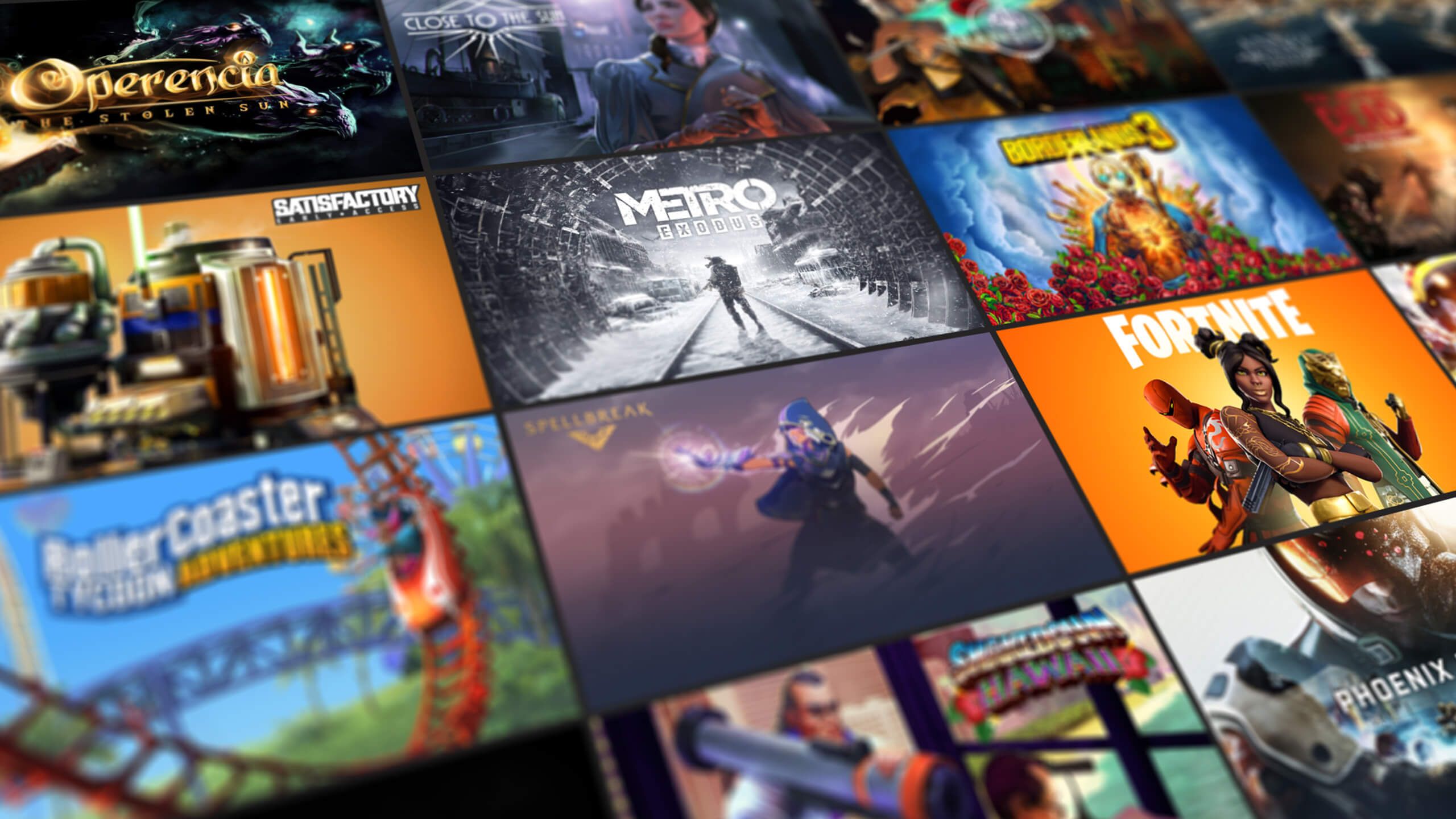
For years, the digital distribution landscape has been defined by a fierce rivalry between two giants: Valve’s Steam and the Epic Games Store. In an aggressive bid to capture market share, Epic Games implemented a high-profile strategy of offering a rotating door of free titles to entice users. However, recent reports suggest that the Epic Games Store free games strategy has not been enough to break the deep-rooted loyalty players have for Steam.
The core of the issue appears to be a behavioral pattern where users treat the Epic Games Store as a destination for “claiming” free content rather than a primary ecosystem for gaming. According to reports from former employees, many users simply log in to redeem a free game and immediately return to Steam for their primary gaming experience, effectively treating the store as a promotional giveaway site rather than a comprehensive digital storefront.
This dynamic highlights a significant gap between user acquisition and user retention. While the promise of a free game can drive a massive spike in traffic, it does not necessarily translate into long-term platform migration. For many PC gamers, the social features, library management, and overall stability of Steam remain the gold standard, making it difficult for Epic to convert “freebie hunters” into loyal customers.
The Struggle for Platform Loyalty
The Epic Games Store has positioned itself as a developer-friendly alternative, often highlighting its lower commission rates compared to Steam. However, the consumer side of the equation is more complex. The convenience of having a centralized library, integrated community forums, and a robust set of social tools has kept the majority of the gaming population anchored to Valve’s platform.
The trend of users returning to Steam after claiming free titles is not just anecdotal. Reports indicate that this has been a persistent challenge for the store throughout its existence. The reliance on free games creates a “transactional” relationship with the user; the user receives a product at no cost, but feels no inherent need to browse the store’s paid catalog or engage with its community features once the transaction is complete.
the technical experience of switching between launchers can be a deterrent. Some users have expressed frustration with the speed and interface of the Epic launcher, leading to discussions in community forums about ways to integrate or launch Epic titles through Steam to avoid using the standalone Epic client as seen in user discussions on Reddit.
Comparing the Two Ecosystems
To understand why players are hesitant to leave Steam, it is necessary to look at what each platform offers. The Epic Games Store focuses heavily on exclusivity and aggressive pricing strategies, including the aforementioned free game giveaways. They provide a streamlined experience for titles like Fortnite and various DLCs and mods for PC games.
Steam, conversely, has spent nearly two decades building a comprehensive social network for gamers. From the Steam Workshop for mods to the complex achievement systems and integrated friend lists, Steam is more than a store—it is a social hub. This “stickiness” is what Epic has struggled to replicate, regardless of how many high-quality games it gives away for free.
The disparity is likewise evident in the search results for publishers. While Epic is a major player, Valve’s store continues to host a vast array of titles from diverse publishers, including some Epic-published games like Hatoful Boyfriend and Shadow Complex Remastered as listed in the Steam search database.
Key Takeaways on the Store Rivalry
- Acquisition vs. Retention: Free games successfully attract new users but fail to retain them as primary platform users.
- The “Steam Effect”: Steam’s deep integration of social tools and community features creates a high barrier for users to switch platforms.
- User Behavior: A significant portion of the Epic Games Store user base operates on a “claim and leave” basis.
- Launcher Friction: The requirement to use separate launchers for different stores remains a point of contention for PC gamers.
What This Means for the Future of Digital Distribution
The ongoing struggle suggests that in the modern software economy, “free” is not a sufficient substitute for “ecosystem.” For a platform to succeed, it must provide a value proposition that extends beyond the initial price point of the software. Epic Games has succeeded in putting thousands of games into the hands of players, but it has yet to convince those players that the store itself is the best place to manage their gaming life.
As the industry moves forward, the focus may shift from aggressive acquisition to improving the quality of life for the existing user base. If Epic can bridge the gap in social functionality and user experience, they may eventually see a shift in loyalty. Until then, the cycle of claiming a free game on Friday and returning to Steam on Saturday is likely to continue.
For those interested in tracking the evolution of these platforms, the next key indicators will be the release of major exclusive titles and any potential updates to launcher integration that might reduce the friction of using multiple stores.
Do you prefer the convenience of a single library or the benefits of multiple stores? Share your thoughts in the comments below.