The Hidden Costs of Anonymity: How #MeToo and the epstein Case Reveal Flaws in Reporting on Sexual Abuse
The #metoo movement undeniably sparked crucial conversations and accountability. However, a critical examination reveals how even well-intentioned journalistic practices can inadvertently silence survivors and distort the narrative around sexual abuse. This is particularly evident in high-profile cases like that of Jeffrey Epstein, where the focus often shifts from the harm inflicted to the reputations of the powerful. As a media analyst with years of experience observing these dynamics, I want to explore how we can do better – and why it matters.
The #MeToo Paradox: high-Profile Cases vs. Everyday Realities
Initially, #MeToo investigations understandably gravitated towards prominent figures and dramatic revelations. This approach,while impactful in some ways,often overshadowed the ongoing struggles of survivors navigating recovery,legal battles,and community healing. A Yale study highlighted this trend, showing a disproportionate focus on “spectacular falls from power.”
This isn’t to diminish the importance of holding perpetrators accountable. But it dose raise a crucial question: are we truly serving the interests of justice when we prioritize notoriety over the nuanced experiences of those harmed?
Why Anonymity Isn’t Always Protective: The Unintended Consequences
Protecting survivors is paramount. Policies against naming victims are vital, shielding them from potential harassment, discrimination, and even danger – especially for minors, where digital footprints pose long-term risks. In cultures where sexual violence carries intense stigma,anonymity can be a lifeline.
Though, research consistently demonstrates that how we frame these stories matters profoundly. Studies on media framing reveal a risky imbalance:
* Perpetrator focus: When coverage delves into the complexities of the accused – their background, career, and motivations – audiences tend to empathize with them.
* Victim Erasure: Referring to survivors as “a victim” or “accusers” in the singular dehumanizes their experience and invites scrutiny of their behavior.
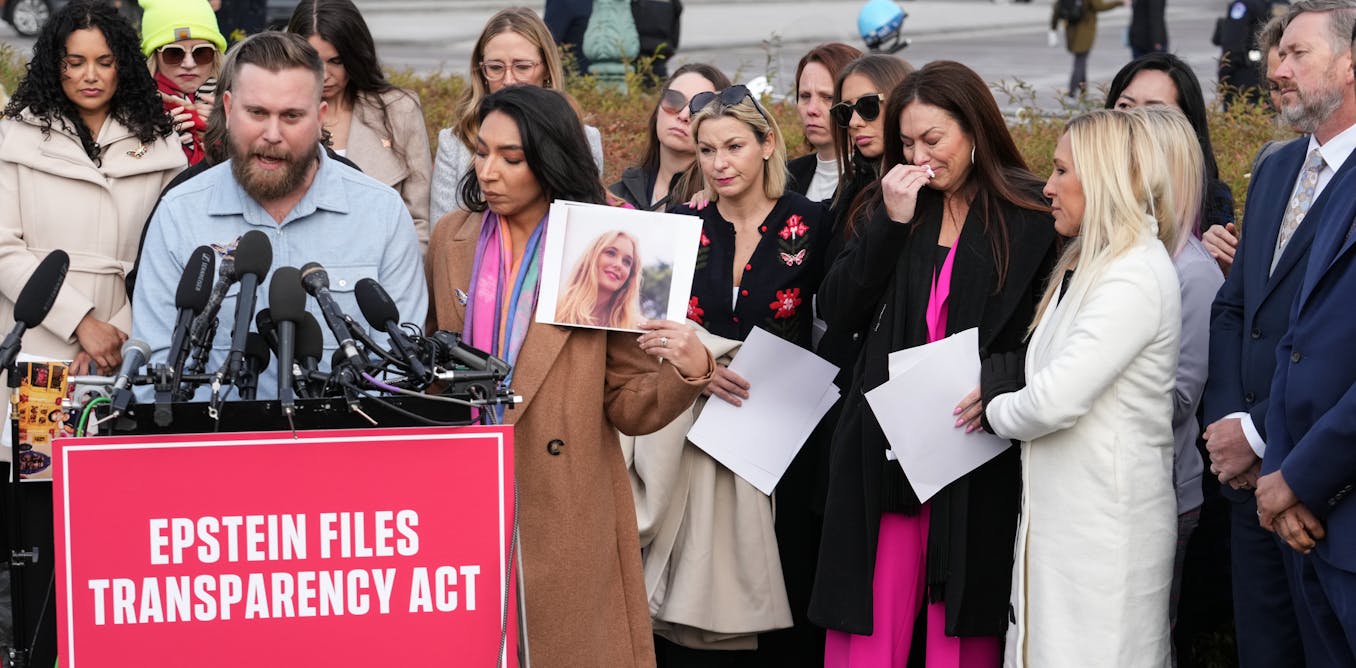
this dynamic is amplified in cases like Epstein’s, where the focus is on naming and dissecting the powerful men connected to him, while survivors remain a faceless mass. Anonymity, intended to protect, ironically flattens their stories, reducing individual experiences of grooming, coercion, and survival into a single, undifferentiated category.
The Epstein Case: A Window into News Values
The current coverage of the Epstein scandal is particularly revealing. The suspense isn’t primarily about hearing more survivor testimonies, but about the potential fallout for influential individuals. This framing subtly communicates who is considered “newsworthy.”
Chasing a “client list” while meticulously anonymizing survivors sends a clear message: the reputations of the elite matter more than the harm inflicted upon vulnerable individuals. The story becomes less about the decades of abuse and more about who might be embarrassed or exposed.
A Survivor-Centered Approach to Journalism
So, what would a more ethical and effective approach look like? It starts with shifting our questions:
* Prioritize Survivor Agency: Actively seek out survivors who choose to speak on the record and understand their reasons for doing so.
* Protect Anonymity Respectfully: When anonymity is requested, prioritize robust protection while still conveying the survivor’s individuality and agency.
* Focus on Impact, Not Just Names: Explore the long-term consequences of abuse on survivors’ lives, not just the potential repercussions for the accused.
These aren’t merely ethical considerations; they’re essential to sound news judgment. Editors and reporters must ask themselves: is the next famous name the most importent part of this story, or are the lives of those whose abuse made that name newsworthy?
Reclaiming the Narrative: Why This Matters to You
As consumers of news, you have a role to play. Demand reporting that centers survivors,respects their agency,and avoids perpetuating harmful framing. Support news organizations committed to ethical and nuanced coverage of sexual abuse.
Ultimately, a survivor-centered approach isn’t just about doing what’s right; it’s about telling the full story. It’s about recognizing the humanity of those who have been harmed and ensuring that their voices are heard, not lost in the shadows of power and privilege.
Further Resources:
* [Yale News: Does #MeToo Make a Difference in Sex Crime Reporting?](https://news.yale.edu