
Modern Mexico Reopens Investigation Into Jeffrey Epstein’s Zorro Ranch Amid FBI Files Revelations
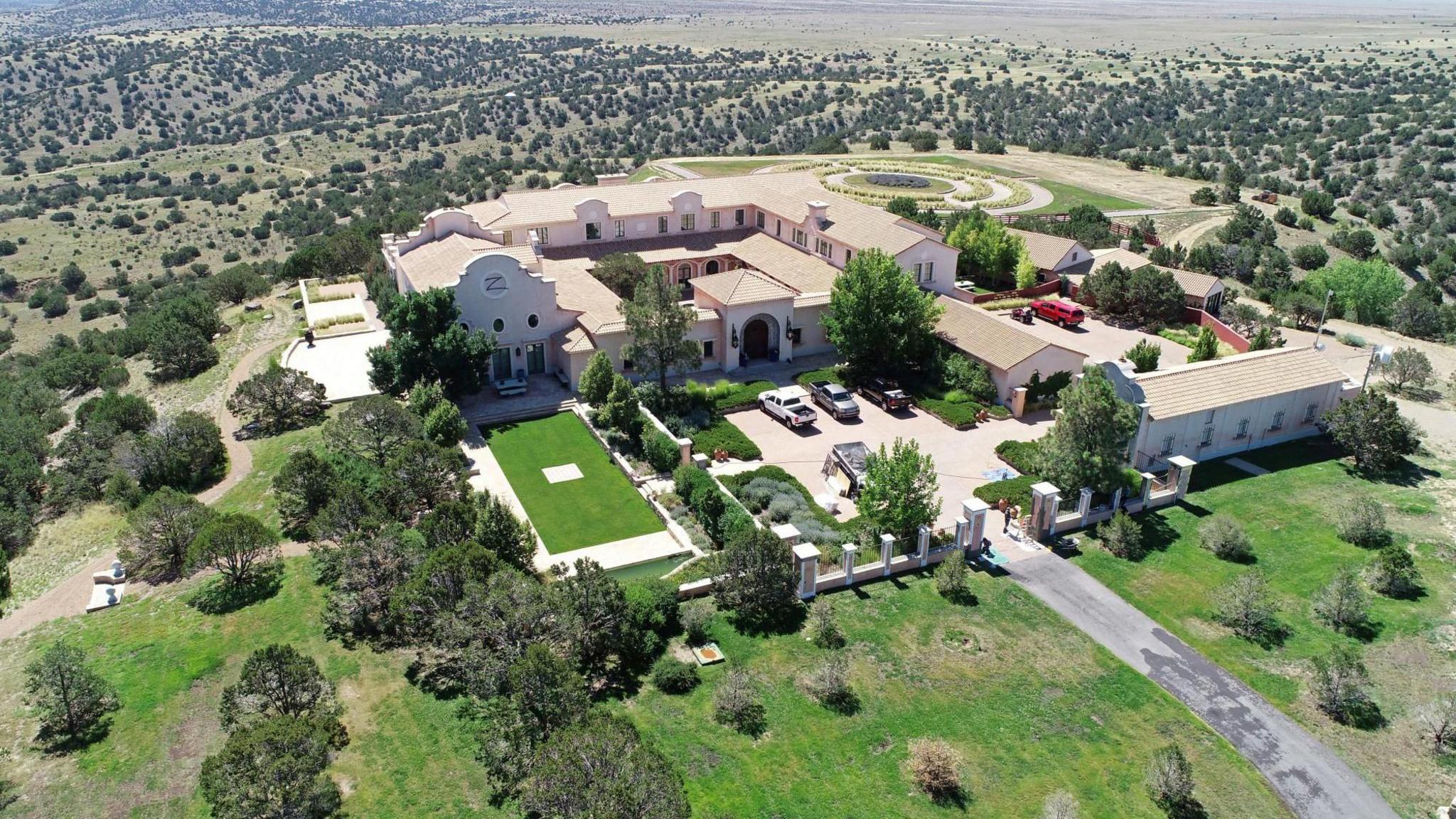
On Monday, April 27, 2026, state investigators in New Mexico launched a search of the sprawling Zorro Ranch, a property once owned by the late financier and convicted sex offender Jeffrey Epstein. The operation, conducted by the New Mexico Department of Justice in coordination with local law enforcement, marks a significant escalation in the state’s renewed criminal investigation into allegations of sexual abuse and sex trafficking linked to the ranch. The search follows the recent release of previously sealed FBI files, which prosecutors say contain new evidence warranting further examination.
The Zorro Ranch, located about 30 miles south of Santa Fe in the small community of Stanley, has long been shrouded in controversy. Epstein purchased the 7,500-acre property in 1993 from former New Mexico Governor Bruce King and transformed it into a private compound complete with a hilltop mansion and a private airstrip. For decades, the ranch was a site of high-profile gatherings, with Epstein reportedly hosting politicians, academics, and celebrities. However, it also became a focal point of allegations involving the abuse of young women, some of whom were allegedly trafficked to the property.
The New Mexico Attorney General’s Office, led by Raúl Torrez, announced the reopening of the investigation in February 2026, citing “revelations outlined in the previously sealed FBI files” as the catalyst for the decision. The state’s initial probe into the ranch was closed in 2019 at the request of federal prosecutors in New York, who were then leading a broader investigation into Epstein’s crimes. Torrez’s office has not disclosed the specific contents of the FBI files that prompted the renewed scrutiny, but the search suggests prosecutors are pursuing tangible evidence that could support criminal charges.
The Search: What We Know
The search of Zorro Ranch began early Monday morning, with teams from the New Mexico State Police and the Sandoval County Sheriff’s Office assisting the Department of Justice. A spokesperson for the Attorney General’s Office confirmed that the operation was being conducted with the full cooperation of the ranch’s current owners, the family of Texas businessman Don Huffines. Huffines, a Republican candidate for Texas state comptroller, purchased the property in 2023 through a sale arranged by Epstein’s estate. Proceeds from the sale were directed toward Epstein’s creditors as part of the estate’s settlement process.
In a statement released on Monday, the New Mexico Department of Justice emphasized its commitment to transparency and accountability. “The New Mexico Department of Justice appreciates the cooperation of the current property owners,” the agency said. “Prosecutors will continue to preserve the public appropriately informed, support the survivors, and follow the facts wherever they lead.” The statement did not specify the duration of the search or the types of evidence being sought, but legal experts suggest investigators may be looking for physical records, digital devices, or other materials that could corroborate allegations of abuse.
Epstein’s death in a New York jail cell in August 2019, ruled a suicide by the city’s medical examiner, effectively ended federal prosecutions against him. However, the release of thousands of pages of court documents and FBI files in early 2026—part of a long-running legal battle to unseal records related to Epstein’s case—has reignited public and legal interest in his activities. The files, which include testimony from victims, associates, and law enforcement officials, have provided new details about Epstein’s network and the extent of his alleged crimes, including those that may have occurred at Zorro Ranch.
Allegations and Legal Context
Allegations of abuse at Zorro Ranch date back to the 1990s and early 2000s, though they gained wider attention following Epstein’s 2019 arrest. Victims and witnesses have described the ranch as a site where young women were brought under false pretenses, often under the guise of employment or social events, and then subjected to sexual abuse. Some accounts suggest that Epstein used the ranch’s remote location to isolate victims, making it difficult for them to escape or seek help.

The reopening of the New Mexico investigation reflects a growing trend of state-level prosecutions filling gaps left by federal cases. In Epstein’s case, federal prosecutors in New York secured a plea deal in 2008 that allowed him to avoid a lengthy prison sentence, a decision that was widely criticized as lenient. The deal also included a non-prosecution agreement for Epstein’s alleged co-conspirators, which has since been challenged in court. New Mexico’s decision to revisit its own investigation suggests that state officials believe there may be sufficient evidence to pursue charges against individuals other than Epstein, though no suspects have been named.
Legal experts note that the statute of limitations for many of the alleged crimes at Zorro Ranch may have expired, complicating efforts to prosecute Epstein’s associates. However, New Mexico’s laws include provisions that toll the statute of limitations in cases involving minors, potentially extending the window for legal action. The state’s Attorney General’s Office has not commented on whether any individuals are currently under investigation, but the search of the ranch indicates that prosecutors are actively pursuing leads.
The Ranch’s New Owners and Public Reaction
The sale of Zorro Ranch in 2023 to the Huffines family drew scrutiny from advocacy groups and survivors of Epstein’s abuse, who expressed concerns about the property’s future. Don Huffines, a former Texas state senator and real estate developer, has not publicly commented on the search or the allegations surrounding the ranch. His campaign for Texas state comptroller, which he won in a Republican primary earlier this month, has focused on fiscal conservatism and government transparency, though his connection to the Epstein property has become a point of contention among critics.
Advocacy organizations, including the Survivors Justice Network and the Rape, Abuse & Incest National Network (RAINN), have praised New Mexico’s decision to reopen the investigation. In a statement, RAINN President Scott Berkowitz called the search “a critical step toward justice for survivors who have waited far too long for accountability.” The organization has also urged other states where Epstein owned properties, including Florida, New York, and the U.S. Virgin Islands, to review their own cases in light of the newly released FBI files.
Public reaction to the search has been mixed. Some residents of Sandoval County, where the ranch is located, have expressed frustration over the renewed attention to the property, arguing that it unfairly tarnishes the reputation of their community. Others, however, have welcomed the investigation, viewing it as an opportunity to uncover the truth about Epstein’s activities and hold accountable those who may have enabled his crimes.
What Happens Next?
The New Mexico Department of Justice has not provided a timeline for the investigation or the search of Zorro Ranch. Legal analysts suggest that the process could take months, if not years, depending on the volume of evidence collected and the complexity of the case. If prosecutors uncover sufficient evidence, they may pursue charges against individuals connected to Epstein’s activities at the ranch, though any such cases would likely face significant legal challenges, including the statute of limitations and the difficulty of proving crimes that occurred decades ago.
For survivors of Epstein’s abuse, the search represents a rare moment of progress in a case that has been marked by delays and legal obstacles. Many have called for a federal commission to investigate Epstein’s network and the institutions that may have facilitated his crimes, though no such body has been established. In the meantime, the New Mexico investigation remains one of the few active legal efforts to address the allegations surrounding Epstein’s properties.
As the search continues, the New Mexico Attorney General’s Office has pledged to provide updates as warranted. The next official statement is expected once investigators have completed their initial review of the evidence collected at Zorro Ranch. For now, the case serves as a reminder of the enduring questions surrounding Epstein’s crimes and the ongoing struggle for justice by those who survived them.
Key Takeaways
- Search Underway: New Mexico investigators are searching Jeffrey Epstein’s former Zorro Ranch as part of a renewed criminal investigation into allegations of sexual abuse and sex trafficking.
- FBI Files Cited: The investigation was reopened in February 2026 after the release of previously sealed FBI files, which prosecutors say contain new evidence.
- Cooperation from Owners: The search is being conducted with the cooperation of the ranch’s current owners, the family of Texas businessman Don Huffines.
- Legal Challenges: Prosecutors face hurdles, including the statute of limitations and the difficulty of proving crimes that may have occurred decades ago.
- Survivor Advocacy: Advocacy groups have praised the investigation, calling it a step toward accountability for survivors of Epstein’s abuse.
- Next Steps: The New Mexico Department of Justice has not provided a timeline for the investigation but has pledged to keep the public informed.
Have thoughts on this developing story? Share your comments below, and don’t forget to follow World Today Journal for the latest updates on this and other global news stories.