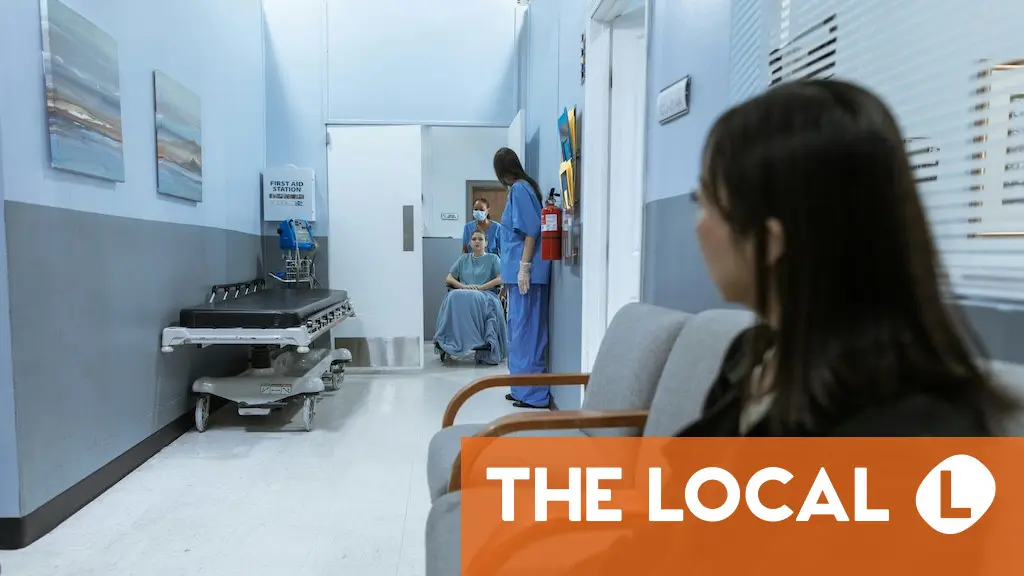
When is it ok to proceed to the ER in Spain and when is it not? This question resonates with both residents and visitors navigating Spain’s public healthcare system, where emergency departments—known locally as urgencias—are frequently used for non-emergency conditions. Understanding when to seek immediate care versus when to consult a primary care provider can significantly reduce wait times and ensure resources are available for those with life-threatening conditions.
The general consensus among doctors in Spain is that people should only go to urgencias at a major public hospital if they experience specific serious symptoms. These include chest pain—particularly in males over aged 50—which can also be accompanied by cold sweats and dizziness. Weakness or numbness, particularly in the case of a stroke or other accident, is another key indicator. Bleeding, including vomiting blood, rectal bleeding, coughing up blood, or heavy bleeding after an injury anywhere on the body, also warrants emergency care. Fractures or broken bones, loss of consciousness, and stroke symptoms like one-sided facial paralysis, one-sided body weakness, or slurred speech are clear reasons to seek urgent care. Anaphylactic shock or severe allergic reactions, injuries after a bad accident, and worrying symptoms like pain or bleeding during pregnancy also require immediate emergency attention.
Patients presenting with these symptoms are prioritized based on clinical severity, meaning individuals with less urgent concerns may experience extended waits. As noted in healthcare guidance, Spaniards often go to urgencias even when it’s not a serious medical emergency, which can lead to longer waits for those with genuine emergencies, as patients are typically seen in order of severity.
It’s important to know that there are different types of public healthcare facilities where you can get emergency help in Spain. The two main ones are the local health centres (Centros de Salud de Atención Primaria) where GPs are, and then the large hospitals with all the different healthcare units for real medical emergencies. The Urgencias department in a public hospital is the equivalent of an Accident and Emergency (A&E) department or an Emergency Room (ER)—walk-in access is available without an appointment for genuine emergencies.
For non-emergency issues such as mild stomach bugs, toothaches, or common colds—even if unpleasant—medical professionals advise against visiting the hospital ER. These conditions are better managed through primary care services or scheduled appointments, helping to preserve emergency capacity for critical cases. Authorities continue to emphasize public awareness campaigns to guide appropriate use of urgencias services, particularly during peak demand periods.
As of April 2026, ongoing discussions within Spain’s healthcare system focus on improving patient flow and reducing inappropriate ER utilization through better public education and expanded access to after-hours primary care. No new national mandates or legislative changes regarding ER access protocols have been officially announced as of this date.
Stay informed about your healthcare options in Spain by consulting official regional health service websites or speaking with your assigned primary care physician. Share this guide to help others make informed decisions about when to seek emergency care.