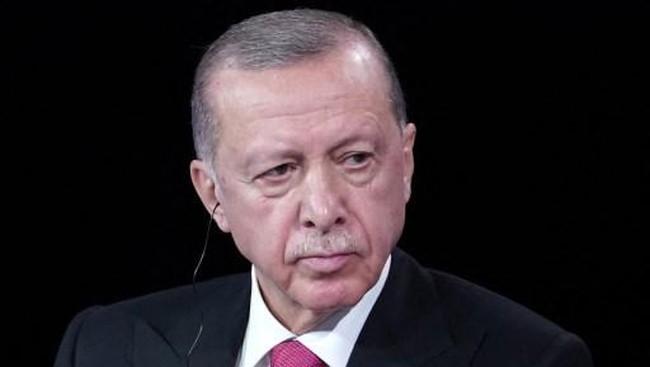
Erdogan Calls for De-escalation as Tensions Rise Between Iran, US, and Israel
Amidst escalating tensions following recent exchanges between Iran and the United States and Israel, Turkish President Recep Tayyip Erdogan has urged for an immediate cessation of hostilities and expressed Ankara’s readiness to facilitate a ceasefire. Speaking to members of his ruling Justice and Development Party (AKP) in Ankara on Monday, Erdogan emphasized Turkey’s commitment to peace and regional stability, calling for an end to what he described as a cycle of bloodshed. The call for de-escalation comes as the region braces for potential further conflict, with concerns mounting over the broader implications of the escalating situation. The timing of this appeal is particularly poignant as the Muslim holy month of Ramadan begins, a period traditionally associated with peace and reflection.
“We are on the side of peace,” Erdogan stated, according to reporting by AFP on Tuesday, March 3, 2026. “We want the bloodshed to end, the tears to stop flowing, and our region to finally achieve the lasting peace it has yearned for for years.” This statement underscores Turkey’s position as a potential mediator in the increasingly volatile geopolitical landscape. Erdogan’s remarks reflect a broader concern within Turkey regarding the potential for regional instability, particularly given its close proximity to Iran and its complex relationships with both the United States and Israel.
Turkey’s Position and Concerns Regarding Regional Stability
Erdogan reiterated Turkey’s desire to avoid further escalation with its neighbors, particularly during Ramadan. This sentiment highlights the delicate balance Turkey seeks to maintain in the region, navigating its relationships with key actors while prioritizing regional peace. Turkey shares a roughly 500-kilometer border with Iran, making it directly impacted by any significant instability in the region. While Ankara has not been directly targeted in the recent retaliatory actions, reports indicate Iran has deployed drones and missiles towards countries in the region housing interests of the United States. This proximity and potential for spillover effects underscore the urgency of de-escalation efforts.
The Turkish president also characterized the attacks carried out by the US and Israel on Saturday as “illegal,” a stance consistent with his often-critical stance towards Israel, even while maintaining working relationships with US President Donald Trump. This criticism reflects a long-standing pattern in Erdogan’s foreign policy, where he frequently voices strong opinions on international issues, often diverging from Western consensus. The Foundation for Defense of Democracies reported on Tuesday, March 3, 2026, that Turkey has condemned the US strikes on Iran, signaling a clear alignment with Tehran in this instance. This condemnation further illustrates the complex geopolitical dynamics at play and Turkey’s willingness to challenge established alliances.
Commitment to Diplomatic Efforts and Humanitarian Concerns
Erdogan affirmed Turkey’s commitment to intensifying diplomatic contacts at all levels to achieve a ceasefire and restore calm to the region. “We will intensify our contacts at all levels until a ceasefire is agreed upon and calm is restored in the region,” he said, expressing his sorrow over the suffering of civilians, including children, in Iran as a result of the conflict. This expression of concern for civilian casualties underscores Turkey’s humanitarian focus and its desire to see a swift resolution to the crisis. The Daily Sabah reported on Tuesday, March 3, 2026, that the threat of instability next door is a major concern for Turkey, with Israel looming large in the equation.
Turkey’s role as a NATO member and its strategic location make it a crucial player in regional security. Its ability to engage with both Iran and Western powers positions it as a potential bridge for dialogue and negotiation. However, navigating these complex relationships requires careful diplomacy and a commitment to impartiality. The current situation presents a significant challenge for Turkey, requiring it to balance its own national interests with its desire for regional stability and peace. The potential for miscalculation and escalation remains high, making Turkey’s diplomatic efforts all the more critical.
Broader Regional Implications and Turkey’s Strategic Considerations
The recent escalation between Iran and the US/Israel has broader implications for the Middle East, potentially exacerbating existing conflicts and creating new opportunities for instability. The conflict also occurs against the backdrop of ongoing regional tensions, including the war in Yemen and the Syrian civil war. These interconnected conflicts create a complex web of alliances and rivalries, making it challenging to predict the long-term consequences of the current crisis. Turkey’s strategic considerations are further complicated by its own regional ambitions and its desire to maintain its influence in the Middle East.
The situation also raises concerns about the potential for increased terrorist activity and the disruption of energy supplies. The Strait of Hormuz, a vital waterway for global oil shipments, is located near Iran, and any disruption to shipping could have significant economic consequences. Turkey, as a major energy consumer, is particularly vulnerable to such disruptions. Maintaining stability in the region is not only a matter of geopolitical concern but also a matter of economic security for Turkey.
The ongoing conflict also highlights the limitations of current diplomatic efforts and the need for a more comprehensive approach to regional security. The involvement of multiple actors, each with their own interests and agendas, makes it difficult to find a solution that is acceptable to all parties. Turkey’s role in facilitating dialogue and promoting de-escalation is therefore crucial, but it requires the cooperation of all stakeholders. The success of these efforts will depend on the willingness of all parties to compromise and prioritize regional stability over narrow national interests.
As the situation continues to unfold, Turkey is likely to play an increasingly crucial role in shaping the regional response. Its commitment to diplomacy, its strategic location, and its relationships with key actors position it as a vital player in the effort to prevent further escalation and promote a lasting peace. The coming days and weeks will be critical in determining the future of the region, and Turkey’s actions will undoubtedly have a significant impact on the outcome.
The international community will be closely watching Turkey’s efforts to mediate a ceasefire and de-escalate tensions. The need for a peaceful resolution to the conflict is paramount, and Turkey’s leadership in this regard could be instrumental in preventing a wider regional war. Further developments are expected as diplomatic efforts continue, and the world awaits a resolution that prioritizes peace and stability in the Middle East.
Next Steps: Diplomatic efforts are expected to continue in the coming days, with Turkey actively engaging with regional and international stakeholders. Further statements from President Erdogan and other Turkish officials are anticipated as the situation evolves. Stay tuned to World Today Journal for ongoing coverage of this developing story.
What are your thoughts on Turkey’s role in mediating this conflict? Share your comments below and share this article with your network.
Worth a look