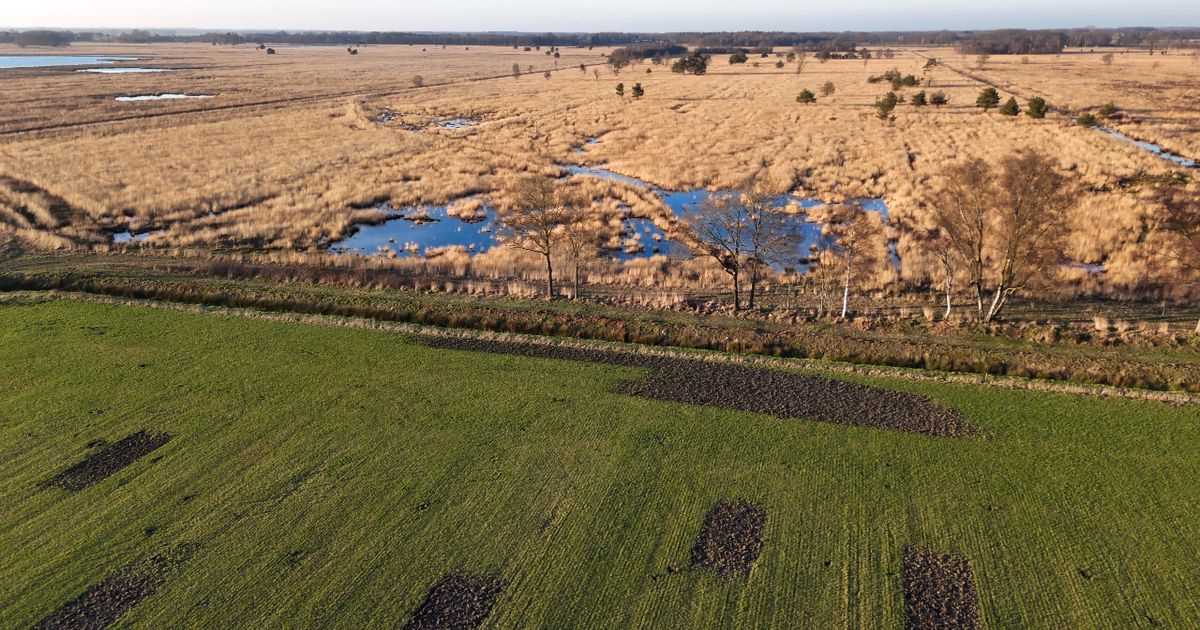
Almelo, Netherlands – A historic estate in the eastern Netherlands, Huize Almelo, faces an uncertain future as rising water levels threaten its very existence. The Van Rechteren family, who have owned the estate for over 600 years – 28 generations – fear that increasingly frequent and severe flooding could spell the finish of their ancestral home and the surrounding lands. The concerns come amid growing anxieties across the region regarding the impact of changing climate patterns and natural water management policies.
The estate, located near Haaksbergerveen, is grappling with the potential consequences of altered water systems. Recent reports indicate that natural water retention projects, intended to restore wetlands, are instead contributing to waterlogging in nearby residential areas and agricultural lands. Locals are expressing frustration, with some reporting flooded basements and even the unsettling discovery of displaced remains in a local cemetery, a situation exacerbated by the natural water management plans. The situation at Huize Almelo is seen as a microcosm of a broader struggle between conservation efforts and the practical realities faced by communities living in low-lying areas.
A Legacy Under Threat: The History of Huize Almelo
Huize Almelo boasts a rich history dating back to the 15th century, when it first came into the possession of the Van Rechteren family. Originally a medieval castle, the structure was largely demolished in the 17th century due to disrepair caused by the Eighty Years’ War. The current castle dates back to around 1660, undergoing significant renovations in 1883, which included alterations to the facade and the creation of an impressive entrance hall and staircase. The estate encompasses approximately 296 hectares of woodland and 493 hectares of agricultural land, identifiable by the distinctive red and yellow shutters adorning the farmhouses. Each farmhouse features the Van Rechteren family crest, along with the year of its construction.
Beyond the main castle, the estate includes several buildings, including bouwhuizen (farmhouses) and an orangery, all of which are currently inhabited. The surrounding parkland is generally not open to the public, except for special occasions. The Van Rechteren family also owns another estate, De Bruine Haar, located between Langeveen and Kloosterhaar, which *is* open to visitors. A notable feature of the Huize Almelo grounds is a three-kilometer-long oak avenue to the east of the house, and a 165-hectare coniferous forest, Nijreesbos, planted after World War II, lies to the southeast.
Rising Waters and Local Concerns
The immediate threat to Huize Almelo stems from rising water levels, a problem that has been intensifying in recent years. Elly and Gerben, residents near Haaksbergerveen, have voiced their concerns about a potentially “swampy” future, even contemplating emigration if the situation deteriorates further. This sentiment reflects a growing sense of unease among residents who feel that current water management strategies are not adequately addressing the challenges posed by changing environmental conditions. The situation is particularly acute for those living in close proximity to restored wetlands, where water retention policies are leading to increased saturation of the surrounding land.
Adding to the frustration is the experience of local residents whose basements have been flooded, and reports of remains being disturbed in the Waarveld cemetery in Haaksbergen due to the saturated ground. These incidents have sparked outrage, with residents accusing the provincial authorities of failing to adequately consider the impact of their natural water management plans. The concerns center around the belief that prioritizing ecological restoration is coming at the expense of the well-being and property of local communities.
The Broader Context: Water Management in the Netherlands
The Netherlands has a long and complex relationship with water management, given its low-lying geography and vulnerability to flooding. Historically, the country has relied on a system of dikes, dams, and polders to reclaim land from the sea and protect against inundation. However, in recent decades, there has been a shift towards more natural water management approaches, emphasizing water retention and ecological restoration. This approach, while aimed at enhancing biodiversity and mitigating the effects of climate change, has also generated controversy, particularly in areas where it has led to increased flooding and waterlogging.
The current situation at Huize Almelo and in the surrounding region highlights the challenges of balancing environmental concerns with the needs of local communities. The debate revolves around finding sustainable solutions that can protect both natural ecosystems and human settlements. The concerns raised by residents underscore the importance of inclusive planning processes that take into account the perspectives and experiences of those directly affected by water management policies. The Dutch government and provincial authorities are facing increasing pressure to address these concerns and find solutions that can ensure the long-term viability of both the natural environment and the communities that depend on it.
Huize Almelo’s Role in the Community
Beyond its historical and architectural significance, Huize Almelo has long been an integral part of the local community. The estate’s owners have consistently demonstrated a strong commitment to social responsibility, supporting various local activities and initiatives. This engagement underscores the family’s deep connection to the region and their desire to preserve its cultural heritage. The future of Huize Almelo is therefore not just a matter of preserving a historic building and landscape, but also of safeguarding a vital part of the local identity.
The estate also offers recreational opportunities, such as walking and cycling trails, contributing to the quality of life for residents and visitors alike. The careful management of the estate’s natural resources, including responsible wildlife management and the preservation of traditional landscape features, further demonstrates the Van Rechteren family’s commitment to sustainability. However, the looming threat of rising water levels casts a shadow over these efforts, raising questions about the long-term viability of the estate and its ability to continue serving as a valuable community asset.
As the situation unfolds, the fate of Huize Almelo remains uncertain. The Van Rechteren family, along with local residents, are hoping for a solution that can protect their heritage and livelihoods while also addressing the broader challenges of climate change and water management. The coming months will be crucial in determining whether this historic estate can withstand the rising waters and continue to stand as a symbol of Dutch history and resilience.
The next steps involve ongoing discussions between local residents, provincial authorities, and water management agencies to explore potential mitigation measures. A public forum is scheduled for late March to address community concerns and discuss proposed solutions. Further updates will be provided as they become available. We encourage readers to share their thoughts and experiences in the comments section below.
Keep reading
- Massimiliano Ambesi Analyzes Current Trends in World Tennis
- Why Measles Is Making a Comeback in the US: Record Cases and Declining Vaccination Rates
- Saudi Arabia Launches First Saudi Water Week in Jeddah to Address Water Security (archyworldys.com)
- Why Nighttime Heat Is Rising Faster Than Daytime Highs in US Cities (daybreakwire.com)