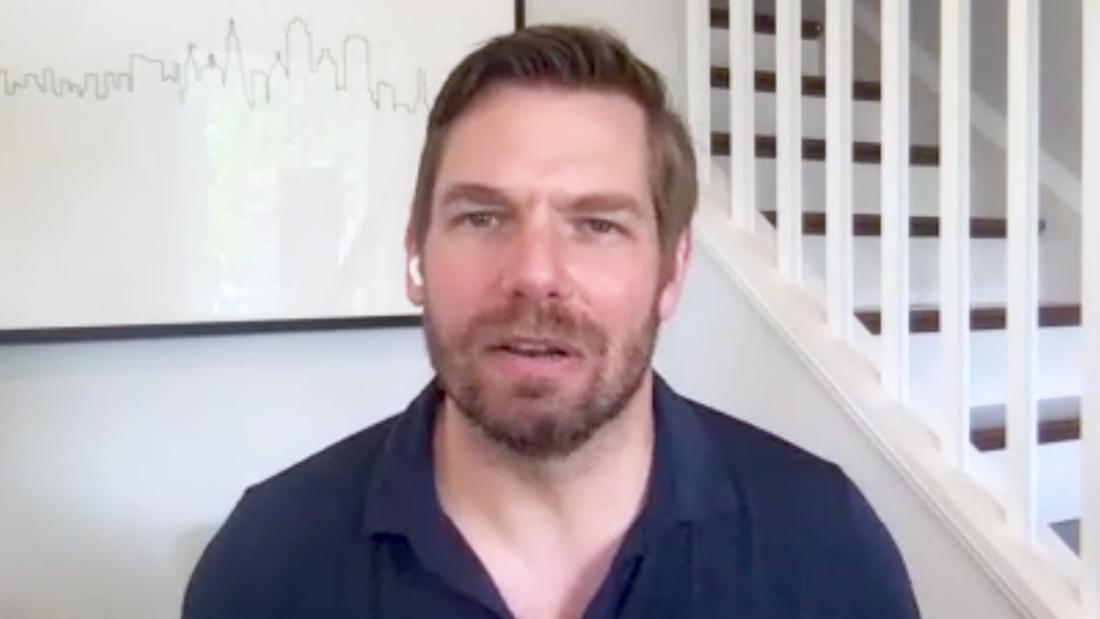
The landscape of Democratic leadership is currently grappling with a severe crisis of confidence as allies and colleagues move rapidly to distance themselves from Eric Swalwell. Following a series of grave allegations involving rape and assault, the former rising star of the party now finds himself isolated, facing a political collapse that has triggered calls for a systemic reckoning within the halls of Congress.
The fallout has been swift, and uncompromising. What was once a trajectory toward the top of Democratic politics has been derailed by Eric Swalwell sexual assault allegations, leaving a vacuum in his representation and a stain on the party’s efforts to maintain a unified front on issues of gender-based violence and accountability. The severity of the claims has shifted the conversation from political survival to a broader debate over the ethics of congressional conduct.
Among the most striking reactions is the public condemnation from those who once shared a close personal and professional bond with Swalwell. The transition from political partnership to absolute repudiation highlights the volatility of the current moment, as the party attempts to purge the influence of an individual now described by former intimates in predatory terms.
The Collapse of Political Alliances
The reaction within the Democratic caucus has been characterized by a race to establish clear boundaries between the party’s leadership and the accused. Reports indicate that members are actively seeking to sever all ties to avoid the political and moral contagion associated with the allegations of rape and assault via The Hill.
This distancing is not merely a strategic maneuver but appears to be a response to the nature of the accusations. The shift in tone from supportive to condemnatory has been most evident in the statements of former allies who have expressed deep regret over their associations. These developments suggest that the party is no longer willing to weather the storm of “rumors,” choosing instead to treat the current allegations as a definitive breaking point.
The Ruben Gallego Repudiation
Few ruptures have been as public or as visceral as that between Eric Swalwell and Senator Ruben Gallego. Once described as best friends, the relationship has completely disintegrated in the wake of the sexual assault claims. Senator Gallego has not only condemned Swalwell but has gone as far as to describe the former representative as a “predator,” stating explicitly that he regrets their past friendship.
The tension between the two has escalated beyond simple condemnation. Gallego has recently had to address specific and damaging accusations regarding his own presence in a video involving Swalwell via Newsweek. This intersection of personal friendship and professional liability has turned the Swalwell case into a cautionary tale regarding the proximity of political figures to those with problematic histories.
Gallego’s move to publicly distance himself is viewed by analysts as an attempt to protect his own standing while signaling to the electorate that there is zero tolerance for the behavior alleged against Swalwell via KTAR News.
A Broader Reckoning in Congress
The Swalwell controversy is being framed by many as the “straw that broke the back” of congressional patience regarding sexual misconduct. The allegations have sparked a wider movement calling for a comprehensive reckoning within the legislative branch. Critics argue that for too long, powerful figures have been allowed to ascend the political ladder despite persistent rumors of misconduct, creating a culture of impunity.
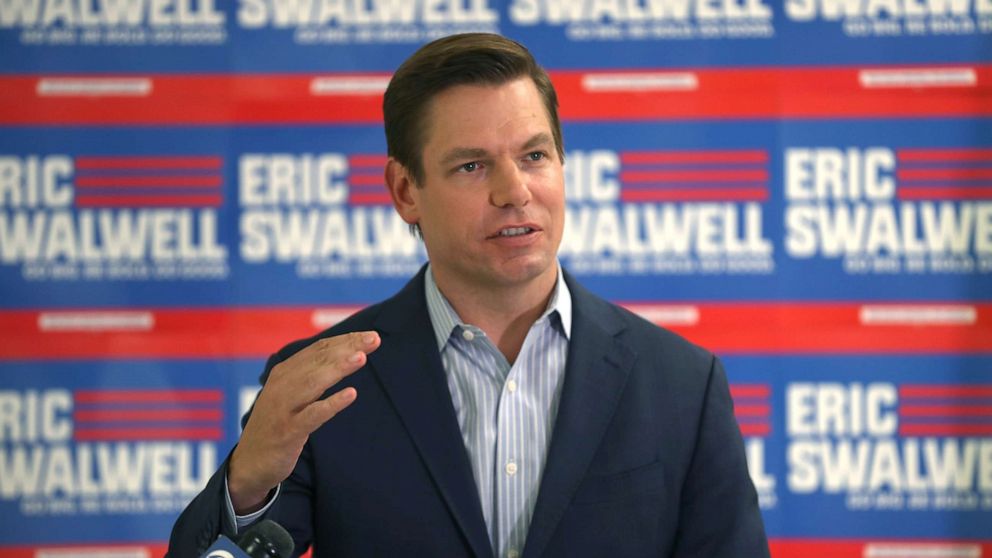
This current crisis has highlighted several systemic failures:
- The Failure of Vetting: Questions are being raised about how individuals with histories of alleged misconduct are able to rise to the top of party politics.
- The Culture of Silence: The emergence of these claims suggests a previous environment where victims felt unable to come forward or where their warnings were ignored by party elites.
- Accountability Gaps: The delay between the emergence of “rumors” and actual political consequences has led to calls for more stringent internal oversight and reporting mechanisms.
The prevailing sentiment is that the Eric Swalwell sexual assault allegations are not an isolated incident but a symptom of a deeper institutional problem that requires a fundamental shift in how Congress handles abuse of power and sexual violence.
The Political Vacuum and Special Election
As the legal and social pressures mount, the practical reality of representation for Swalwell’s constituents has become a primary concern. The political viability of his tenure has effectively ended, leading to direct intervention from the state executive.
Governor Gavin Newsom has officially set a special election for the summer to fill the seat vacated by the turmoil surrounding Swalwell. This move ensures that the district will not remain without representation for an extended period and allows the Democratic Party to reset the seat with a candidate untainted by the current scandal. The timing of the summer election is seen as a critical step in stabilizing the region’s political representation before the next general cycle.
Key Timeline of Political Fallout
| Event | Impact/Action |
|---|---|
| Emergence of Allegations | Claims of rape and assault surface. party members start distancing. |
| Gallego Condemnation | Senator Ruben Gallego labels Swalwell a “predator” and expresses regret. |
| Institutional Response | Calls for a broader congressional reckoning regarding sexual abuse. |
| Executive Action | Governor Newsom schedules a summer special election for the seat. |
What Happens Next
The immediate focus now shifts toward the legal proceedings and the upcoming special election. While the political damage is largely seen as irreversible, the judicial outcome of the assault allegations will likely dictate the long-term narrative of this case. The Democratic Party remains under pressure to prove that its commitment to the “Me Too” era of accountability applies equally to its own rising stars as it does to its opponents.
The next confirmed checkpoint is the summer special election, which will determine the new representative for the district and serve as a referendum on the party’s ability to move past the scandal. Updates regarding the candidate filing deadlines and the specific election date are expected to be released by the Governor’s office in the coming weeks.
World Today Journal encourages readers to share this story and provide their perspectives on congressional accountability in the comments section below.
Related reading