Europe Takes Aim at Reusable Rocket Technology: ESA Contracts Avio for Upper Stage Design
The European Space Agency (ESA) is making a significant move toward reusable rocket technology. They’ve recently awarded a €40 million ($47 million) contract too Avio, the Italian company responsible for the Vega rocket, to design a reusable upper stage capable of orbital flight, safe return to Earth, and subsequent relaunch. This ambitious project represents a significant leap in complexity compared to recovering and reusing booster stages - a feat Europe has yet to achieve.
The Challenge of Reusability: Beyond Booster Recovery
While companies like SpaceX have successfully pioneered reusable booster technology with the falcon 9, achieving reusability with an upper stage presents unique hurdles. The upper stage experiences more extreme conditions during its time in orbit and re-entry. Several companies across the US,China,and Europe are actively pursuing Falcon 9-style reusability,but SpaceX isn’t standing still.
SpaceX is now heavily invested in Starship, a fully reusable rocket exceeding 400 feet in height. Even with the backing of substantial resources, perfecting the technologies required for Starship’s full reusability has proven challenging, as evidenced by recent flight test learnings. However, SpaceX’s continued progress is driving innovation and inspiring similar efforts globally.
ESA and Avio’s Vision: A New Reusable Upper Stage
This new ESA-Avio partnership is a direct response to the evolving landscape of space launch. The contract, signed during the International Astronautical Congress in Sydney, tasks Avio with defining the requirements, system design, and crucial enabling technologies for a demonstrator vehicle.
The goal? To create a reusable upper stage that can safely return to Earth and be prepared for future missions. Avio will deliver a preliminary design, including necessary ground infrastructure, within two years.
What to Expect: Preliminary design and Long-Term Timelines
It’s important to understand that a preliminary design review is an early milestone in aerospace advancement.Europe’s Ariane 6 rocket, such as, completed its preliminary design review in 2016 – a full eight years before its inaugural launch. This highlights the lengthy and complex process involved in bringing new launch systems to fruition.
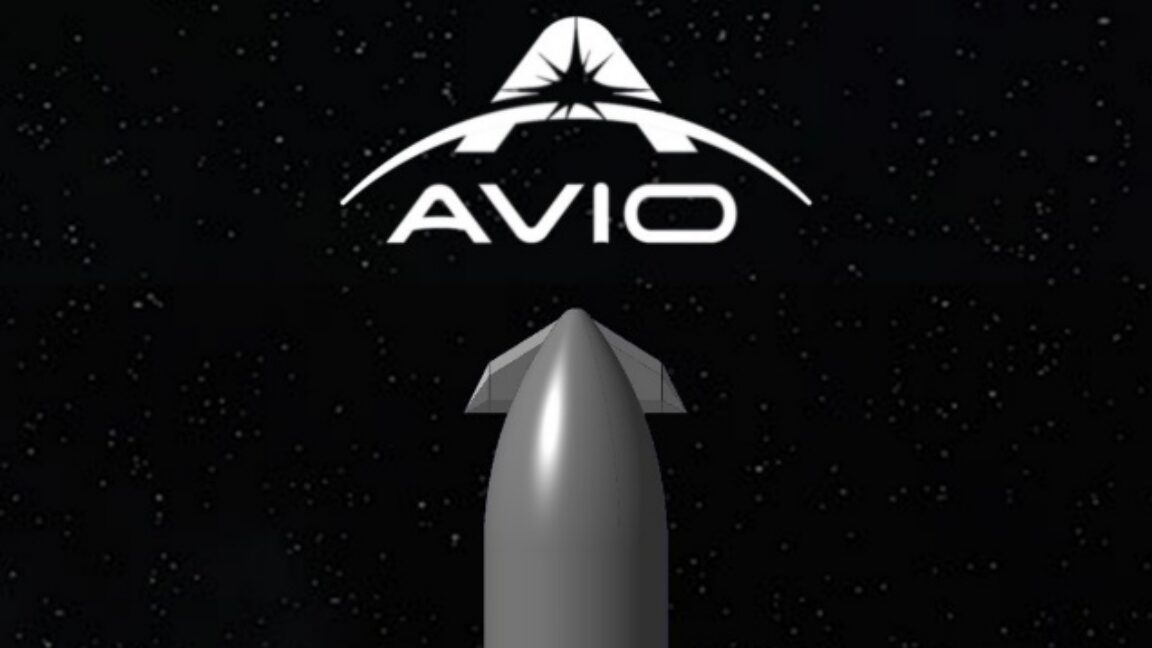
Initial artist’s concepts released by Avio and ESA reveal a design strikingly similar to SpaceX’s Starship, featuring four flaps on both the top and bottom of the vehicle. The reusable upper stage will be positioned atop a booster stage resembling avio’s solid-fueled Vega rocket. Specific details regarding the size and performance capabilities of the launcher remain undisclosed at this stage.
Why This Matters to You: The Future of Space access
This development has significant implications for the future of space access. Reusable rocket technology promises to:
* Reduce Launch Costs: Reusability dramatically lowers the cost per launch, making space more accessible.
* Increase Launch Frequency: Faster turnaround times between launches become possible.
* Enhance Space Exploration: More affordable and frequent launches enable more ambitious missions.
* Boost innovation: Competition drives further advancements in rocket technology.
For you, as someone interested in space exploration, this means more opportunities for scientific discovery, technological advancement, and potentially, even space tourism.
Europe’s Path Forward
Europe’s investment in reusable upper stage technology signals a commitment to remaining competitive in the global space race.While SpaceX currently leads the way, ESA and Avio’s collaboration represents a crucial step toward establishing independent European capabilities in this critical area. The next two years will be pivotal as Avio develops the preliminary design and lays the groundwork for a potential future demonstrator flight.