
The Dark World of Pablo Escobar’s Hitmen: Revelations from ‘La Negra’
Medellín, Colombia – New details are emerging about the brutal realities of life as a hitman for the notorious Pablo Escobar, revealed through the testimony of a former insider known as ‘La Negra.’ Her account, recently highlighted by Revista Semana, offers a chilling glimpse into the recruitment, training, and operational methods of Escobar’s network of assassins during a period of intense violence and fear in Colombia. The revelations paint a picture of systematic exploitation of youth, ruthless efficiency, and a desperate attempt to erase all traces of their crimes.
Escobar’s Medellín Cartel, a powerful drug trafficking organization, dominated the cocaine trade in the 1980s and early 1990s. The cartel’s reign was marked by widespread corruption, bombings, and assassinations, as it fought to maintain control and evade extradition to the United States. The organization wasn’t a rigid hierarchy, but rather a network of semi-autonomous traffickers cooperating in key areas like production, transportation, and enforcement, as described by contemporary law enforcement assessments and subsequent scholarship. Insight Crime details the cartel’s history and its impact on Colombia.
Recruitment and Training: From Football Fields to Assassins
According to ‘La Negra,’ the recruitment of young men into Escobar’s ranks often began in impoverished neighborhoods like Aranjuez, even on local football fields. Escobar himself reportedly scouted potential recruits, observing their tactical skills and “malice” during games – qualities he believed were essential for becoming effective killers. “The younger the better,” she stated, highlighting a preference for recruits who could be molded and controlled more easily. This echoes research by Rafael Poveda, who noted that young men were often drawn into the cartel’s orbit as early as their early teens.
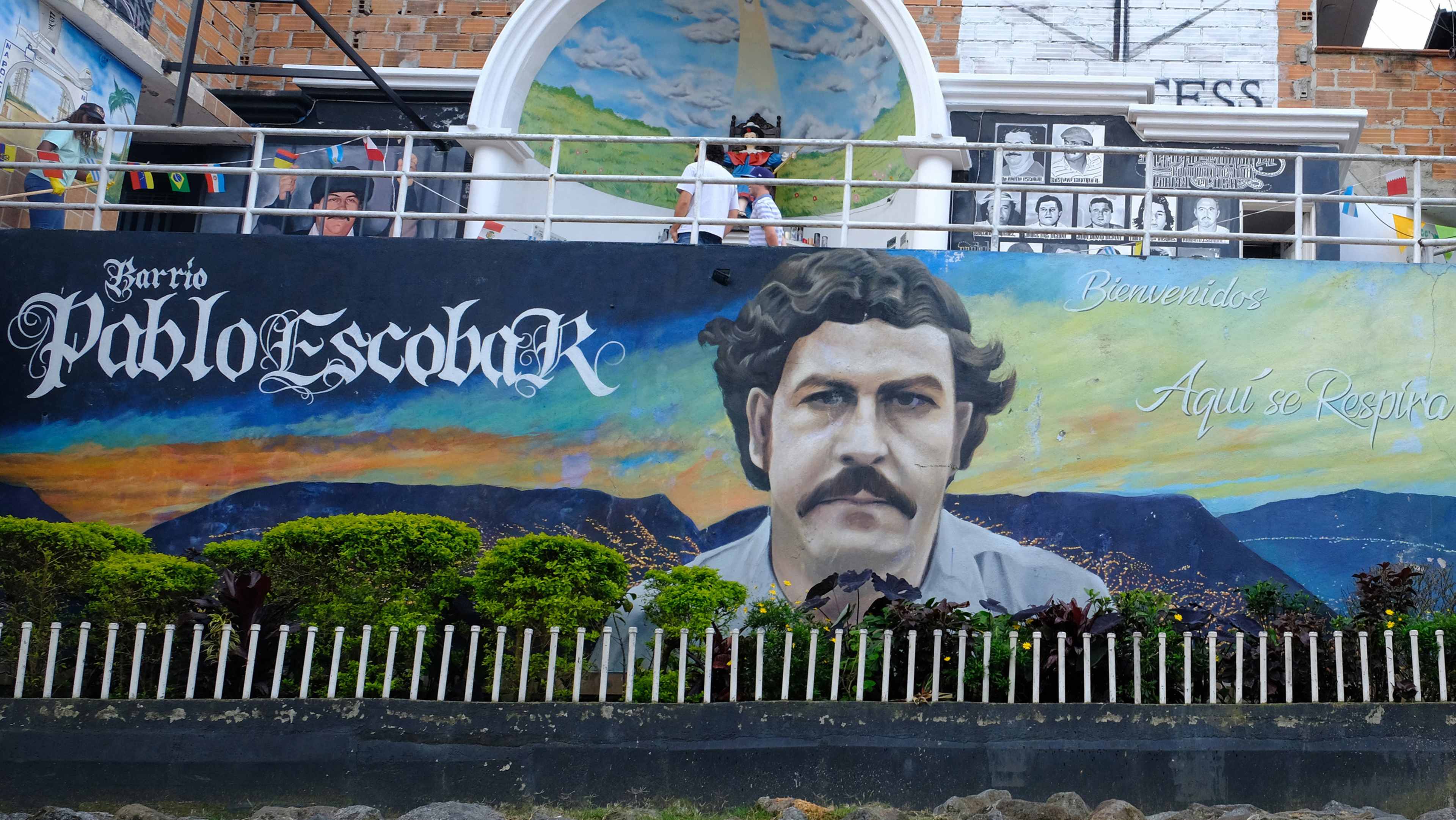
The training methods employed by Escobar were brutal and pragmatic. ‘La Negra’ revealed that recruits were not simply taught how to shoot; they were immersed in a culture of violence and impunity. The cartel’s operations were characterized by a cold, calculated approach to eliminating rivals and silencing anyone who posed a threat. The Medellín Cartel, founded in the 1970s by Pablo Escobar alongside figures like the Ochoa brothers, Gonzalo Rodríguez Gacha, and Carlos Lehder, quickly established international cocaine trafficking routes, supplying over 80% of the cocaine reaching the US by the early 1980s. Insight Crime provides a detailed history of the cartel’s rise to power.
Erasing the Evidence: A Chilling Ritual
Perhaps the most disturbing revelation from ‘La Negra’s’ testimony concerns the methods used by Escobar’s hitmen to eliminate evidence after a killing. She described a macabre ritual involving bathing in milk to remove gunpowder residue from their skin. “When the revolver is fired, the gunpowder remains… and the only thing that stops the action of the gunpowder is milk,” she explained. This detail underscores the meticulous and ruthless nature of the cartel’s operations, and the lengths to which its members went to avoid detection.
The cartel’s ability to operate with such impunity was facilitated by widespread corruption within Colombian institutions. Escobar and his associates bribed politicians, judges, and security forces to protect their operations and silence their critics. This corruption undermined the rule of law and created a climate of fear that allowed the cartel to flourish. The Oficina de Envigado, founded by Escobar, served as a debt collection agency within the cartel, operating from the town hall of Envigado, a municipality near Medellín. Insight Crime details the role of the Oficina de Envigado in maintaining the cartel’s control.
The Legacy of Violence and Fear
The Medellín Cartel’s reign of terror came to an finish with the death of Pablo Escobar in 1993. However, the legacy of violence and fear continues to haunt Colombia. The fragmentation of the cartel led to the emergence of new criminal organizations, and the country continues to grapple with the challenges of drug trafficking and organized crime. The cartel’s impact extended beyond Colombia, contributing to a surge in drug-related violence and addiction in the United States and other countries.
‘La Negra’s’ testimony provides a rare and unsettling insight into the inner workings of one of the world’s most notorious criminal organizations. Her revelations serve as a stark reminder of the human cost of the drug trade and the enduring consequences of violence and corruption. The stories of young men lured into a life of crime, and the chilling methods employed to maintain control, offer a sobering perspective on a dark chapter in Colombian history. The Medellín Cartel, with an estimated membership ranging from 70,000 to 100,000 individuals, left an indelible mark on Colombia and the global drug trade.
The Cartel’s Structure and Alliances
The Medellín Cartel wasn’t a monolithic entity but a coalition of various drug trafficking organizations. It maintained alliances with groups like the Guadalajara Cartel and, allegedly, with entities in Cuba and Panama under Manuel Noriega. However, it was also engaged in fierce rivalry with the Cali Cartel and groups like “Los Pepes,” formed to hunt down Escobar and his associates. This complex web of alliances and rivalries contributed to the escalating violence that characterized the period.

The Role of ‘Los Extraditables’
A key component of the Medellín Cartel’s strategy was the formation of “Los Extraditables,” a group dedicated to opposing extradition to the United States. Escobar and his associates feared prosecution in the US and actively fought against any attempts to send them abroad. This opposition led to a series of bombings, assassinations, and other acts of violence aimed at intimidating Colombian officials and disrupting the extradition process.
The revelations from ‘La Negra’ underscore the importance of understanding the complex dynamics of the Medellín Cartel and the lasting impact it had on Colombian society. As Colombia continues to confront the challenges of drug trafficking and organized crime, lessons from the past remain crucial for building a more peaceful and just future.
Authorities continue to investigate the remnants of Escobar’s network and pursue those involved in drug trafficking and related crimes. The Colombian government has implemented various strategies to combat drug production and trafficking, including eradication programs, law enforcement operations, and international cooperation. The fight against drug trafficking remains a significant challenge for Colombia, requiring a comprehensive and sustained effort.
Key Takeaways:
- Pablo Escobar’s hitmen were often recruited at a young age, sometimes as young as teenagers, from impoverished neighborhoods.
- The cartel employed brutal training methods and instilled a culture of violence and impunity among its recruits.
- Hitmen used a chilling ritual of bathing in milk to remove gunpowder residue after killings.
- Widespread corruption within Colombian institutions facilitated the cartel’s operations and allowed it to operate with impunity.
- The legacy of the Medellín Cartel continues to impact Colombia, with ongoing challenges related to drug trafficking and organized crime.
As investigations continue and more information comes to light, a clearer picture of the Medellín Cartel’s operations and its impact on Colombia will emerge. The ongoing efforts to combat drug trafficking and organized crime are essential for building a more secure and prosperous future for the country. Further updates on this story will be provided as they become available.
Do you have thoughts on this story? Share your comments below and let us know what you think. Don’t forget to share this article with your network to spread awareness about this important issue.
Keep reading
- La migliore pasta di New York? Dopo aver provato decine di ristoranti in città, questa è …
- Police shoot and wound armed suspect outside Far Rockaway house: source
- Alex Mariah Peter Reveals 30-Kilogram Weight Loss Transformation (archyworldys.com)
- Canine Pregnancy Diagnosis: X-Ray Reveals Fetus, 1-3 Days Post-Mating (world-today-news.com)