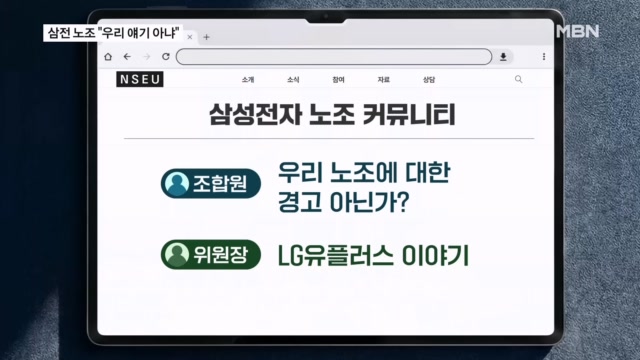
A high-profile clash between the South Korean presidency and labor unions has sparked a diplomatic and corporate firestorm, centering on accusations of “excessive demands” that allegedly harm the broader workforce. The tension escalated following remarks from the presidency that specifically targeted the labor practices of LG Uplus, leading to a fragmented response from some of the nation’s largest industrial unions, including those at Samsung Electronics.
The controversy stems from a presidential critique suggesting that certain labor unions are pursuing unrealistic goals, which in turn creates a negative ripple effect for other workers. While the administration’s comments were aimed at the telecommunications sector—specifically LG Uplus—the fallout has touched the tech giant Samsung Electronics, where union representatives have distanced themselves from the narrative, claiming the administration’s criticisms do not apply to their specific labor disputes.
This friction highlights a deepening divide in South Korea’s labor landscape, where the government is pushing for a “fair” labor market while unions fight for wage increases and better conditions amidst fluctuating economic stability. The incident has left LG Uplus in a precarious position, facing pressure from both the executive branch of government and its own internal labor force.
Presidential Critique and the LG Uplus Connection
The core of the conflict lies in a direct assertion by the presidency that certain unions are making demands that exceed reasonable bounds. According to reports, the administration pointed to the LG Uplus union as a primary example of labor activism that potentially jeopardizes the stability of other workers’ environments. The administration’s stance is that when a union pushes for extreme concessions, it can lead to corporate instability or a restrictive backlash that affects the wider employee base.
For LG Uplus, the public call-out by the presidency is an unprecedented level of government intervention in a private labor dispute. The company has found itself in the crossfire, as the presidency’s rhetoric suggests that the union’s strategies are counterproductive to the national interest. This has created a state of confusion and tension within the company, as management must navigate the directives of the state while managing an agitated workforce.
Industry analysts suggest that this move is part of a broader government strategy to curb the influence of powerful labor unions, which have historically played a significant role in South Korea’s socio-economic shifts. By naming a specific entity like LG Uplus, the government is signaling a low-tolerance policy toward labor demands it deems “excessive.”
Samsung Electronics Union Distances Itself
Despite the general nature of the administration’s critique of labor unions, the Samsung Electronics union has been quick to clarify that they are not the target of these remarks. In a series of responses, Samsung union representatives emphasized that their current negotiations and goals are distinct from the “excessive” patterns described by the presidency.
The Samsung union’s reaction is significant given the company’s role as the cornerstone of the South Korean economy. By stating that the presidency’s comments were not our story
, the Samsung labor representatives are attempting to insulate their ongoing negotiations from the political heat surrounding LG Uplus. This strategic distancing suggests a desire to keep labor talks focused on corporate performance and semiconductor industry trends rather than political ideology.
Yet, the tension remains. Samsung’s labor relations have been under scrutiny for years, and the union’s effort to separate itself from the LG Uplus narrative may be an attempt to maintain leverage during critical wage negotiations. The contrast between the “distanced” Samsung union and the “targeted” LG Uplus union illustrates how different labor organizations are navigating the current political climate in Seoul.
The Broader Impact on South Korean Labor Relations
The clash between the presidency and labor unions is not an isolated event but a symptom of a larger struggle over the “Korean Dream” of labor rights. For decades, South Korea has transitioned from a state-led industrialization model to a more democratic labor environment, but the tension between corporate profitability and worker welfare remains a central theme in national politics.
The government’s focus on “excessive demands” often refers to the push for significant wage hikes in sectors that are already high-paying, or the demand for job security in an era of rapid AI integration and automation. When the presidency intervenes in specific company disputes, it risks being seen as an infringement on the right to collective bargaining, a principle protected under South Korean law.
The impact of this rhetoric is twofold. First, it may embolden corporate managements to take a harder line during negotiations, citing the government’s disapproval of union tactics. Second, it may galvanize unions to form broader coalitions to protect their bargaining power against state interference. The “LG Uplus effect” could either lead to more cautious union behavior or a more aggressive pushback against government overreach.
Key Stakeholders and Their Positions
- The Presidency: Argues that unrealistic labor demands harm the overall economy and create unfair disparities between different classes of workers.
- LG Uplus Union: Finds itself targeted by the state, facing the challenge of continuing its advocacy while being labeled as “excessive” by the highest office in the land.
- Samsung Electronics Union: Seeks to maintain a professional, corporate-focused negotiation path, distancing itself from the political fray to protect its specific interests.
- Corporate Management: Caught between the need to maintain labor peace and the political pressure to align with the administration’s “fair labor” vision.
What Happens Next in the Labor Struggle?
As the dust settles from the initial presidential remarks, the focus shifts to the actual negotiation tables at LG Uplus and Samsung Electronics. The coming months will likely see a push for more transparent labor contracts and a possible increase in government monitoring of union activities.
Observers are watching for whether the LG Uplus union will issue a formal grievance or a legal challenge against the presidency’s public characterization of their demands. Such a move would escalate the conflict from a rhetorical battle to a legal one, potentially testing the limits of presidential speech regarding private labor disputes.
Meanwhile, Samsung’s ability to remain “neutral” in this political storm will depend on how its own internal negotiations progress. If the Samsung union fails to reach a deal, the administration may find reason to expand its critique of “excessive demands” to include the tech sector as well.
The next critical checkpoint will be the upcoming quarterly labor reviews and the scheduled collective bargaining sessions for the second half of the year. These meetings will determine if the presidency’s rhetoric has successfully chilled union demands or if it has merely provided a catalyst for further unrest.
World Today Journal encourages readers to share their thoughts on the balance between government intervention and labor rights in the comments section below.