
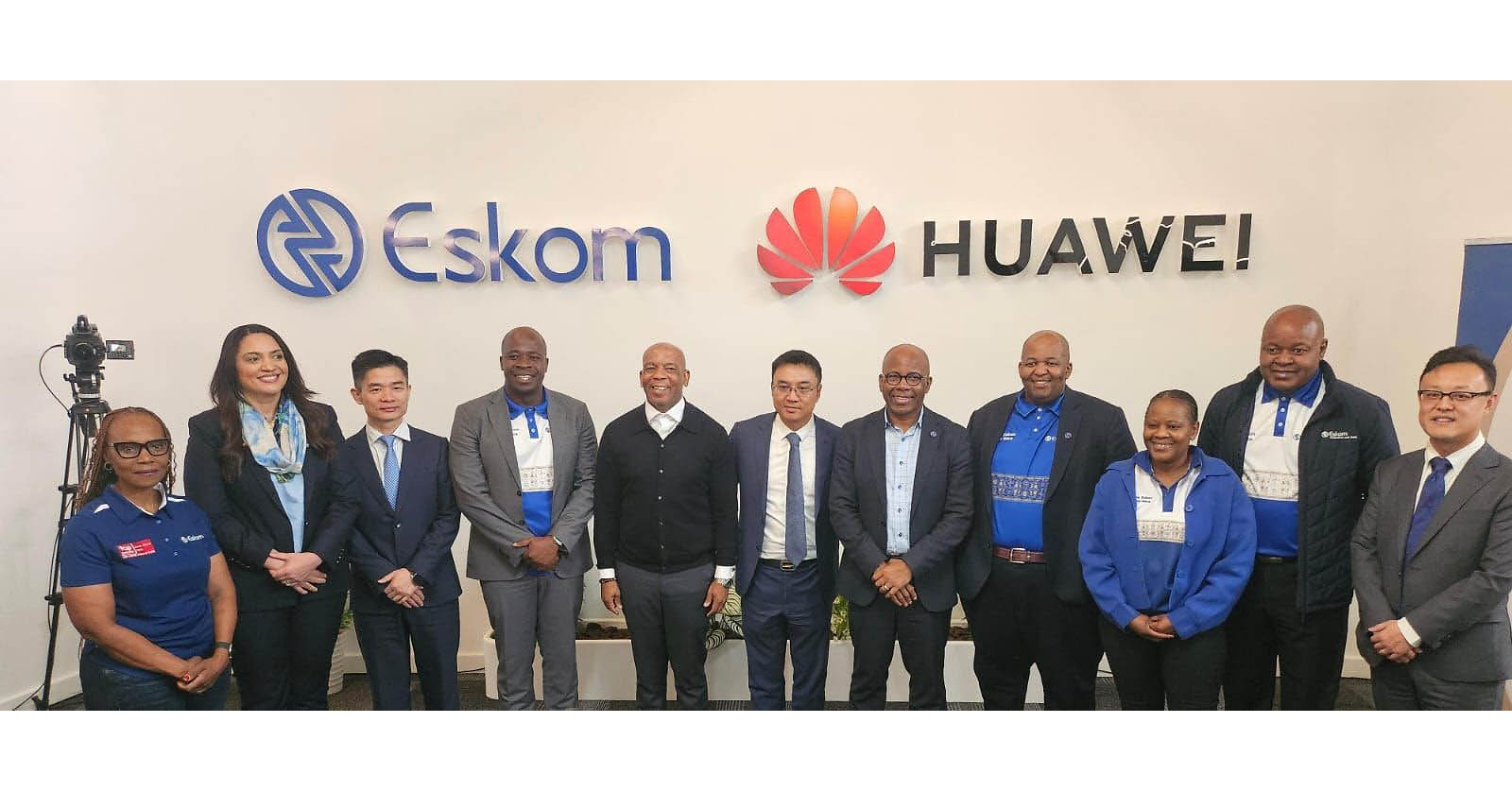
South African state-owned power utility Eskom has officially inaugurated a new modernization center in partnership with Huawei, marking a shift toward digitalizing the nation’s electricity infrastructure. The facility, located in Johannesburg, serves as a hub for testing and deploying advanced information and communication technology (ICT) solutions designed to improve grid stability, increase operational efficiency, and combat the ongoing challenges of electricity theft and infrastructure sabotage.
According to official statements from Eskom, the collaboration leverages Huawei’s global expertise in smart grid technology, data analytics, and telecommunications to help stabilize a power system that has faced over a decade of rolling blackouts. By integrating digital tools into its maintenance and monitoring workflows, the utility aims to reduce the frequency of unplanned outages and better manage the aging infrastructure that has struggled to meet South Africa’s energy demand.
Modernizing South Africa’s Power Grid Through Digitalization
The modernization center functions as a sandbox environment where engineers and technology specialists can simulate network failures and test connectivity solutions before rolling them out to the national grid. This technical approach is part of a broader South African government strategy to modernize state-owned enterprises through public-private partnerships. The partnership focuses on upgrading telecommunications infrastructure, which is essential for remote monitoring of substations and power lines across the country.

Huawei’s involvement includes providing specialized hardware and software platforms that allow Eskom to monitor grid performance in real-time. By utilizing high-speed connectivity and IoT (Internet of Things) devices, the utility can detect faults more rapidly than with traditional, manual inspection methods. This transition to digitized asset management is intended to provide a more resilient framework for the utility, which has been under intense public and political pressure to improve service delivery.
Addressing Operational Challenges and Grid Stability
One of the primary objectives of the new center is to mitigate the financial and technical impact of infrastructure vandalism and illegal connections. Eskom has reported significant losses due to criminal activity, which often leads to transformer failures and localized blackouts. Through the use of smart metering and automated surveillance systems developed in partnership with Huawei, the utility seeks to improve its ability to track energy consumption patterns and identify unauthorized access to the network.

The project aligns with the Department of Mineral Resources and Energy’s long-term Integrated Resource Plan, which emphasizes the necessity of technological upgrades to accommodate a more diversified energy mix. As South Africa incorporates more renewable energy sources like wind and solar, the grid requires sophisticated digital management to balance intermittent supply with variable demand. The modernization center provides the necessary platform to develop these balancing capabilities.
The Role of Strategic Partnerships in Energy Reform
This collaboration is not the first instance of cooperation between the two organizations, but it represents a more formal integration of technology into Eskom’s core operations. Huawei has maintained a presence in South Africa for over two decades, providing infrastructure for major telecommunications operators. By applying these capabilities to the energy sector, the company is facilitating a digital transformation that is increasingly common among global utility providers attempting to manage energy transitions.
For Eskom, the partnership is a critical component of its “Turnaround Plan,” which outlines steps to achieve financial sustainability and technical reliability. While the utility continues to grapple with high debt levels and legacy maintenance backlogs, the adoption of digital tools is viewed by industry analysts as a necessary step toward operational recovery. The center is expected to serve as a training ground for local engineers, fostering skills development in advanced digital infrastructure management.
What Happens Next for the Modernization Center
Following the inauguration, the next phase of the project involves scaling the tested solutions from the pilot environment to high-priority regions where grid instability is most acute. Eskom is expected to provide periodic updates on the performance metrics of these digital deployments in its annual reports and stakeholder briefings, which can be monitored via the utility’s official news portal.

As the rollout continues, the focus will remain on whether these technological interventions yield a measurable reduction in the duration and frequency of power interruptions for businesses and households. Stakeholders and industry observers are closely watching the project’s impact on grid efficiency, as it serves as a litmus test for the effectiveness of digital-first strategies in addressing the country’s energy crisis. Readers are encouraged to follow official channels for updates on these infrastructure developments and to share their feedback on how these changes affect local service reliability.