
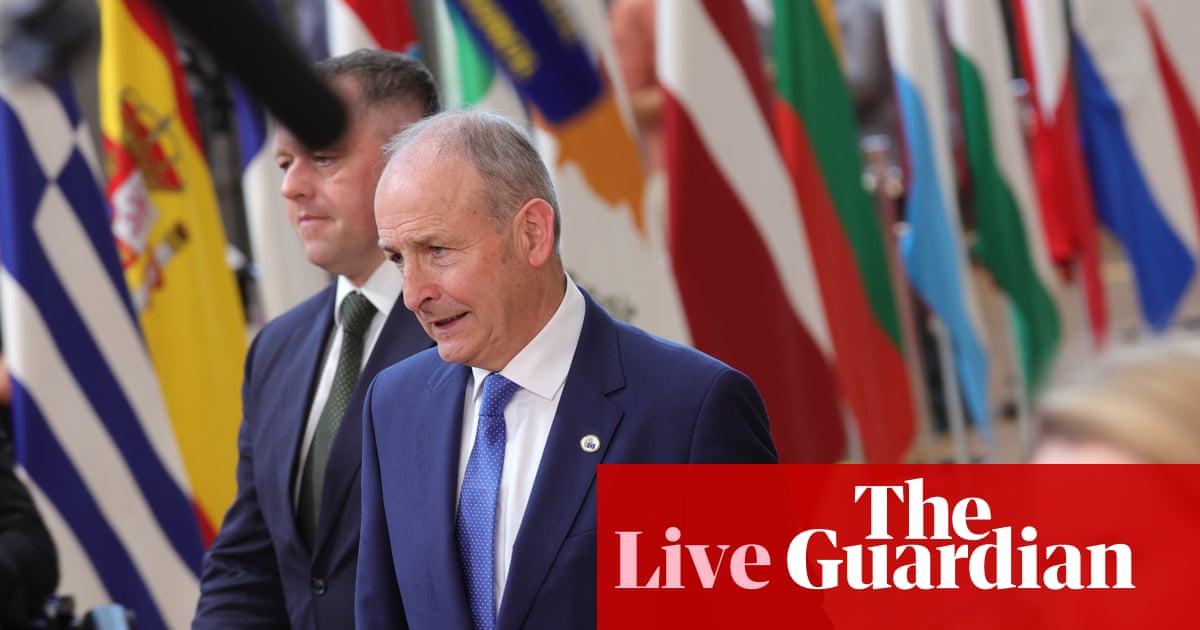
Ireland’s tasks at helm of bloc include helping navigate talks on fresh Russia sanctions, and Ukraine and Moldova accession. The presidency, which began with an opening ceremony in Dublin, places the Irish government at the center of negotiations regarding European security, the expansion of the union, and the implementation of ongoing economic sanctions against Russia.
As the holder of the presidency, Ireland is tasked with brokering consensus among the 27 member states on contentious policy issues. According to the Council of the European Union, the rotating presidency is responsible for driving the work of the Council, ensuring the continuity of the EU agenda, and representing the Council in relations with other EU institutions.
Strategic Priorities for the Irish Presidency
The Irish government faces a complex diplomatic workload, primarily centered on the ongoing conflict in Ukraine and its implications for European energy and defense policy. Key agenda items include the navigation of further sanctions packages against the Russian Federation and the management of accession talks for candidate countries, specifically Ukraine and Moldova.

These negotiations require balancing the interests of member states with varying levels of reliance on Russian energy and differing perspectives on rapid EU enlargement. The European Commission has outlined that the accession process is a rigorous, merit-based transition, and Ireland will act as the primary facilitator in moving these discussions forward within the Council chambers.
Geopolitical Context and NATO Coordination
The commencement of the Irish presidency coincides with broader security discussions occurring across Europe. Nato secretary general Mark Rutte is in Berlin today, where he is attending a cabinet meeting and meeting with Germany’s chancellor Friedrich Merz and defence minister Boris Pistorius. The trio have a press conference scheduled in about an hour from now.
While Ireland maintains a policy of military neutrality and is not a member of NATO, its role as EU presidency holder requires close cooperation with international security partners. The coordination between EU policy and NATO defense initiatives remains a central theme for the bloc’s leadership during this term.
The Mechanics of the Rotating Presidency
The rotating presidency functions on a tri-presidency system, where three consecutive presidencies work together on a long-term program. This structure ensures that the EU maintains a consistent strategic direction despite the change in leadership every six months.

For observers tracking the progress of these legislative efforts, the Council of the European Union publishes regular updates and meeting agendas via its official press portal. These documents provide the most accurate account of the status of proposed sanctions and accession benchmarks.
Next Steps in the Legislative Calendar
The immediate focus for the Irish presidency will be the upcoming series of ministerial meetings in Brussels and Luxembourg. These sessions serve as the primary venues for settling the technical details of the mandates negotiated during the Dublin sessions. The next major checkpoint for these discussions will be the upcoming Council meeting, where member states are expected to review the progress of the current sanction implementation reports.
Updates regarding these negotiations are provided periodically by the Council’s secretariat. Readers are encouraged to monitor these official channels for the most current information regarding policy shifts as the Irish term progresses. We invite readers to share their perspectives on the priorities of the Irish presidency in the comments section below.