ESPN has initiated discussions with College Football Playoff leaders regarding a radical structural shift that would expand the postseason bracket to 20 teams—utilizing a 16-team core bracket paired with four preliminary play-in games, according to reports by Ross Dellenger of Yahoo Sports. The proposal, which comes as stakeholders evaluate the future of the sport beyond the current 12-team format, highlights ongoing strategic friction between major athletic conferences and media partners regarding broadcast rights, revenue sharing, and calendar congestion.
The 2026–27 college football season marks the third year of the initial 12-team playoff format, following the transition away from the Bowl Championship Series and the subsequent four-team era that began in the 2014–15 season, as detailed by SI.com. While the 12-team model has drawn positive initial reception, athletic directors, university presidents, and conference commissioners are already locked in debates over subsequent iterations. The Southeastern Conference has strongly advocated for a 16-team model, whereas the Big Ten Conference has pushed for a 24-team field, creating a high-stakes standoff between college sports’ two most powerful leagues.
To bridge the gap between the SEC’s preference and the Big Ten’s ambitions, ESPN—which holds exclusive broadcast rights for the ACC, SEC, and the current playoff framework—has socialized a compromise format featuring 20 total teams. Under this reported structure, the field would incorporate four play-in games to determine the final four slots for seeds 13 through 16, feeding into a traditional 16-team bracket.
How the 20-Team Bracket Structure Would Function
Under the framework discussed by playoff leadership, the tournament structure would expand significantly to accommodate four full rounds of competitive play following the initial play-in round. According to SI.com’s reporting on the mechanics of expanded models, maintaining the calendar without overriding player safety and academic windows would likely require eliminating traditional conference championship games.
The qualification rules under a potential 20-team setup would build upon existing frameworks established for the 12-team era. For instance, the system would account for automatic bids for Power Four conference champions alongside top-ranked Group of Five programs. In a hypothetical application modeled on the 2025 regular season by SI.com, top-tier programs like Indiana finished as the No. 1 seed, while chaotic conference championship outcomes—such as a five-loss Duke squad winning the ACC—demonstrated how wide-reaching the selection pool can become under multi-bid parameters.
The four play-in matchups would specifically dictate entry for the bottom-tier at-large participants occupying seeds 13 through 16. Winners of those opening contests would advance to face the top-seeded powerhouses who earned direct entry into the primary 16-team bracket.
Conference Alignment and Broadcast Implications
Despite ESPN introducing the proposal during stakeholder meetings, the format currently lacks necessary support from the Big Ten, according to Yahoo Sports reporting cited by SI.com. Because the Big Ten and SEC maintain joint leverage over future postseason design, neither conference can unilaterally impose a new model without mutual agreement. If a compromise fails to materialize, the existing 12-team format will remain protected through its contractual lifespan.
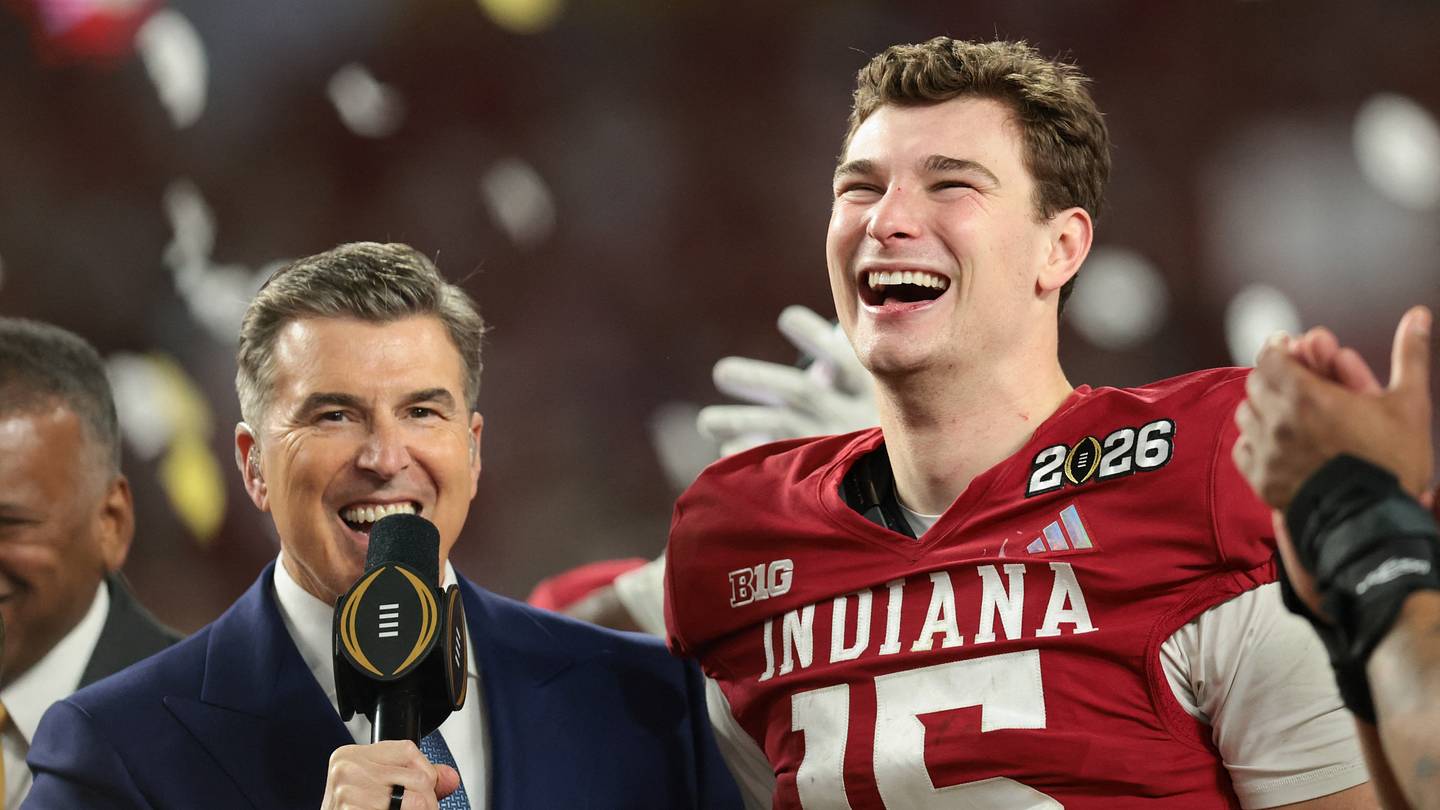
The financial and broadcast stakes surrounding expansion are substantial. ESPN retains exclusive broadcast rights for the playoff as long as the field remains at 14 or fewer teams. An expansion beyond that threshold would force the CFP to open competitive bidding to external networks, with industry expectations pointing toward Fox Sports and other major broadcasters entering the bidding pool for broadcast inventory. Although ESPN has previously sub-contracted select playoff games that competed directly with the NFL to Turner Sports, expanding to a 20-team model would fundamentally alter the media rights landscape for college athletics.
Discussions regarding future postseason structures remain ongoing among conference commissioners, athletic directors, and institutional stakeholders. No official vote or formal adoption of a 20-team format has been scheduled as conferences continue to weigh the calendar demands, revenue implications, and competitive fairness of a larger bracket. Further updates are expected as leadership groups reconvene for upcoming collegiate athletics governance meetings.
Keep reading