
In the competitive landscape of Italian retail, the lines between grocery shopping and fine dining are increasingly blurring. Esselunga, one of Italy’s most prominent supermarket chains, has made a strategic shift by integrating restaurant services directly into its urban retail footprint. The opening of its first dedicated bistrot concept in Milan, located in Piazza Risorgimento, represents a significant evolution in the company’s business model, moving beyond traditional food distribution to capture the growing “retail-tainment” market segment.
For a company historically defined by its efficient, high-volume grocery operations, this move into the foodservice sector is a calculated effort to increase dwell time and customer loyalty. By offering a curated menu that balances traditional Milanese cuisine with modern dining expectations, Esselunga is attempting to position its stores as community hubs rather than mere transactional spaces. This strategy mirrors broader global trends where retailers leverage their supply chain expertise to offer high-quality, prepared meals at competitive price points.
As the business sector watches this pilot project closely, the question remains whether a supermarket-driven restaurant can maintain the culinary standards required to compete in a city as gastronomically discerning as Milan. The integration of Esselunga’s first restaurant in Milan serves as a case study in brand diversification and operational scalability within the European grocery market.
The Strategic Pivot to Retail-Dining
The decision to launch a bistrot within the LaEsse store format is not an isolated experiment but part of a larger, long-term strategy to modernize the brand’s physical presence. Esselunga, which maintains a significant market share in Northern Italy, has been refining its store formats to better serve dense urban environments where consumers prioritize convenience and high-quality “ready-to-eat” options. According to recent financial reporting, the company continues to invest heavily in its infrastructure, with consistent capital expenditure allocated toward expanding its retail footprint and enhancing customer experience initiatives (Esselunga Corporate History).

This expansion into the restaurant space allows the company to vertically integrate its supply chain. By utilizing the same high-quality ingredients found on its supermarket shelves, the bistrot can maintain a consistent quality control standard while keeping operational costs lower than independent stand-alone restaurants. This “farm-to-shelf-to-table” approach is a powerful tool in the current economic climate, where consumers are increasingly sensitive to both price and ingredient transparency.
Menu Philosophy and Culinary Execution
The menu at the Piazza Risorgimento location focuses on regional staples, acknowledging the culinary heritage of Lombardy. Signature dishes such as the classic cotoletta alla milanese and mondeghili—traditional meatballs—are central to the offering. These choices are strategic; they leverage local brand equity and appeal to a demographic that values traditional Italian cooking executed with professional consistency.

From an operational standpoint, the restaurant benefits from the proximity to the supermarket’s fresh food departments. This ensures that the ingredients are sourced daily, a logistical advantage that many traditional restaurants struggle to replicate without significant overhead. The bistrot model functions as an extension of the brand’s reputation for quality, essentially acting as a living advertisement for the products available in the aisles just steps away.
Market Impact and Consumer Reception
Early feedback suggests that the hybrid model is resonating with the neighborhood demographic. By providing a bridge between the speed of a supermarket and the comfort of a restaurant, Esselunga is targeting the “lunch break” professional and the time-poor urban dweller. However, the move also brings new challenges. Operating a restaurant requires a different management skillset than managing a retail floor, particularly regarding labor, service standards, and the nuances of hospitality management.

Industry analysts have noted that if this pilot is successful, it could signal a broader trend for the brand. Esselunga has historically been conservative in its expansion, preferring to perfect its formats before scaling them nationally. As of the latest fiscal disclosures, the company has not announced a definitive timeline for rolling out similar bistrot concepts across other major Italian cities, choosing instead to focus on optimizing the existing Milanese locations (Il Sole 24 Ore Market Analysis).
Key Takeaways for Investors and Consumers
- Operational Synergy: The bistrot leverages the existing supply chain to ensure ingredient freshness and competitive pricing.
- Market Positioning: The focus on traditional Milanese recipes like mondeghili strengthens the brand’s local identity.
- Strategic Expansion: The current model is a pilot project; future scalability depends on the profitability and operational efficiency of the Piazza Risorgimento site.
- Consumer Value: The format caters to urban professionals seeking high-quality dining within a retail environment, potentially increasing total customer spend per visit.
Looking Ahead
The integration of dining services into the retail sector is a testament to the evolving nature of the grocery business. As Esselunga continues to monitor the performance of its first Milanese restaurant, the primary metrics for success will likely be the impact on total store foot traffic and the conversion rate of restaurant patrons into grocery shoppers. For now, the company remains focused on operational refinement in its home market.
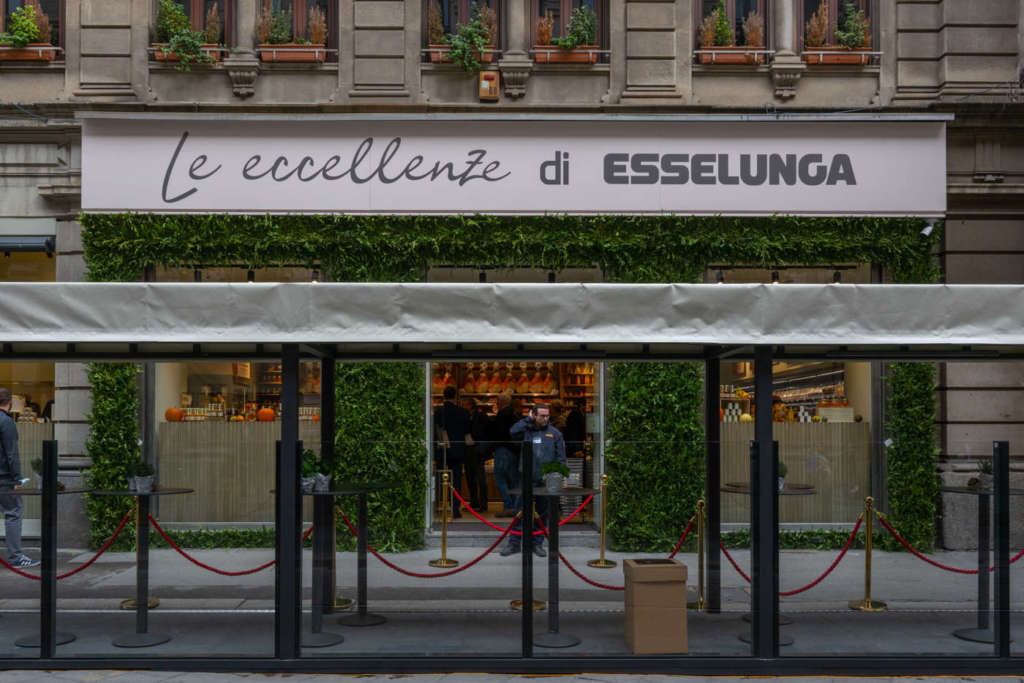
The next official update regarding the company’s retail expansion strategy is expected during the upcoming annual general meeting, where shareholders will likely review the performance data of the new format. We will continue to track these developments as they emerge. Have you visited the new location in Piazza Risorgimento? Share your thoughts in the comments below, or join the conversation on our social channels.
Related reading