As the conflict in Ukraine enters a grueling phase of attrition, global security analysts are increasingly focused on a singular, unsettling question: Is the Kremlin preparing to shift its strategy from a contained regional war to a broader, more aggressive posture? For those of us monitoring the situation from London and across European capitals, the concern is no longer just about the stalemate on the front lines, but about how domestic political pressures inside Russia might force Vladimir Putin to escalate his war efforts in unpredictable ways.
The current landscape suggests a multifaceted crisis. On the ground, the conflict has largely settled into a grinding war of positions, with neither side achieving a decisive breakthrough. Yet, the strategic calculus in Moscow appears to be evolving. With domestic discontent simmering—compounded by the economic strains of prolonged mobilization and international sanctions—the Russian leadership faces a narrowing window to secure a narrative of victory. This has led to widespread speculation among NATO members and intelligence agencies regarding the possibility of hybrid warfare tactics spilling over into neighboring states.
To understand the current trajectory, one must look at the official rhetoric emerging from the Kremlin. Recent reports have highlighted an uptick in aggressive posturing, including warnings of potential strikes on critical infrastructure and a sharpening of the language used toward NATO-aligned nations. According to the North Atlantic Treaty Organization, the alliance remains vigilant, maintaining that any expansion of the conflict beyond Ukrainian borders would trigger a fundamental shift in the security architecture of the entire European continent.
The Domestic Pressure Cooker
A critical component of this escalation narrative is the internal stability of the Russian Federation. While Western observers often focus on the battlefield, the socio-political climate within Russia is equally vital. Recent analysis indicates that the Kremlin is managing a delicate balance between maintaining public support for the “Special Military Operation” and mitigating the impact of war-related economic shifts. The International Monetary Fund has noted that while Russia’s economy has shown unexpected resilience through a pivot to a war-footing, the long-term sustainability of this model remains a subject of intense debate among economists.
The reliance on a wartime economy necessitates a constant state of mobilization—both literal and ideological. As the conflict drags on, the requirement for new recruits and the diversion of resources toward the defense industry place a mounting strain on the civilian population. This, in turn, creates a “desperation dynamic.” If the state cannot deliver a tangible victory in the short term, the pressure to “escalate to de-escalate”—a long-theorized Russian military doctrine—becomes a more attractive, albeit highly dangerous, policy option for leadership.
Strategic Risks and Regional Stability
The fear in European capitals is that a cornered Kremlin might seek to break the stalemate by expanding the theater of operations. This does not necessarily imply a full-scale conventional invasion of a NATO member state, but rather an increase in hybrid threats: cyberattacks, sabotage, and the weaponization of migration flows. The European Council has repeatedly emphasized the need for increased cooperation among member states to bolster their collective defense and resilience against such non-kinetic forms of aggression.
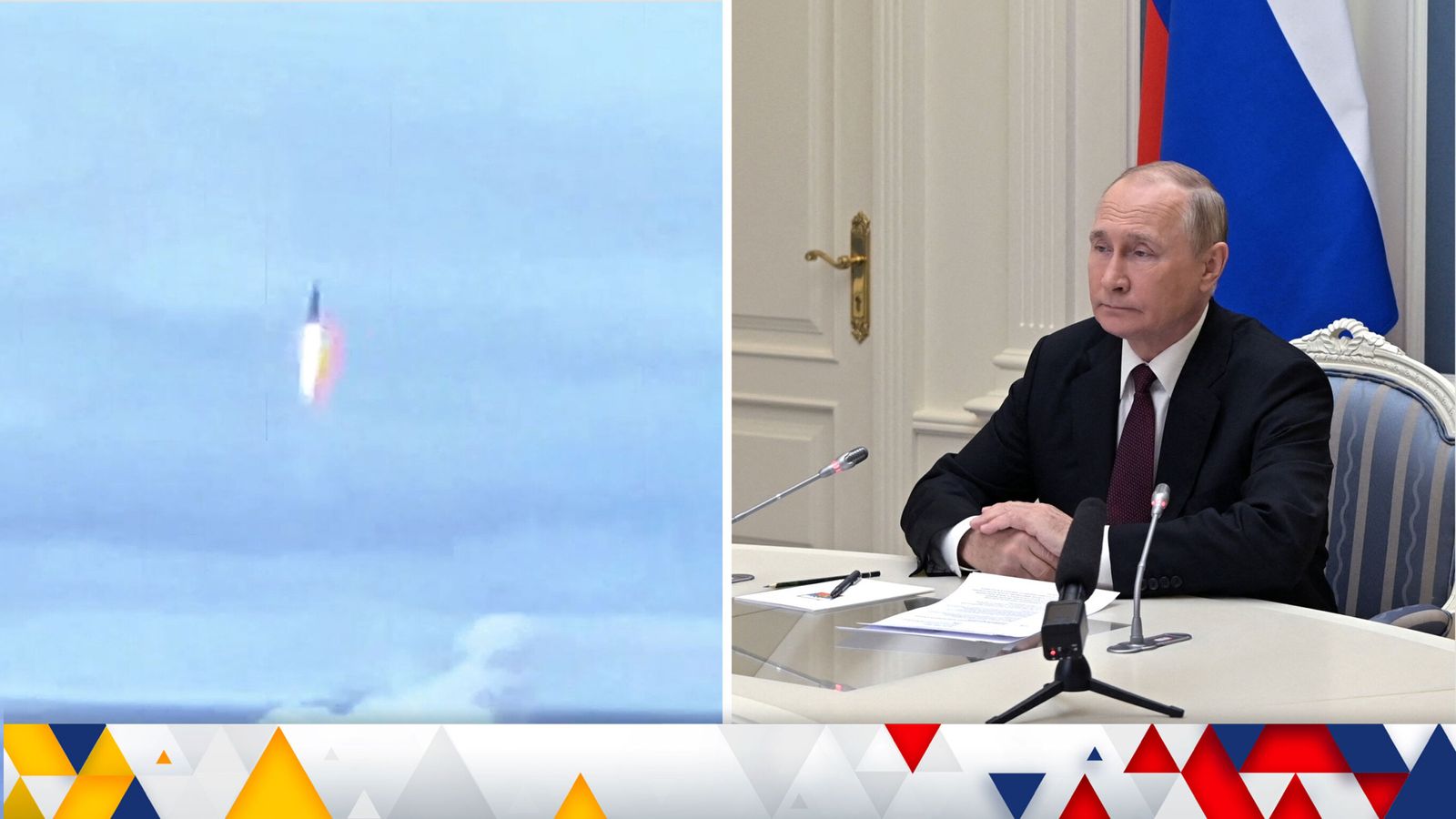
the ambiguity surrounding Russia’s long-term objectives serves as a tool of psychological warfare. By keeping the prospect of wider escalation on the table, Moscow hopes to fracture the unity of Western coalitions, forcing individual nations to weigh the risks of continued military and financial aid to Kyiv against the potential for direct retaliation. This strategy of “calculated unpredictability” is a hallmark of current Russian foreign policy, designed to make Western policymakers hesitant to cross perceived “red lines.”
Key Takeaways on the Current Conflict
- Stalemate Dynamics: The front lines remain largely static, leading to a prolonged war of attrition that favors neither side decisively.
- Domestic Strain: The Russian economy is increasingly oriented toward defense, creating long-term structural risks for the domestic population.
- Hybrid Threat Landscape: Security experts warn that the risk of escalation may manifest through cyber warfare and political interference rather than direct military confrontation with NATO.
- Western Coordination: Unity among Western allies remains the primary deterrent against further regional destabilization.
Looking Ahead: What Comes Next?
As we look toward the remainder of the year, the primary checkpoint for international observers will be the upcoming diplomatic summits and the ongoing assessment of military aid packages to Ukraine. The U.S. Department of State continues to coordinate with international partners to ensure that Ukraine maintains the necessary defensive capabilities to withstand current and future offensives. The effectiveness of these efforts will play a decisive role in determining whether the stalemate continues or if the conflict enters a new, more volatile phase.
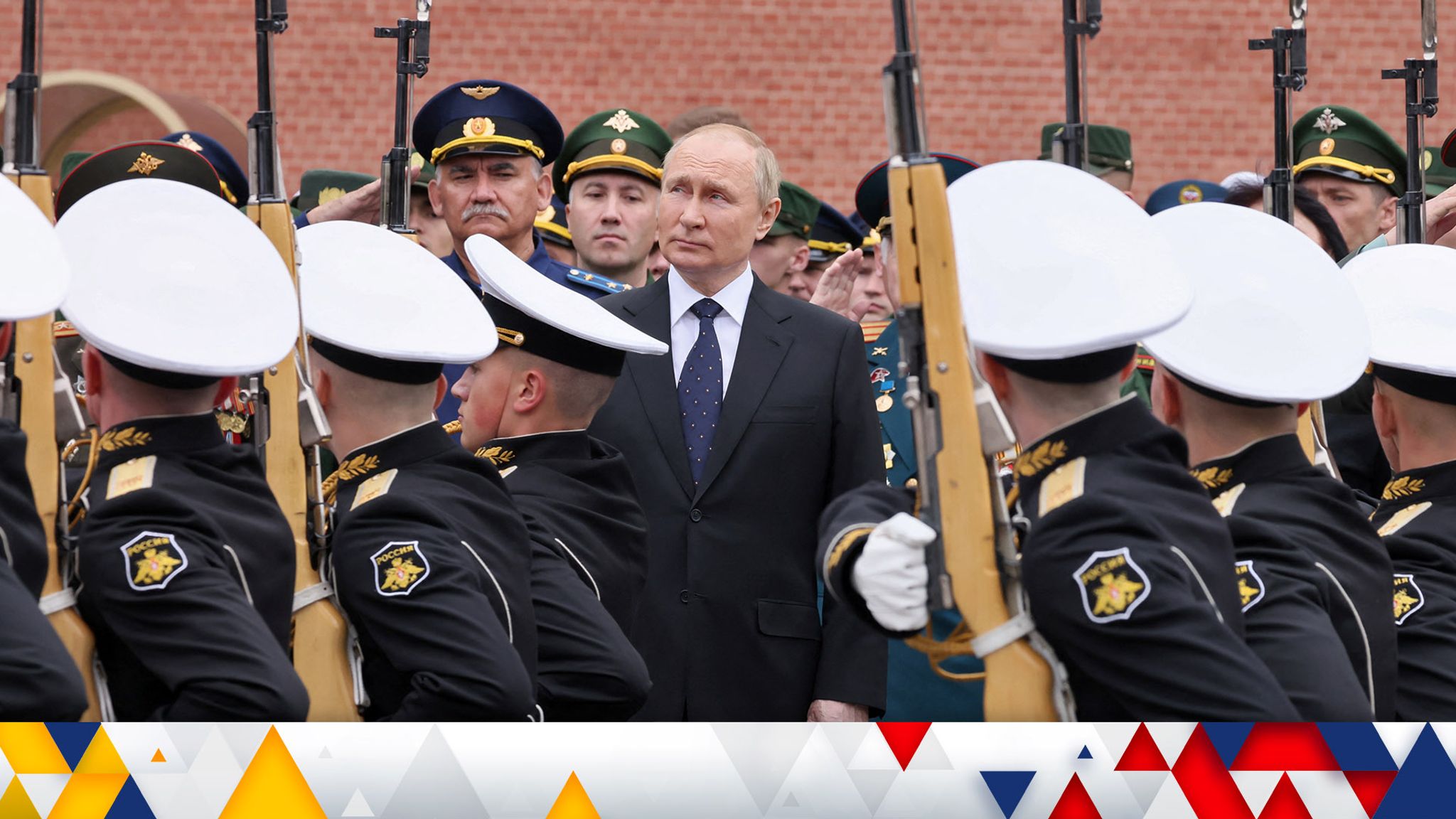
For the average citizen, the situation remains fluid. The best path forward for the international community is to remain informed through verified, official channels regarding security updates and geopolitical developments. As this story continues to evolve, the focus must remain on the preservation of international law and the mitigation of the humanitarian impact of this ongoing tragedy.
What are your thoughts on the shifting dynamics in Eastern Europe? Join the conversation below and share your perspective on how the international community should respond to these evolving security challenges.
Worth a look