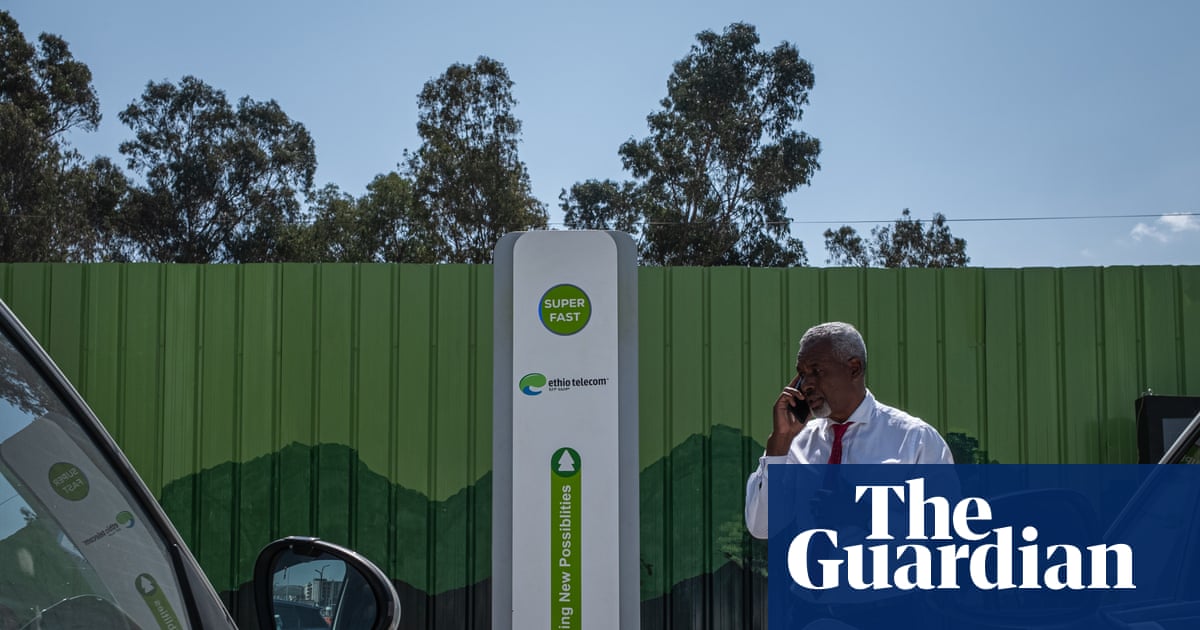
Ethiopia’s Electric Vehicle Revolution: Promise and Peril on the Road to a Greener Future
Ethiopia is embarking on an ambitious journey to electrify its transportation sector, driven by a desire for cleaner air and reduced reliance on fossil fuels. However, the road to a fully electric future is paved with challenges, from infrastructure limitations to consumer concerns. Let’s delve into the current state of ethiopia’s EV revolution, exploring both its exciting potential and the hurdles that must be overcome.
A bold Policy Shift
Recently, Ethiopia implemented a groundbreaking policy aimed at accelerating the adoption of electric vehicles. This initiative includes significant tax breaks and incentives, making EVs considerably more affordable than their gasoline-powered counterparts. The goal is clear: to rapidly transition to a lasting transportation system and position Ethiopia as a leader in green technology within Africa.
Early Adopters and Growing Enthusiasm
You’re starting to see a growing number of Ethiopians embracing electric vehicles,particularly in the capital city,Addis ababa. Many are drawn to the lower running costs and the environmental benefits. Lema Wakgari, a coffee export manager, expresses his satisfaction with his BYD electric car, highlighting the positive experience for early adopters.
though, the current infrastructure presents a significant limitation. Wakgari points out a critical issue: the limited availability of charging stations restricts longer journeys. He notes the inability to confidently drive to popular destinations like Hawassa, a 177-mile drive south of Addis Ababa, due to the risk of running out of charge.
Infrastructure: The Biggest Obstacle
This concern underscores the most pressing challenge facing Ethiopia’s EV revolution: the lack of adequate charging infrastructure. Currently, charging stations are concentrated in Addis Ababa, leaving vast areas of the contry underserved.
* Limited Range: Most EVs available in Ethiopia offer a range of around 420km (260 miles).
* Sparse Network: The current charging network is insufficient to support widespread EV adoption beyond urban centers.
* Power Grid Concerns: Ethiopia’s power grid, while improving, still experiences outages, raising concerns about reliable charging.
Addressing these infrastructure gaps is paramount. Building a robust and reliable charging network is a “must,” as Wakgari emphasizes, to unlock the full potential of electric vehicles.
Beyond Cars: The Challenge of Commercial Fleets
The electrification effort isn’t limited to passenger vehicles. A crucial aspect involves transitioning the country’s commercial fleets, particularly the heavy lorries responsible for transporting a large portion of Ethiopia’s imports from Djibouti.Currently, there are no plans to introduce electric versions of these vital vehicles.
This poses a potential risk. As the existing fleet ages and requires replacement, the economy could feel the impact of continued reliance on fossil fuels. A proactive approach to electrifying commercial transport is essential for long-term sustainability.
Addressing Consumer Concerns
Beyond infrastructure, addressing consumer anxieties is vital.Many potential EV buyers are hesitant due to concerns about battery durability and resale value. A leading ride-hailing executive initially shared these doubts, questioning the long-term viability of EV batteries.
However,personal experience has shifted his perspective. After purchasing an EV himself, he’s become cautiously optimistic, hoping that the country’s charging infrastructure will expand to meet growing demand. This shift in mindset highlights the power of firsthand experience in overcoming skepticism.
A Cautiously Optimistic Outlook
Despite the challenges, there’s a growing sense of optimism surrounding Ethiopia’s EV revolution.The government’s commitment,coupled with increasing consumer interest,creates a favorable surroundings for growth.
While the initial policy introduction was met with some skepticism due to power infrastructure concerns and limited charging options,the tide is turning. Ethiopia has the potential to become a shining example of sustainable transportation in Africa,but realizing this vision requires sustained investment,strategic planning,and a collaborative effort between the government,private sector,and citizens.
Looking Ahead
Ethiopia’s journey towards an electric future is just beginning. success hinges on overcoming infrastructure limitations,
Related reading