
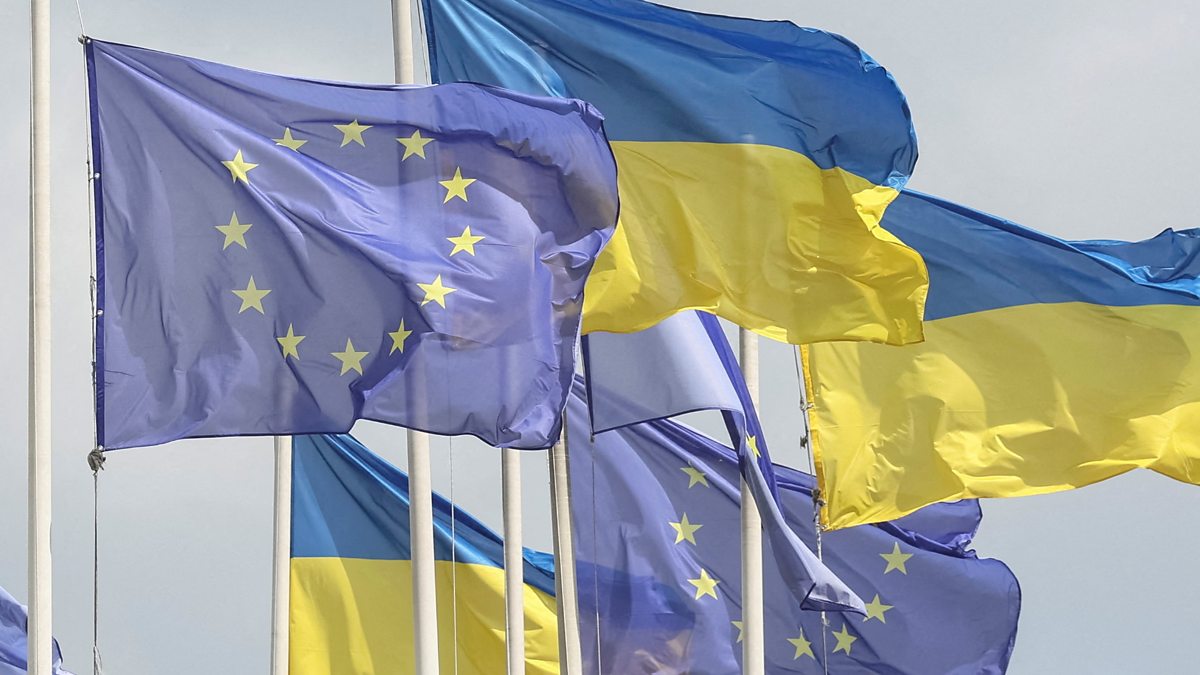
European Union ambassadors have approved the disbursement of a promised €90 billion loan to Ukraine, marking a significant breakthrough after months of delay caused by Hungary’s veto. The agreement, reached on Wednesday, April 22, 2026, follows Hungary’s decision to lift its objection after Ukraine resumed pumping Russian oil through the Druzhba pipeline to Hungary and Slovakia. The loan, equivalent to approximately $100 billion, is intended to support Ukraine’s financial stability through 2026 and 2027.
The development comes just days after Viktor Orbán’s defeat in Hungary’s April 12 parliamentary election by centre-right challenger Péter Magyar. Orbán, who had blocked the loan since March over accusations that Ukraine deliberately delayed repairs to the Druzhba pipeline, was succeeded by a government more willing to engage with EU partners. Kyiv has maintained that the pipeline’s damage resulted from Russian drone strikes and that repairs are underway as quickly as possible.
Cyprus, which holds the EU’s rotating presidency, confirmed that member states’ ambassadors had agreed to launch “written procedures” for final approval of both the loan and a fresh package of sanctions against Russia. Formal sign-off on both measures is expected by Thursday afternoon, April 23, 2026. The EU had initially agreed on the loan in December 2025, but Hungary’s veto prevented disbursement until the recent breakthrough.
The loan is part of broader EU efforts to sustain Ukraine’s economy amid the ongoing war with Russia. According to verified reports, the funds will help Kyiv meet essential budgetary needs, including public sector wages and social payments, while reducing reliance on emergency financing. The accompanying sanctions package targets additional Russian entities and individuals in response to the full-scale invasion that began in February 2022.
European Commission President Ursula von der Leyen has previously presented the loan as critical for Ukraine’s liquidity through 2026 and 2027. With the veto lifted, the 27 member states are now expected to complete the final approval process swiftly. The resumption of oil flows through the Druzhba pipeline, which has a capacity of 1.2 to 1.4 million barrels per day, was cited by Hungarian officials as a key condition for lifting their objection.
Ukrainian President Volodymyr Zelenskyy welcomed the agreement, describing it as “the right signal under the current circumstances.” His office emphasized that the loan represents tangible support from European partners during a critical phase of the conflict. The decision also clears the way for the EU to adopt new sanctions measures that had been delayed alongside the loan dispute.
The Druzhba pipeline, a major artery for Russian oil exports to Central Europe, became a focal point of geopolitical tension after Orbán accused Ukraine of sabotaging its transit function. Technical assessments confirm the pipeline suffered damage from Russian attacks, though repair timelines have been contested. Ukraine’s decision to resume pumping oil toward Hungary and Slovakia followed intensive diplomatic engagement and verification of repair progress.
As EU member states prepare for formal sign-off, financial officials note that the loan will be disbursed in tranches tied to Ukraine’s compliance with agreed economic reforms. Monitoring mechanisms will be overseen by the European Commission in coordination with the International Monetary Fund and World Bank. The exact disbursement schedule remains subject to final technical agreements between Kyiv and Brussels-based institutions.
This development underscores the evolving dynamics within the EU regarding Ukraine support, particularly following electoral changes in member states that had previously obstructed consensus. With Hungary’s veto lifted, the path appears clearer for sustained financial and sanctions-related cooperation among the 27 nations as they approach the fourth anniversary of Russia’s full-scale invasion.
For ongoing updates on EU financial support to Ukraine and related sanctions developments, readers can consult official announcements from the European Commission’s website and the Council of the European Union.
Share your thoughts on this development in the comments below, and help spread awareness by sharing this article with your network.