Navigating the New EU Entry/Exit System (EES): What Travelers Need to Know
The European Union is rolling out a significant change to border control: the Entry/exit System (EES). Designed to streamline travel for legitimate visitors while bolstering security, this new system will impact anyone traveling to most European countries. As a frequent traveler myself, I understand the questions and concerns this creates. Let’s break down everything you need to know to prepare for a smooth transition.
What is the EES and Why is it Happening?
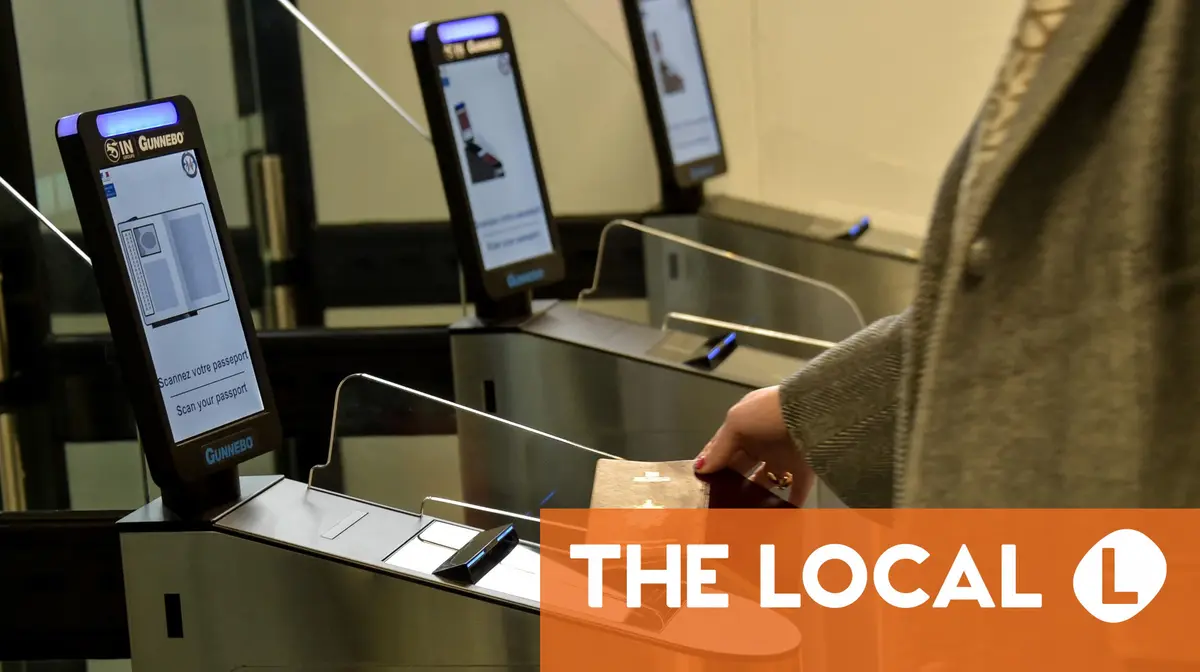
The EES is an automated IT system that registers travelers from non-EU countries each time they cross an EU external border. It’s intended to speed up border checks and, crucially, enhance security by identifying individuals who may have overstayed their permitted time or pose a risk. Think of it as a digital upgrade to conventional passport stamping.
What Data Will Be Collected About You?
When you enter the EU, the EES will record the following:
* Your name and type of travel document.
* Your entry and exit dates and times.
* Your fingerprints.
* A facial image.
* Any refusals of entry.
How long Will My Data Be Stored?
Generally, your data will be retained for three years. Though, if you overstay your allowed time, your data could be kept for up to five years. Importantly, data is automatically deleted once the legal storage period expires, ensuring privacy is maintained.
Who Will Have Access to your Information?
Access to your EES data is carefully controlled.
* Border guards and immigration authorities will use the system to verify your identity and confirm your right to enter.
* Law enforcement agencies in Schengen countries and Europol may access data under strict conditions, primarily for counter-terrorism or serious crime investigations.
* Airlines and transport companies will not have access to your personal information.
How is Your Data Protected?
The EU takes data protection seriously.The EES adheres to strict EU data protection laws and is overseen by both national data protection authorities and the European Data Protection Supervisor.
Here’s how your privacy is safeguarded:
* Data is stored in a secure central database managed by the EU Agency eu-LISA.
* The system is built with “data protection by design and by default,” meaning access is limited to authorized personnel for specific purposes.
* You have the right to access your EES record, request corrections, and even request deletion of unlawfully processed data. you can lodge complaints with national data protection authorities or the European Data Protection Supervisor.
What Can You Expect at the Airport?
During the initial rollout, expect potential delays. Many airports are implementing dedicated EES lanes to manage queues.Once you’re registered, subsequent crossings should be substantially faster, as your biometric data will already be in the system.
Currently, Rome Fiumicino and Milan Malpensa are slated to activate EES on October 12th, becoming the first Italian entry points to utilize the new system.
Crucial Reminders for Travelers:
* Track Your Stays: You’ll need to monitor the length of your visits to ensure you don’t exceed the 90-day limit within any 180-day period.
* Be Prepared for Initial Delays: the transition period may involve longer wait times at border control.
* Stay Informed: Keep up-to-date with the latest information from official sources (links below).
The EES represents a significant shift in how travelers enter the EU. While it may require some adjustment, the system is designed to ultimately improve both security and the travel experience. By understanding the details and preparing accordingly, you can navigate the new process with confidence.
Resources for Further information:
* Travel to Italy: Your questions answered about EES and ETIAS
* [EES: Two major Italian airports reveal start date for new passport checks](https://www.thelocal.it
Worth a look